BioStacks
Best for
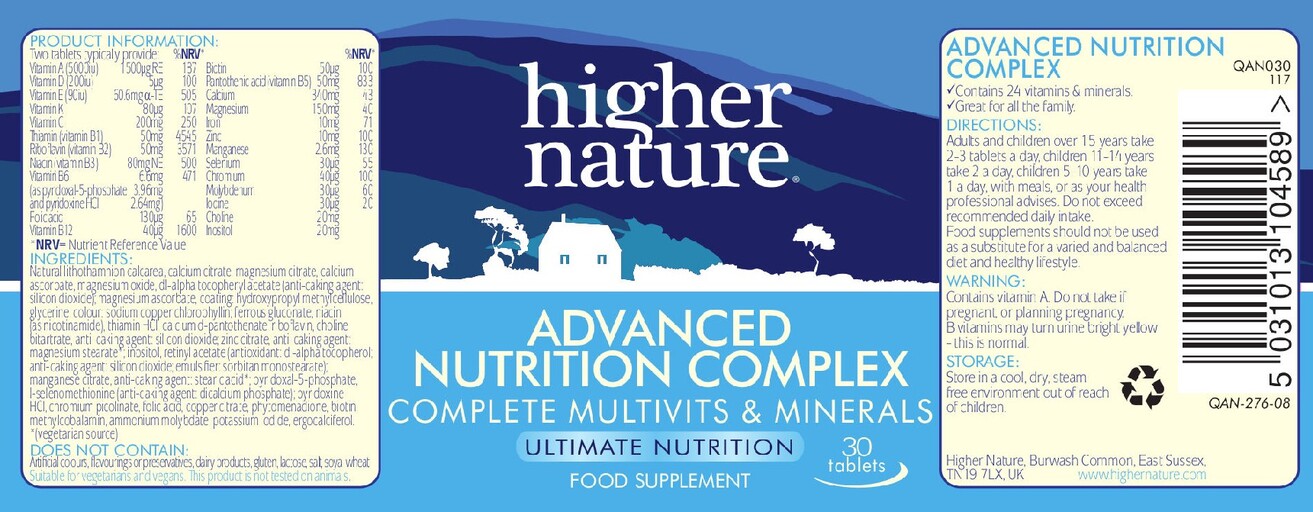
Ingredients (24)
Vitamin B6
100%Dose
9 mg
Target
1.3–25 mg
Form
—
Niacin
100%Dose
90 mg ne
Target
25–500 mg
Form
—
Pantothenic Acid
100%Dose
75 mg
Target
50–500 mg
Form
—
Biotin
8%Dose
75 mcg
Target
1000–5000 mcg
Form
—
Riboflavin
100%Dose
50 mg
Target
25–100 mg
Form
Budget
Other Ingredients (33)
Sodium BorateBuffer
Classified as a Substance of Very High Concern (SVHC) under EU REACH for reproductive toxicity (Category 1B — may damage fertility and the unborn child). EFSA's tolerable upper intake from total boron exposure is 10 mg/day for adults; sodium borate dosing must stay well below this. Acute oral toxicity is moderate (lethal dose ~5–20 g in adults), but the chronic-exposure reproductive endpoint is the binding constraint. Largely phased out of modern supplements and personal care in favor of safer buffers (citrate, phosphate). If a current product lists sodium borate, the inclusion warrants scrutiny — there are safer alternatives for every excipient function it provides.
Beta-Carotene (color)Color
Beta-carotene used in small amounts as a colorant/antioxidant.
BiotinFood
Vitamin B7, a water-soluble B-vitamin.
Choline BitartrateNutrient Source
The bitartrate salt of choline, an essential nutrient.
Coating (unspecified)Coating
Generic tablet coating declaration where the label does not itemize the coating's components; modern aqueous film coatings are typically cellulose-based (HPMC) with a plasticizer
Copper CitrateMineral Source
A citrate salt of copper used as a copper source.
Folic AcidVitamin
Synthetic form of vitamin B9 used for fortification — supports red blood cell formation and neural tube development. Pharmacologically distinct from the natural/active form (5-methyltetrahydrofolate, methylfolate).
Magnesium OxideMineral Source
An inorganic magnesium salt used as a magnesium source or bulking mineral.
How to Take It
Take it anytime
No evidence a formula this broad works better at any particular hour. Take it with a meal containing fat — the vitamins A, D, E and K in it absorb poorly without one.
With a meal containing fat
Keep it away from high-oxalate foods like spinach, coffee and tea
Space it a couple of hours from Green Tea Leaf Extract
On the label
Pregnant women take 3 tablets a day, 1 with each meal. Do not exceed recommended daily intake.
General guidance based on the ingredients, not a substitute for the label or your doctor.
Price Check
No price yet
What 798 multivitamins cost
Track this supplement in your stack
Get personalized insights, interactions, and coverage recommendations.
Get Started FreeSimilar Supplements
Sources & Scoring
Nutrient data (RDA, UL, and safety thresholds) sourced from the NIH Office of Dietary Supplements and the National Academies Dietary Reference Intakes (DRI).
This is not medical advice. Consult a healthcare provider before making changes to your supplement routine.
The score analyzes what's on the label: ingredient doses vs. studied ranges, chemical forms, evidence levels, and known interactions. It does not verify label accuracy or test for contaminants — for that, look for third-party certifications like USP or NSF.