BioStacks
Best for
Ingredients (12)
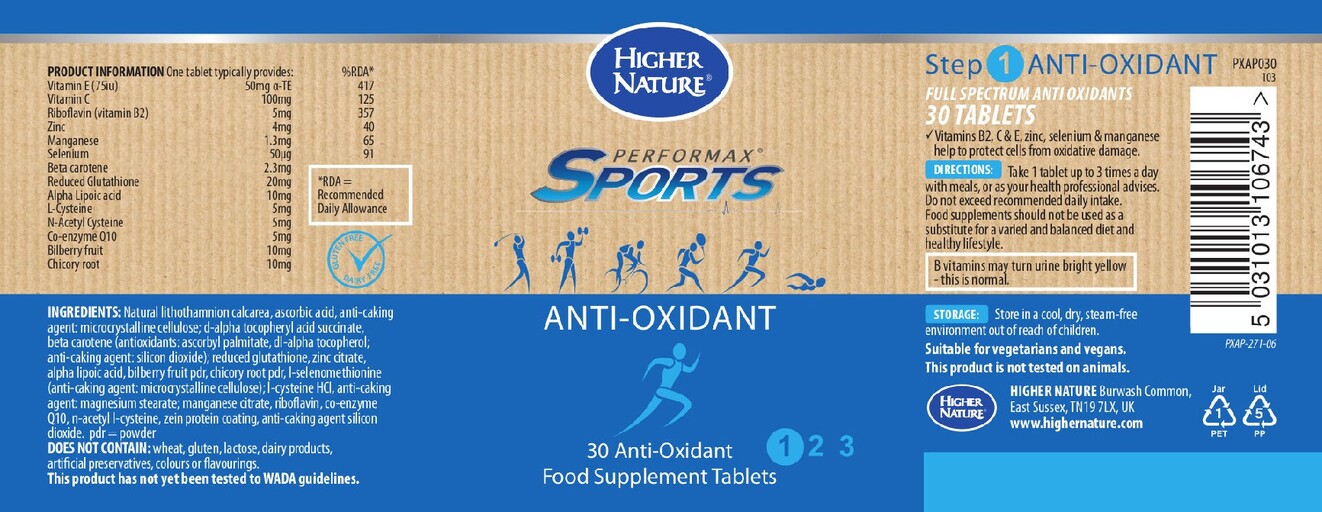
Beta-Carotene
100%Dose
1000 mcg
Target
700–1500 mcg
Form
Budget
Riboflavin
20%Dose
5 mg
Target
25–100 mg
Form
Budget
Vitamin C
100%Dose
100 mg
Target
25–500 mg
Form
Not listed
Vitamin E
100%Dose
50 mg
Target
50–268 mg
Form
Not listed
Selenium
50%Dose
50 mcg
Target
100–200 mcg
Form
Not listed
Other Ingredients (17)
Beta-Carotene (color)Color
Beta-carotene used in small amounts as a colorant/antioxidant.
Fruit Juice (unspecified)Colorant
Juice or juice concentrate used primarily for natural color and flavor in gummies
Magnesium StearateLubricant
A salt of stearic acid used as a lubricant in tablet and capsule production
Lithothamnion CalcareaFiller
Calcified red seaweed used as a whole-food tablet base and natural calcium/magnesium source (common in food-based multivitamin lines)
Silicon DioxideAnti-caking
Fine silica powder used to prevent clumping
ZeinCoating
Corn-derived prolamine protein used as a natural tablet glaze and moisture barrier — a plant-based alternative to shellac
Ascorbic AcidAntioxidant
Vitamin C used as an antioxidant preservative in supplements to prevent oxidation
Microcrystalline CelluloseBinder
Plant-derived cellulose used as a binder and filler in supplements
How to Take It
Take it anytime
No evidence a formula this broad works better at any particular hour. Take it with a meal containing fat — the vitamins A and E in it absorb poorly without one.
With a meal containing fat
Space it a couple of hours from Iron and Calcium
On the label
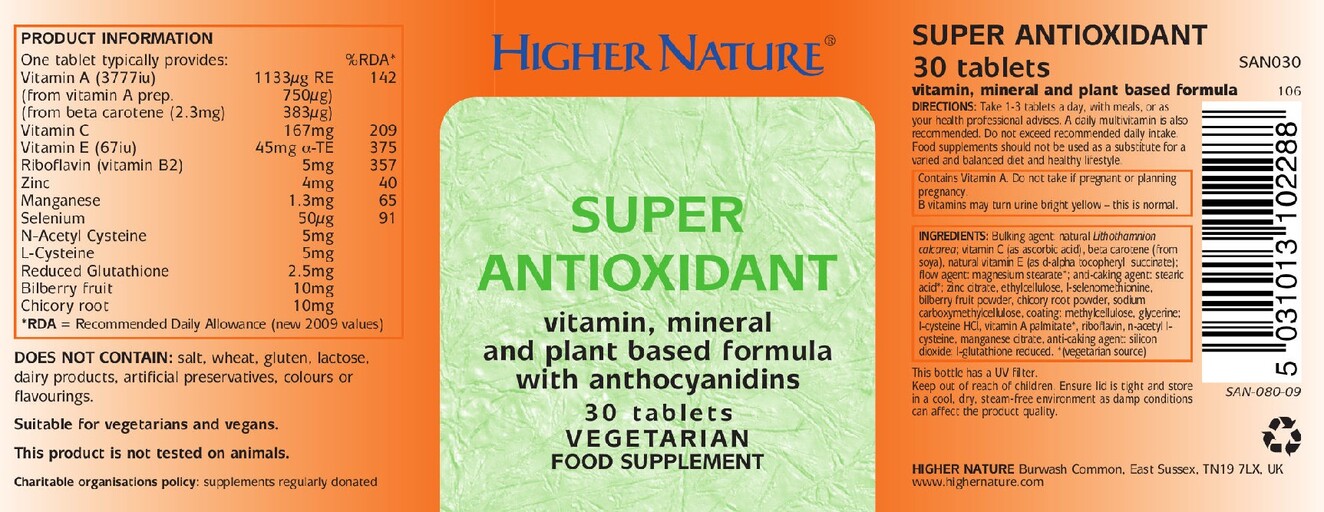
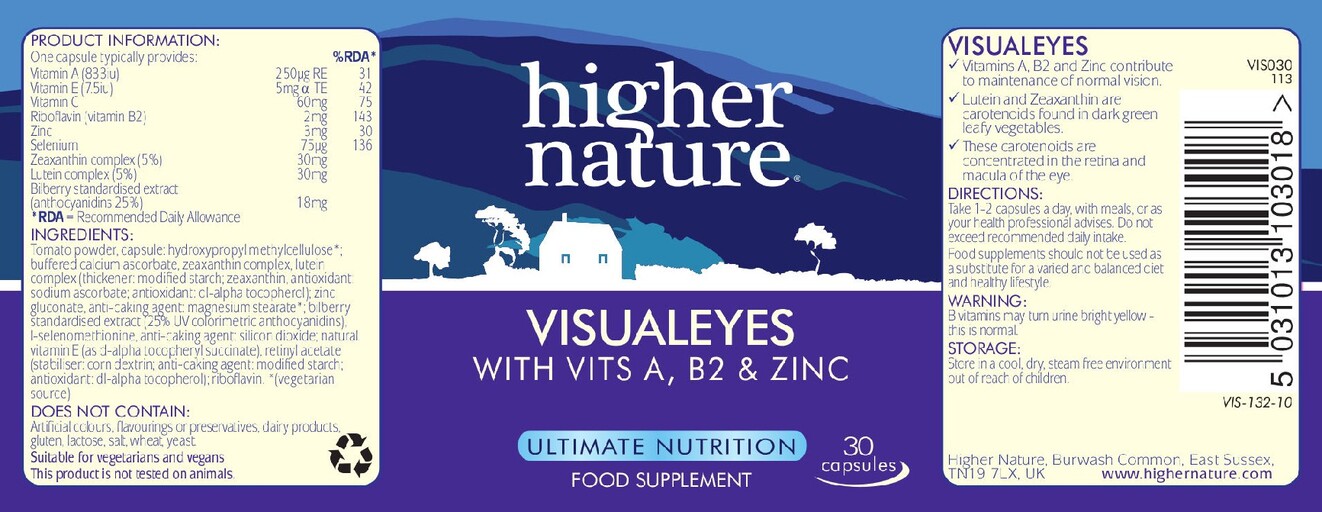
Take 1-3 tablets a day with meals. Do not exceed recommended daily intake. Food supplements should not be used as a substitute for a varied and balanced diet and healthy lifestyle.
General guidance based on the ingredients, not a substitute for the label or your doctor.
Price Check
$33.33
Near the median of 40 vision supplements
Track this supplement in your stack
Get personalized insights, interactions, and coverage recommendations.
Get Started FreeSimilar Supplements
Sources & Scoring
Nutrient data (RDA, UL, and safety thresholds) sourced from the NIH Office of Dietary Supplements and the National Academies Dietary Reference Intakes (DRI).
This is not medical advice. Consult a healthcare provider before making changes to your supplement routine.
The score analyzes what's on the label: ingredient doses vs. studied ranges, chemical forms, evidence levels, and known interactions. It does not verify label accuracy or test for contaminants — for that, look for third-party certifications like USP or NSF.