BioStacksAsk AI about this product 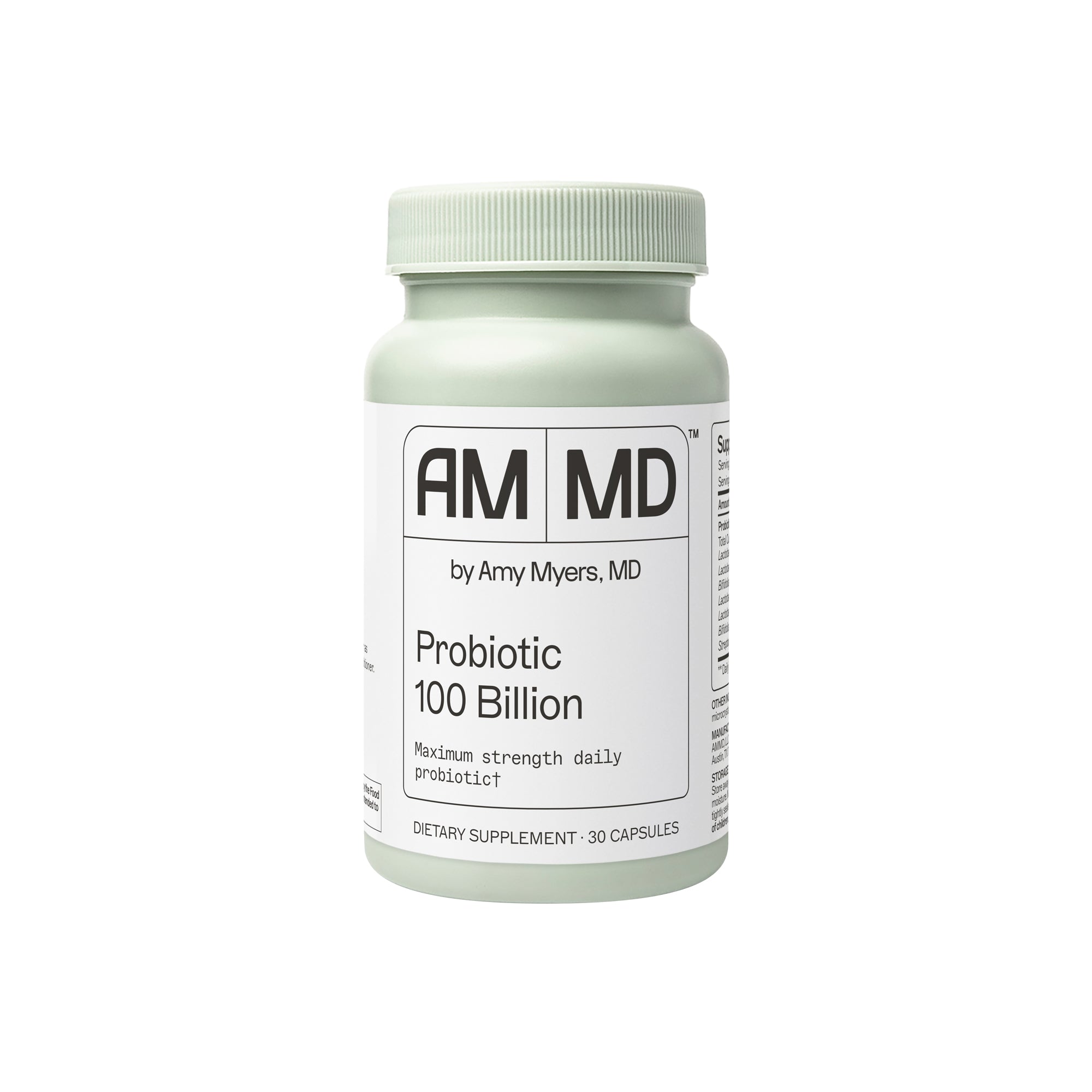
What it does
Bifidobacterium animalis subsp. lactis (BB-12)
bb-12Premium
Label lists Bifidobacterium animalis subsp. lactis (BB-12) (1 billion cfu). Benefit information is limited.
Ingredients (1)
Children's product — scores and dose assessments use adult reference ranges. Actual adequacy may differ for children.
Other ingredients
MaltodextrinBinder
Spikes blood sugar faster than table sugar (glycemic index 85–105). Research links it to gut bacteria changes that may promote intestinal inflammation (Nickerson et al. 2015). Used as a cheap filler — adds nothing beneficial.
SucroseSweetener
Added sugars and high glycemic load; dental caries risk
Citric AcidAcidulant
Natural acid derived from citrus fruits
Ascorbic AcidAntioxidant
Vitamin C used as an antioxidant preservative in supplements to prevent oxidation
Sunflower Seed OilCarrier
Common vegetable oil from sunflower seeds used as a carrier in softgels for fat-soluble nutrients
Mixed TocopherolsAntioxidant
Natural vitamin E used as preservative
Lab testing
How to take it
With food
Keep it away from hot food or drink
On the label
Shake vigorously for 15 seconds. Take at least 2-3 hours before or after taking antibiotics. Use within 28 days of opening. Infants and children 1 month - 3 years old: Add 6 drops to milk/breast milk/formula in a bottle or apply directly on a pacifier, a spoon or baby's tongue for baby to swallow, once daily
Price check
C$24.99≈ $18.24 USD
C$0.20 / serving
Cheaper than 80% of 137 probiotics supplements
Similar products
Amy Myers MD
Probiotic 100 Billion
🍏 for Digestion
85
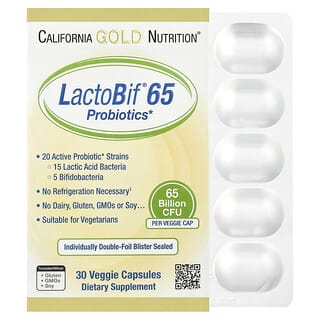
California Gold Nutrition
LactoBif 65 Probiotics 65 Billion CFU
🍏 for Digestion
82
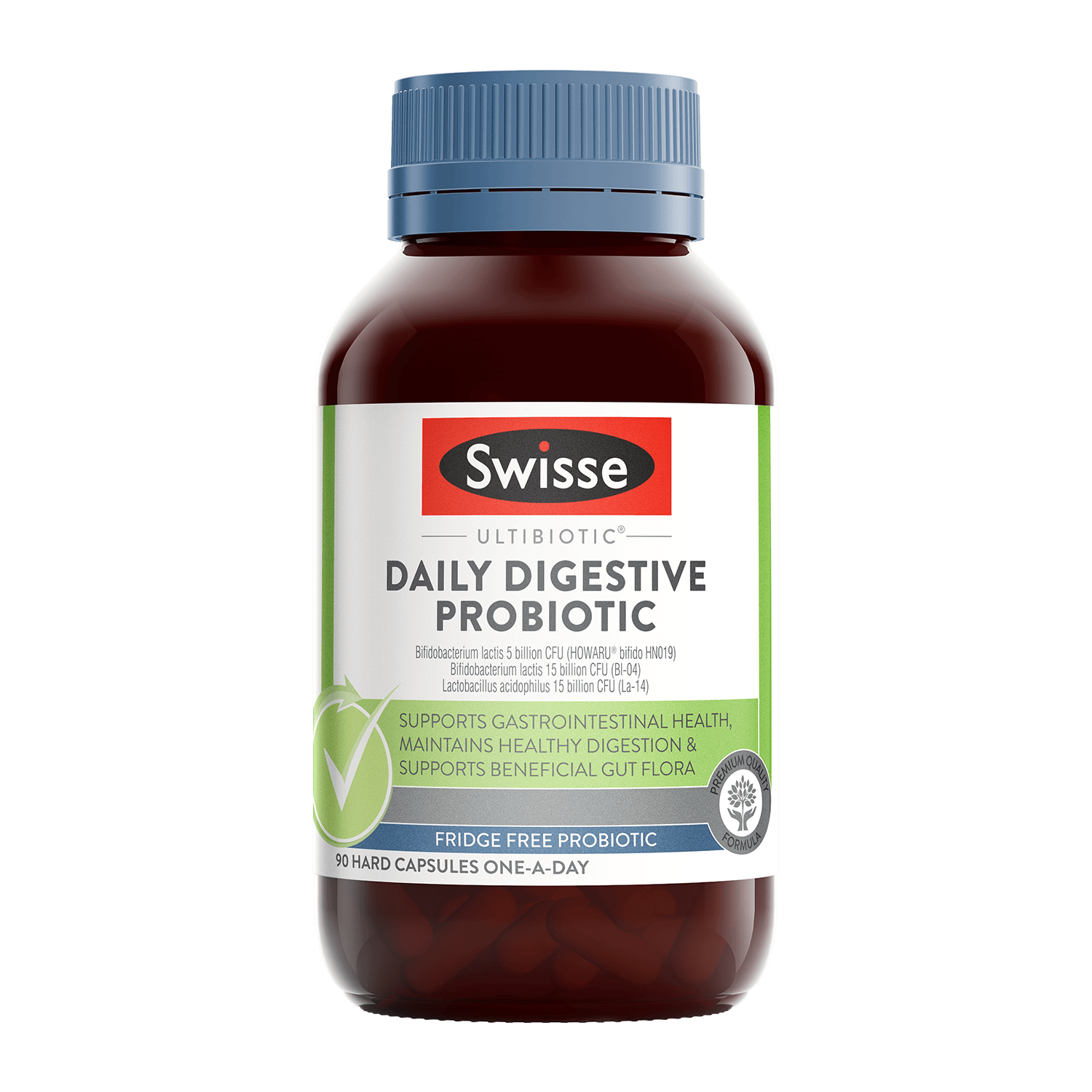
Swisse
Daily Digestive Probiotic
🍏 for Digestion
73
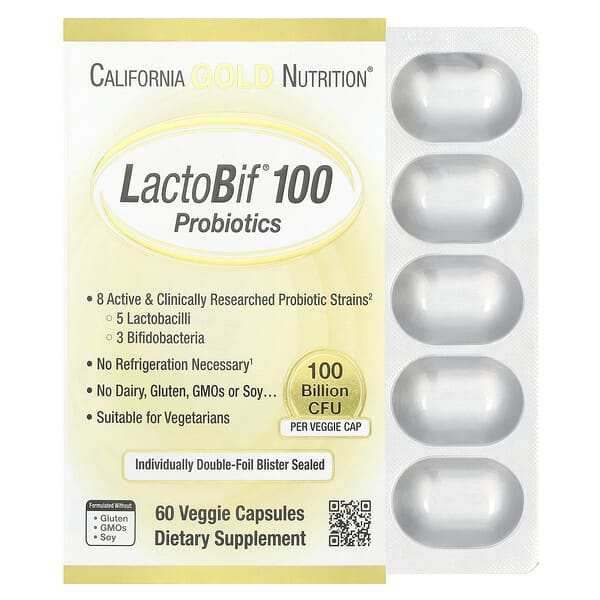
California Gold Nutrition
California Gold Nutrition, LactoBif 100 Probiotics, 100 Billion CFU, 60 Veggie Capsules
🍏 for Digestion
68
California Gold Nutrition
LactoBif 100 Probiotics 100 Billion CFU
🍏 for Digestion
68
Sources & Scoring
Nutrient data (RDA, UL, and safety thresholds) sourced from the NIH Office of Dietary Supplements and the National Academies Dietary Reference Intakes (DRI).
This is not medical advice. Consult a healthcare provider before making changes to your supplement routine.
The score analyzes what's on the label: ingredient doses vs. studied ranges, chemical forms, evidence levels, and known interactions. It does not verify label accuracy or test for contaminants — for that, look for third-party certifications like USP or NSF.
Not medical advice. Consult your healthcare professional.