BioStacks
Best for
Ingredients (5)
Lactococcus lactis(UALI-08)
100%Dose
3.5 billion cfu
Target
1–20 B CFU
Form
—
Lactobacillus gasseri
50%Dose
0.5 billion cfu
Target
1–100 B CFU
Form
Standard
Lactobacillus rhamnosus
50%Dose
0.5 billion cfu
Target
1–20 B CFU
Form
Standard
Bifidobacterium animalis subsp. lactis
40%Dose
0.4 billion cfu
Target
1–100 B CFU
Form
Standard
Bifidobacterium breve
10%Dose
0.1 billion cfu
Target
1–100 B CFU
Form
Standard
Other Ingredients (4)
Silicon DioxideAnti-caking
Fine silica powder used to prevent clumping
Magnesium StearateLubricant
A salt of stearic acid used as a lubricant in tablet and capsule production
Microcrystalline CelluloseBinder
Plant-derived cellulose used as a binder and filler in supplements
Microcrystalline CelluloseBinder
Plant-derived cellulose used as a binder and filler in supplements
How to Take It
Best taken in the morning
Live strains survive stomach acid best taken with or just before a meal — after a meal is the worst option. Consistency matters more than the clock.
With food
Keep it away from hot food or drink
On the label
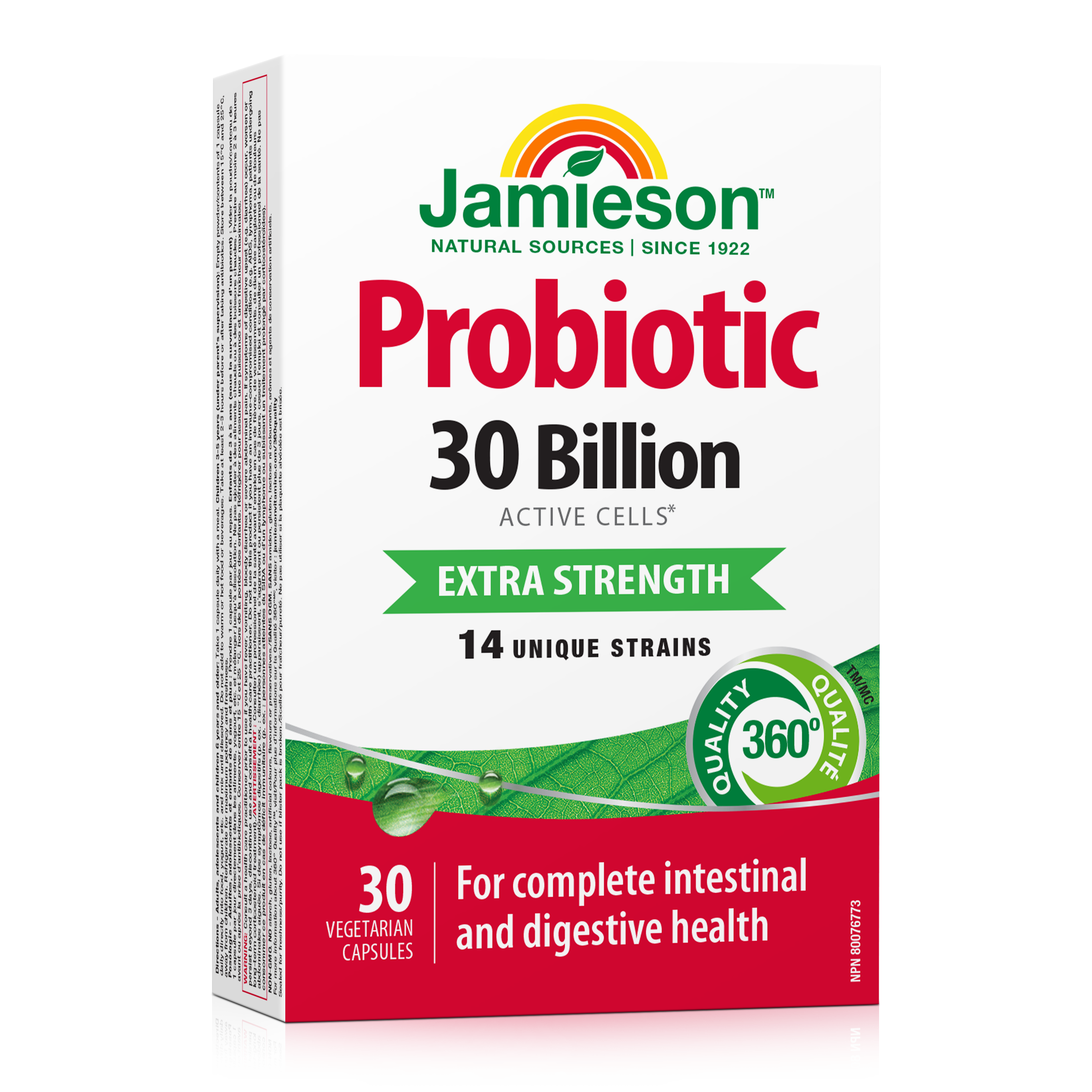
Children 3-5 years (under parent's supervision): Empty powder/contents of 1 capsule daily directly into food, yogurt, etc. and mix until dissolved. Do not add to warm or hot food or beverages. Take at least 2-3 hours before or after taking antibiotics.Adults, adolescents, and children 6 years and older: Take 1 capsule daily with a meal. Take at least 2-3 hours before or after taking antibiotics.Store between 15°C – 25°C, away from children. Refrigerate for maximum potency and freshness
General guidance based on the ingredients, not a substitute for the label or your doctor.
Track this supplement in your stack
Get personalized insights, interactions, and coverage recommendations.
Get Started FreeSimilar Supplements
Sources & Scoring
Nutrient data (RDA, UL, and safety thresholds) sourced from the NIH Office of Dietary Supplements and the National Academies Dietary Reference Intakes (DRI).
This is not medical advice. Consult a healthcare provider before making changes to your supplement routine.
The score analyzes what's on the label: ingredient doses vs. studied ranges, chemical forms, evidence levels, and known interactions. It does not verify label accuracy or test for contaminants — for that, look for third-party certifications like USP or NSF.