BioStacks
Nutrition
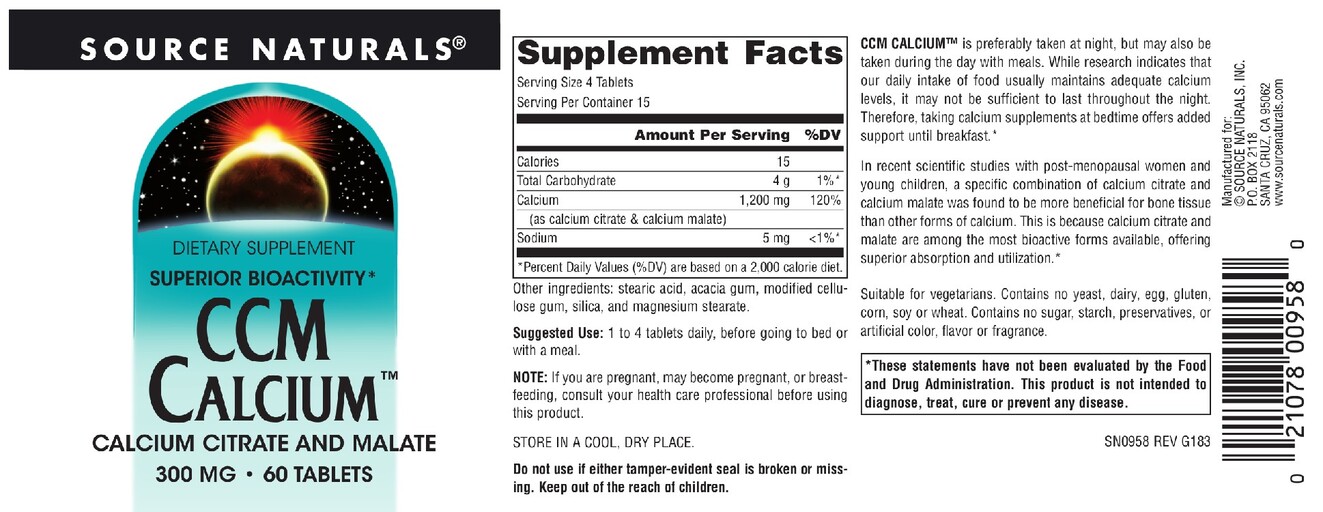
Calories, macros & sodium.
- Sodium135 mg
Other Ingredients (7)
SucraloseSweetener
Dose context matters. As a trace excipient in a tablet coating or capsule, the amount is minimal and not a meaningful concern. The evidence below applies to the gram-level intakes typical of sweetened protein powders, pre-workouts, and drink mixes: a 2022 human trial (Suez et al., Cell) showed sucralose disrupts gut bacteria and worsens blood sugar control in healthy adults, and a 2023 study (Schiffman et al.) found that sucralose-6-acetate — a compound formed when sucralose is digested — was genotoxic to human cells in vitro. It remains an artificial sweetener with no nutritional purpose.
Coconut (base)Food
Dried coconut used as a food-based carrier.
Natural FlavorsFlavor
Broad regulatory category of flavor constituents derived from natural sources. Composition is proprietary and not disclosed — 'Natural Flavors' can include several hundred different compounds depending on the target flavor profile, including hexane-extracted constituents and proprietary carrier solvents. 'Natural' is a regulatory definition (21 CFR §101.22), not a safety guarantee.
Gum BlendThickener
Generic term for a mixture of food-grade gums such as guar, xanthan, and acacia
Whey ProteinProtein Source
Common dairy-derived protein that sometimes appears in the other ingredients list due to label parsing
Sea SaltFlavor
Basic food-grade salt used for taste in supplements
Stevia ExtractSweetener
Zero-calorie natural sweetener extracted from the leaves of Stevia rebaudiana
How to Take It
Take it anytime
Take with food and split doses above 500 mg — absorption drops at higher single doses.
With food
Keep it away from high-oxalate foods like spinach
Space it a couple of hours from Iron, Magnesium and Zinc
On the label
Mix 1 scoop with 8-12 ounces of cold water. Drink Casein in the evening before bed, in place of small meals, or anytime you need a steady release of amino acids.
General guidance based on the ingredients, not a substitute for the label or your doctor.
Price Check
$39.99
Pricier than 90% of 294 calcium supplements
Track this supplement in your stack
Get personalized insights, interactions, and coverage recommendations.
Get Started FreeSimilar Supplements
Sources & Scoring
Nutrient data (RDA, UL, and safety thresholds) sourced from the NIH Office of Dietary Supplements and the National Academies Dietary Reference Intakes (DRI).
This is not medical advice. Consult a healthcare provider before making changes to your supplement routine.
The score analyzes what's on the label: ingredient doses vs. studied ranges, chemical forms, evidence levels, and known interactions. It does not verify label accuracy or test for contaminants — for that, look for third-party certifications like USP or NSF.