BioStacks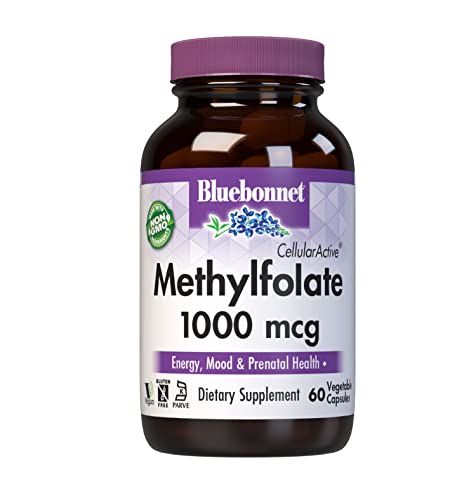
Other Ingredients (11)
SorbitolSweetener
A FODMAP sugar alcohol that may trigger GI discomfort (bloating, gas) in individuals with IBS or sorbitol malabsorption, even at small amounts found in supplements. Avoided in low-FODMAP diets.
Fruit Juice (unspecified)Colorant
Juice or juice concentrate used primarily for natural color and flavor in gummies
Magnesium StearateLubricant
A salt of stearic acid used as a lubricant in tablet and capsule production
Natural FlavorsFlavor
Broad regulatory category of flavor constituents derived from natural sources. Composition is proprietary and not disclosed — 'Natural Flavors' can include several hundred different compounds depending on the target flavor profile, including hexane-extracted constituents and proprietary carrier solvents. 'Natural' is a regulatory definition (21 CFR §101.22), not a safety guarantee.
Microcrystalline CelluloseBinder
Plant-derived cellulose used as a binder and filler in supplements
Citric AcidAcidulant
Natural acid derived from citrus fruits
Malic AcidAcidulant
Naturally occurring organic acid found in apples, used as a flavor enhancer and acidulant in supplements
StarchBinder
Carbohydrate polymer used as a binder, filler, and disintegrant in tablets and capsules
How to Take It
Take it anytime
Water-soluble — timing is flexible. Consistency matters more than the clock.
With or without food
On the label
Dissolve one ActivMelt micro tablet on or under the tongue daily. Store in a cool, dry place.
General guidance based on the ingredients, not a substitute for the label or your doctor.
Price Check
$17.09
Near the median of 138 vitamin B9 supplements
Track this supplement in your stack
Get personalized insights, interactions, and coverage recommendations.
Get Started FreeSimilar Supplements
Bluebonnet
CellularActive Methylfolate 1000 mcg
🤰 for Pregnancy
100
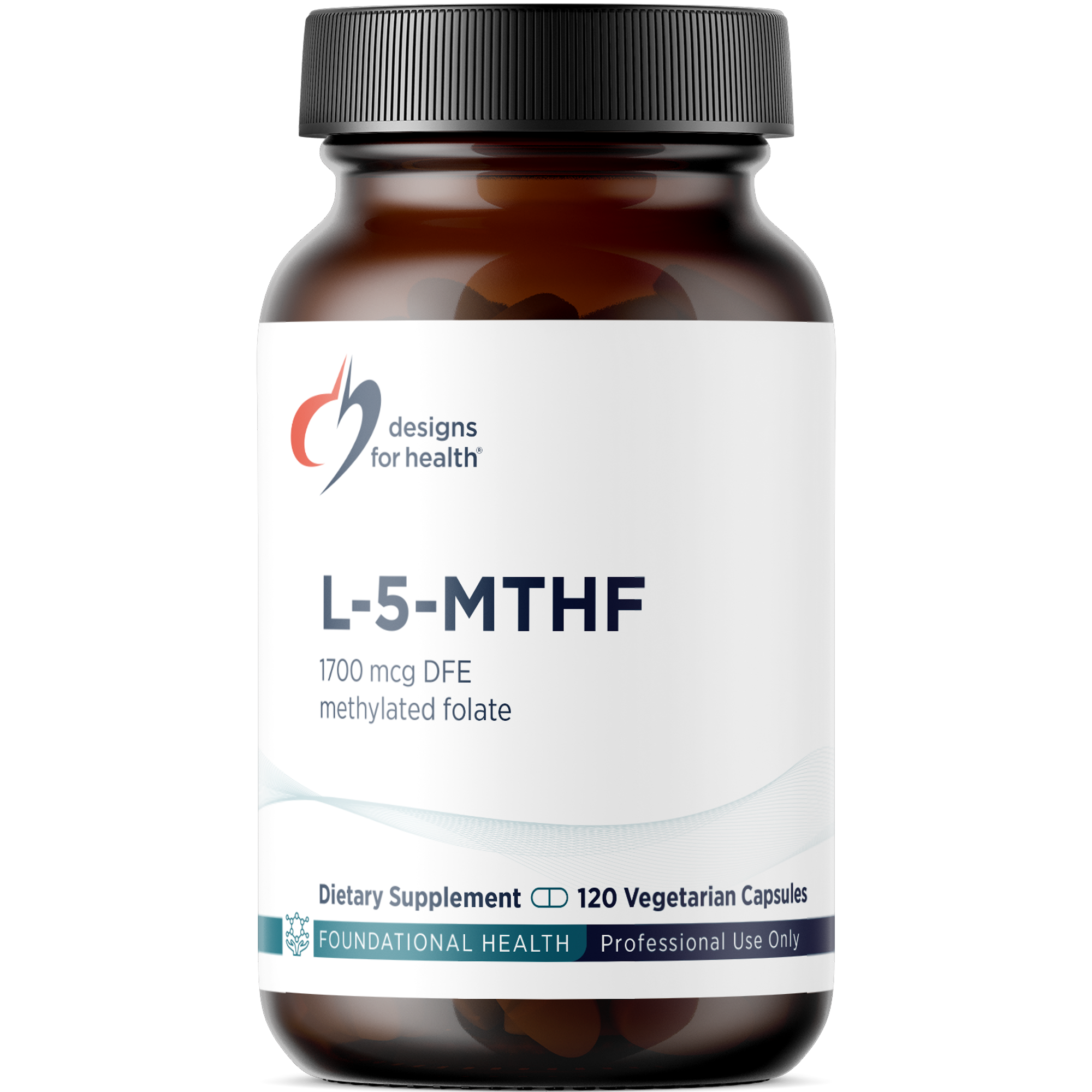
Designs for Health
L-5-MTHF 1700 mcg
🤰 for Pregnancy
100
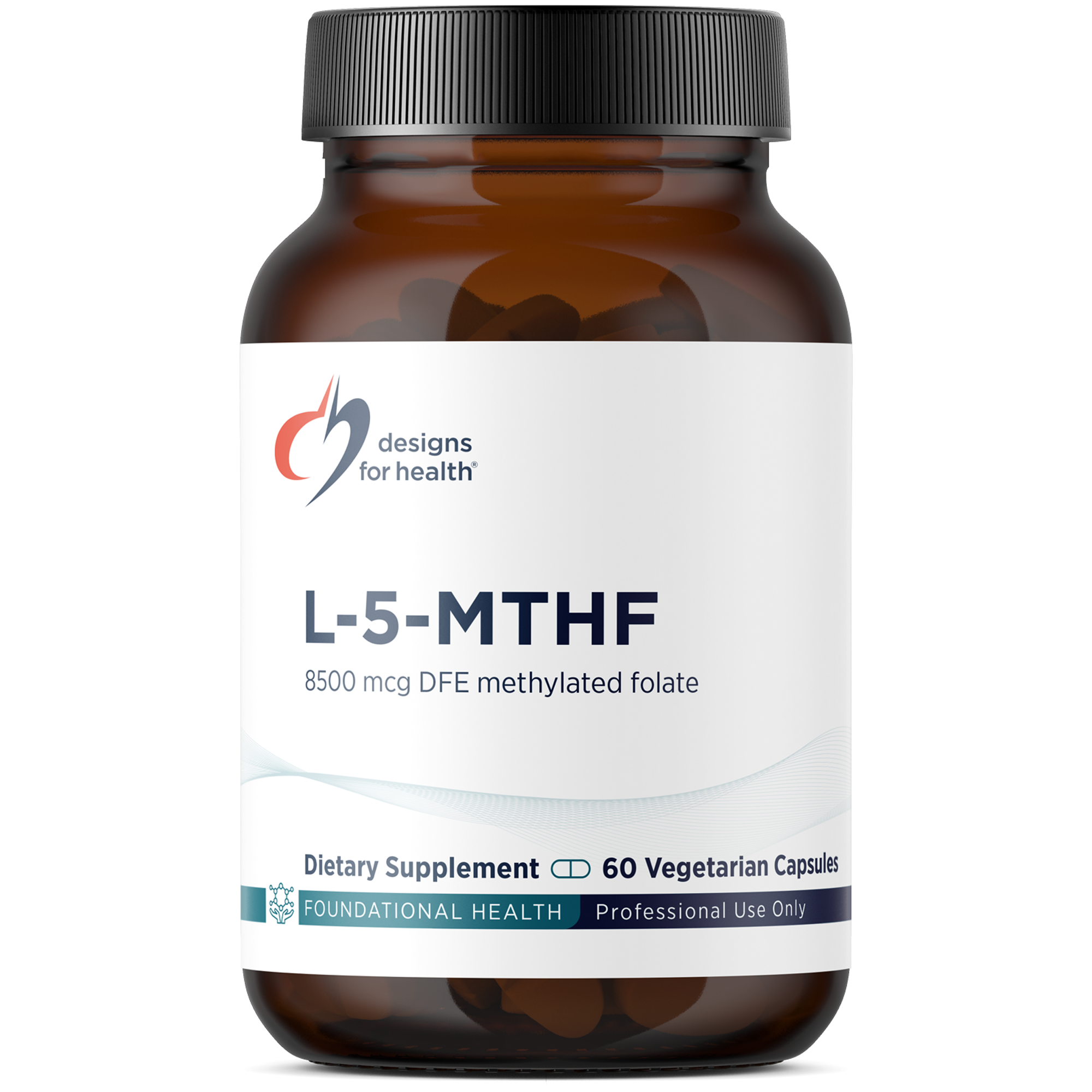
Designs for Health
L-5-MTHF 8500 Mcg
🤰 for Pregnancy
100
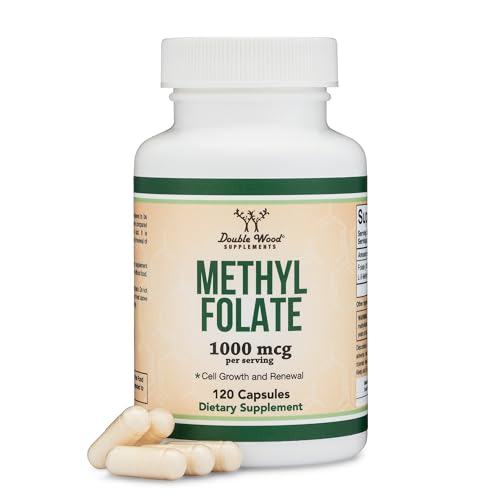
Double Wood Supplements
Methyl Folate 1000mcg
🤰 for Pregnancy
100
Life Extension
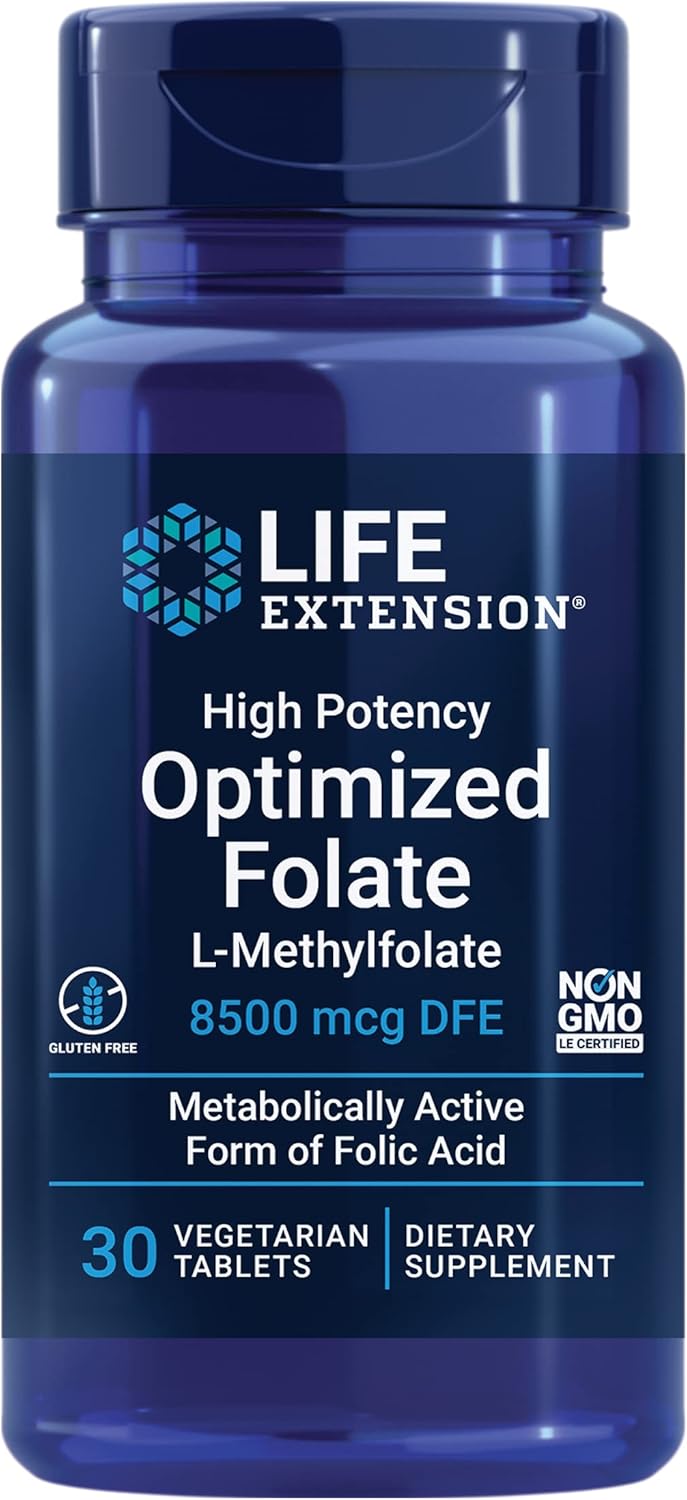
High Potency Optimized Folate 8500 mcg DFE
🤰 for Pregnancy
100
Sources & Scoring
Nutrient data (RDA, UL, and safety thresholds) sourced from the NIH Office of Dietary Supplements and the National Academies Dietary Reference Intakes (DRI).
This is not medical advice. Consult a healthcare provider before making changes to your supplement routine.
The score analyzes what's on the label: ingredient doses vs. studied ranges, chemical forms, evidence levels, and known interactions. It does not verify label accuracy or test for contaminants — for that, look for third-party certifications like USP or NSF.