BioStacks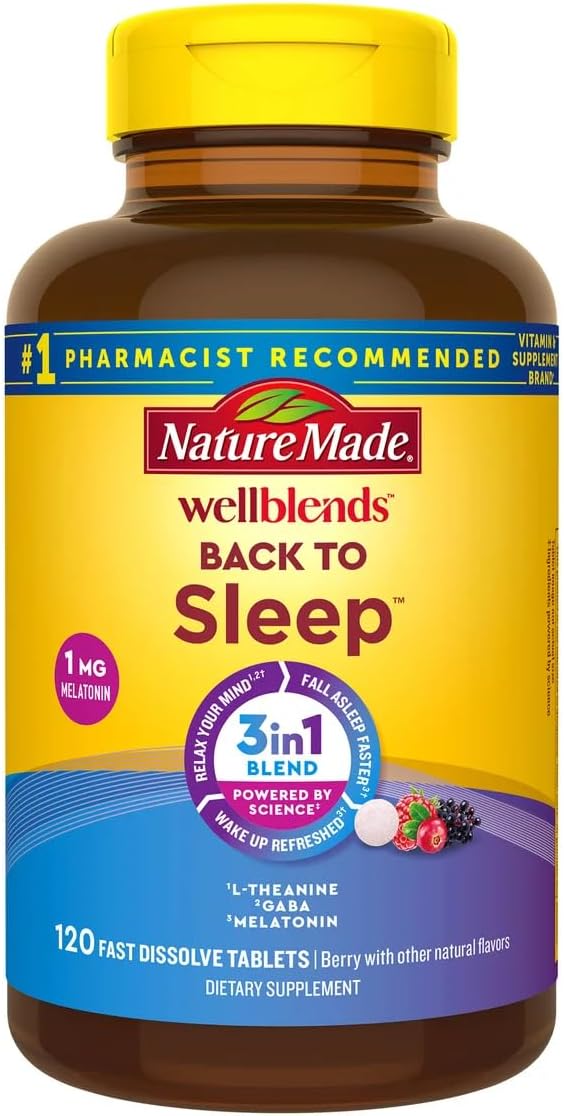
Best for
Ingredients (4)
Melatonin
100%Dose
0.5 mg
Target
0.5–5 mg
Form
—
L-Theanine
100%Dose
400 mg
Target
100–250 mg
Form
—
Glycine
100%Dose
3 g
Target
3–5 g
Form
—
GABA
100%Dose
100 mg
Target
100–300 mg
Form
—
Other Ingredients (6)
XylitolSweetener
A FODMAP sugar alcohol that can cause GI distress (bloating, gas, diarrhea) at moderate doses (>10-20g/day), though supplement amounts are typically small. Extremely toxic to dogs — households with pets should store securely.
Natural FlavorsFlavor
Broad regulatory category of flavor constituents derived from natural sources. Composition is proprietary and not disclosed — 'Natural Flavors' can include several hundred different compounds depending on the target flavor profile, including hexane-extracted constituents and proprietary carrier solvents. 'Natural' is a regulatory definition (21 CFR §101.22), not a safety guarantee.
Silicon DioxideAnti-caking
Fine silica powder used to prevent clumping
Vegetable StearateLubricant
A plant-derived salt of stearic acid (typically magnesium or calcium) used as a tablet lubricant
Citric AcidAcidulant
Natural acid derived from citrus fruits
Stevia ExtractSweetener
Zero-calorie natural sweetener extracted from the leaves of Stevia rebaudiana
How to Take It
Best taken in the evening
Take 30–60 minutes before bed. It's a circadian signal, not a daytime supplement.
With or without food
On the label
Take 4 chewable tablets about 30–45 minutes before bedtime.
General guidance based on the ingredients, not a substitute for the label or your doctor.
Price Check
$39.97
Pricier than 72% of 73 sleep supplements
Track this supplement in your stack
Get personalized insights, interactions, and coverage recommendations.
Get Started FreeSimilar Supplements
Nature Made
Back to Sleep
😴 for Sleep
55
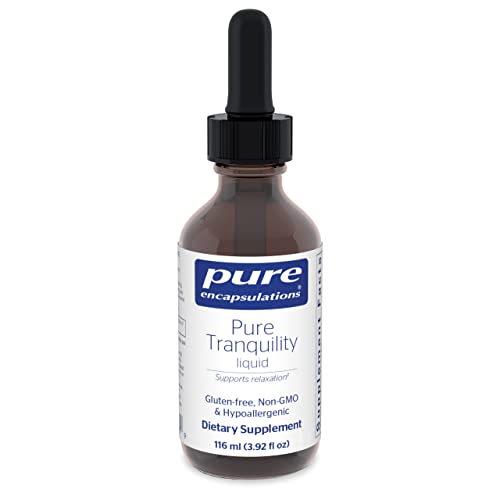
Pure Encapsulations
Pure Tranquility Liquid
🧘 for Stress & Mood
50
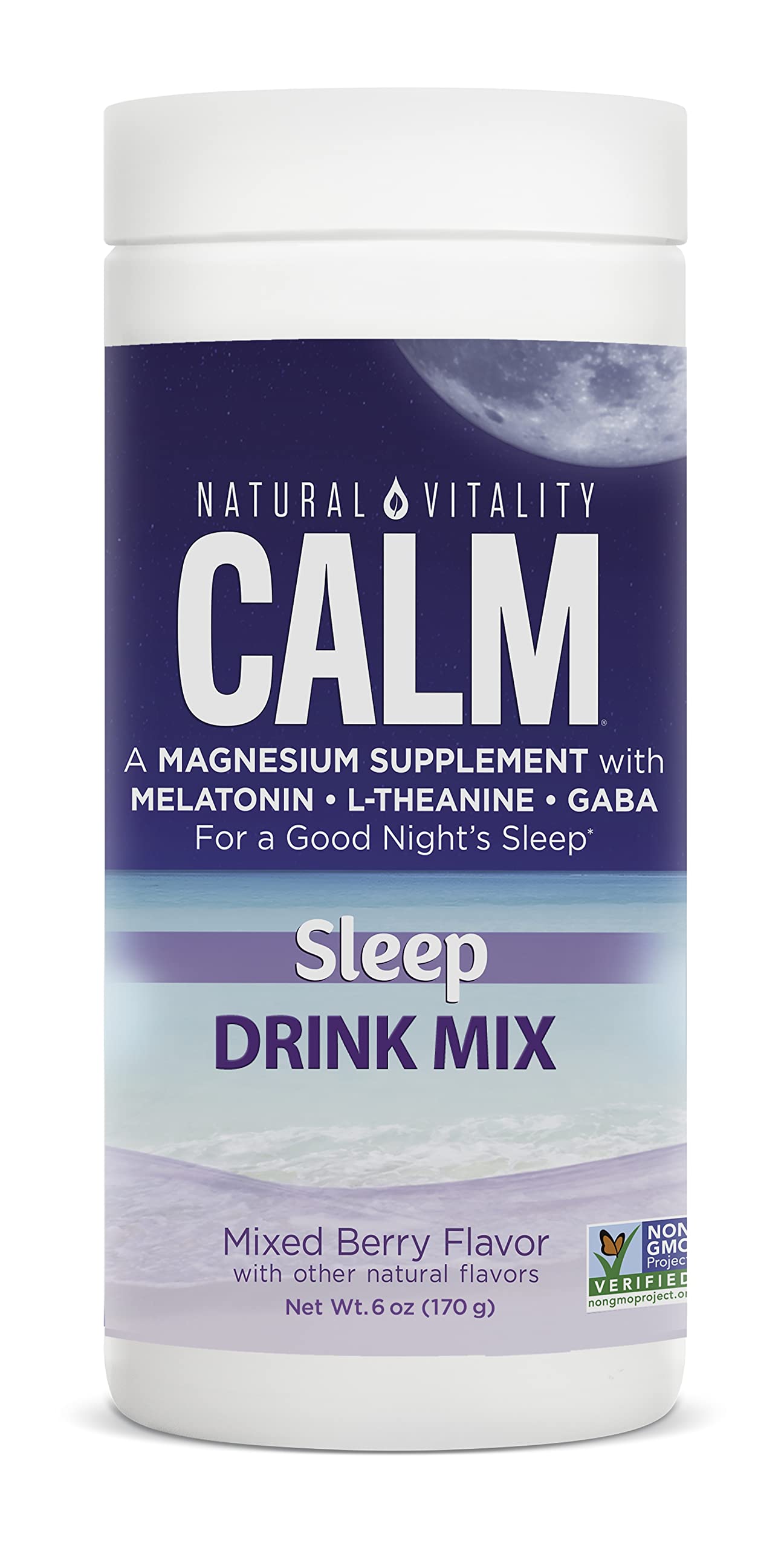
Natural Vitality
CALM Sleep Drink Mix Mixed Berry Flavor
😴 for Sleep
75
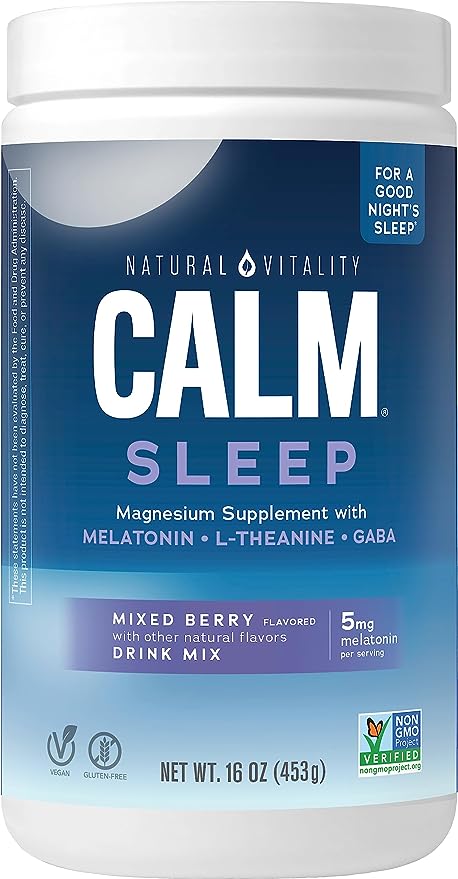
Natural Vitality
CALM Sleep Mixed Berry Flavor
😴 for Sleep
75
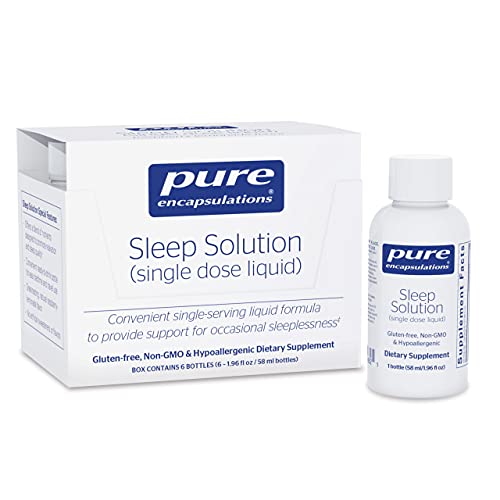
Pure Encapsulations
Sleep Solution (Single Dose Liquid) Box 0f 6
😴 for Sleep
71
Sources & Scoring
Nutrient data (RDA, UL, and safety thresholds) sourced from the NIH Office of Dietary Supplements and the National Academies Dietary Reference Intakes (DRI).
This is not medical advice. Consult a healthcare provider before making changes to your supplement routine.
The score analyzes what's on the label: ingredient doses vs. studied ranges, chemical forms, evidence levels, and known interactions. It does not verify label accuracy or test for contaminants — for that, look for third-party certifications like USP or NSF.