If you're looking for targeted mood support, this formula combines two ingredients with genuine clinical backing at their exact studied doses. **Saffron Extract** at 30 mg — standardized to safranal and crocins — matches the dose used in multiple RCTs showing meaningful improvements in mood and anxiety symptoms. It's one of the better-supported natural mood ingredients available.
The **Probiotic Blend** delivers 3 billion CFU of Lactobacillus helveticus and Bifidobacterium longum, a specific two-strain combination that has been studied in clinical trials for its effects on psychological well-being and stress-related gut symptoms. The microencapsulation process is designed to help the strains survive your stomach acid.
At just two active ingredients, this product is focused rather than broad — you're not getting B vitamins, magnesium, or other nutrients commonly associated with mood support. If you want a multi-angle approach to mood, you'd need to pair this with other supplements.
BioStacks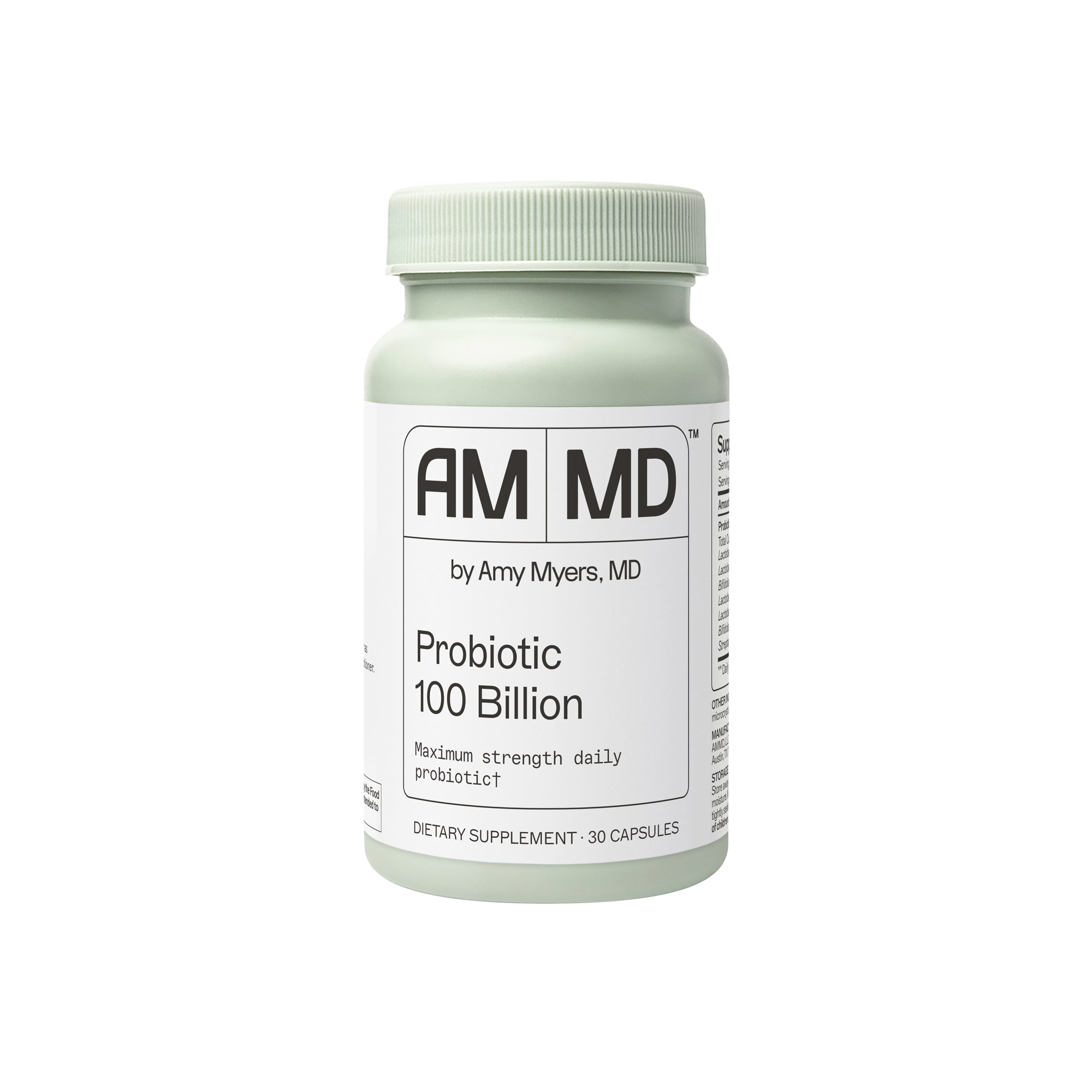
Best for
Ingredients (2)
Saffron Stigma Extract
100%Dose
30 mg
Target
14–30 mg
Form
—
Mood Probiotic Blend
90%Dose
3 B CFU
Target
1–100 B CFU
Form
Standard
Other Ingredients (7)
MaltodextrinBinder
Spikes blood sugar faster than table sugar (glycemic index 85–105). Research links it to gut bacteria changes that may promote intestinal inflammation (Nickerson et al. 2015). Used as a cheap filler — adds nothing beneficial.
Vegetable StearateLubricant
A plant-derived salt of stearic acid (typically magnesium or calcium) used as a tablet lubricant
Ascorbic AcidAntioxidant
Vitamin C used as an antioxidant preservative in supplements to prevent oxidation
Microcrystalline CelluloseBinder
Plant-derived cellulose used as a binder and filler in supplements
Microcrystalline CelluloseBinder
Plant-derived cellulose used as a binder and filler in supplements
StarchBinder
Carbohydrate polymer used as a binder, filler, and disintegrant in tablets and capsules
Vegetable OilCarrier
Edible oils used as carriers in softgels and as processing aids
How to Take It
Best taken in the morning
Live strains survive stomach acid best taken with or just before a meal — after a meal is the worst option. Consistency matters more than the clock.
With food
Keep it away from hot food or drink
On the label
1 daily
General guidance based on the ingredients, not a substitute for the label or your doctor.
Price Check
$23.25
Near the median of 137 probiotics supplements
Track this supplement in your stack
Get personalized insights, interactions, and coverage recommendations.
Get Started FreeSimilar Supplements
Amy Myers MD
Probiotic 100 Billion
🍏 for Digestion
85
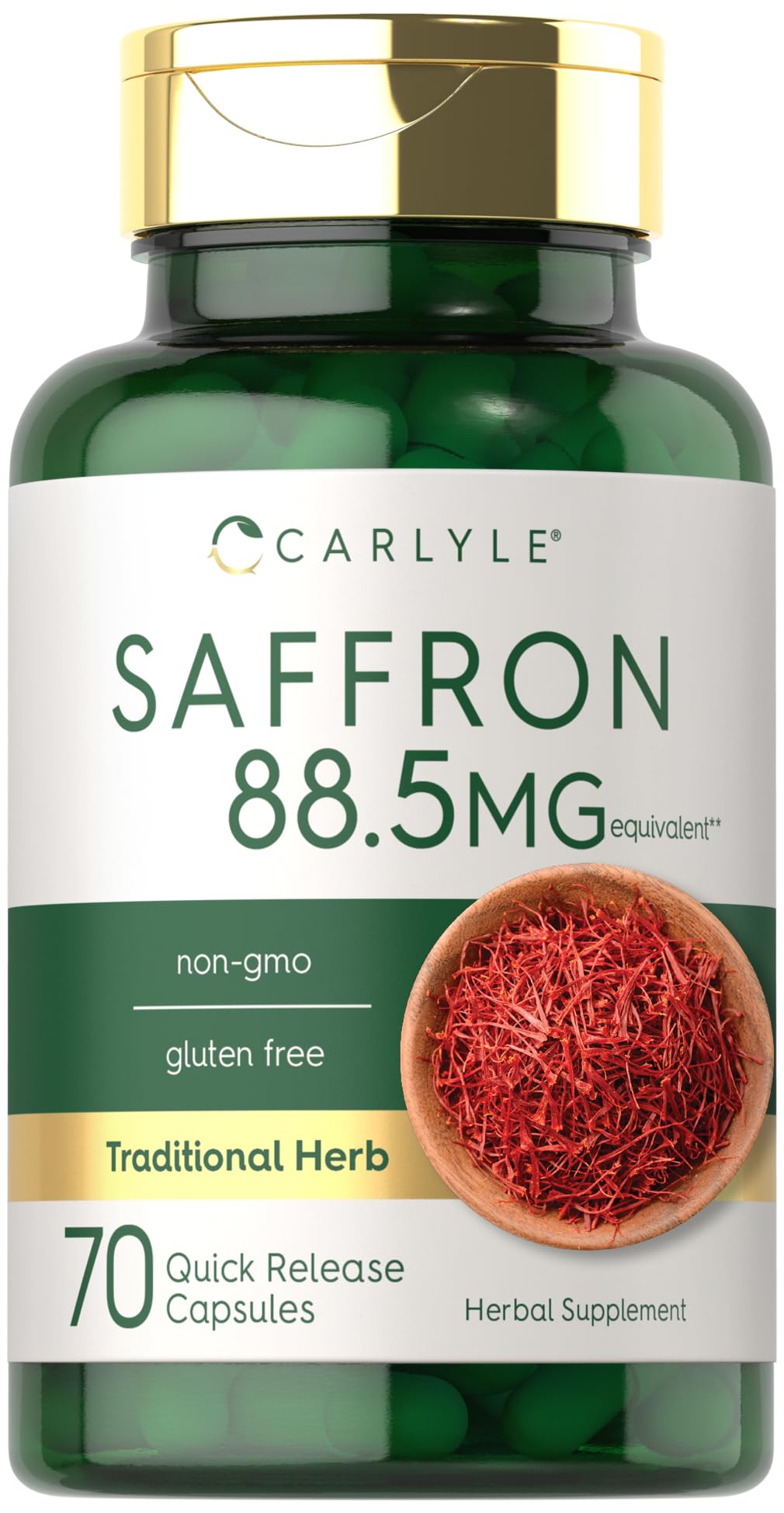
Carlyle
Saffron 88.5 Mg
🧘 for Stress & Mood
85
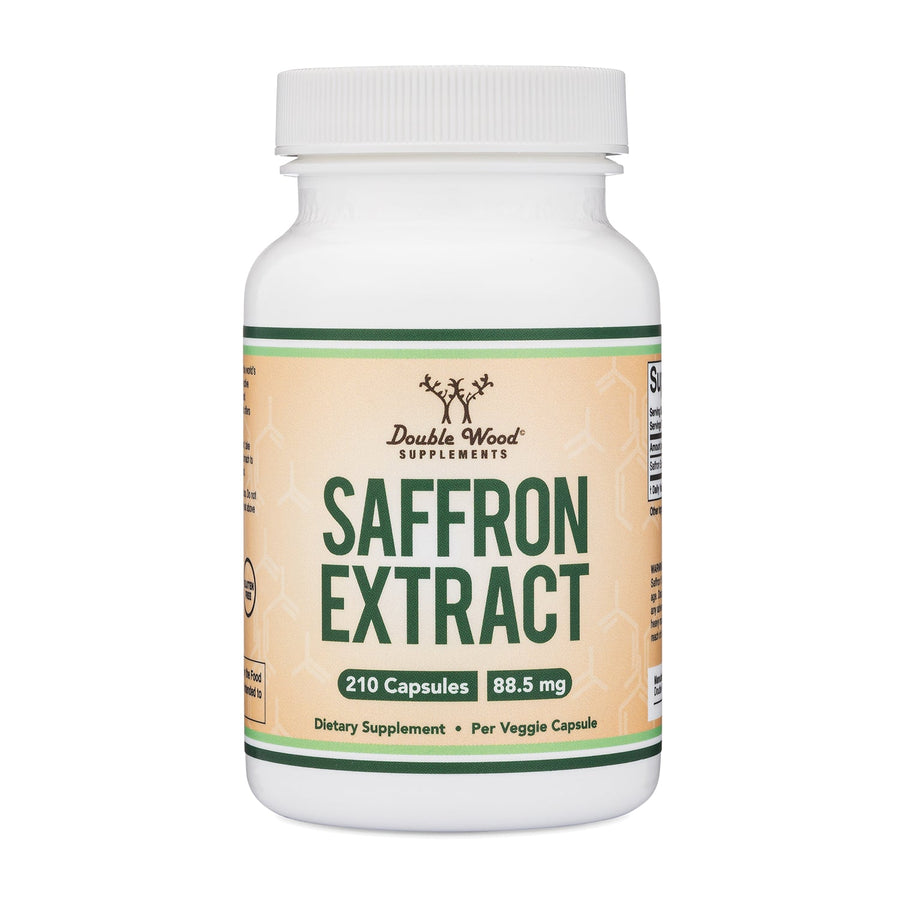
Double Wood Supplements
Saffron Extract 88.5 mg
🧘 for Stress & Mood
85
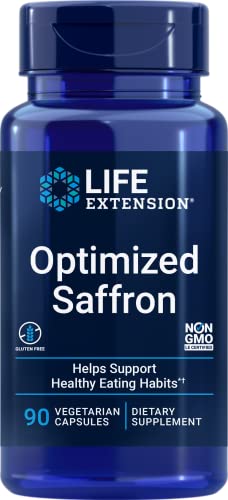
Life Extension
Optimized Saffron Extract with Satiereal
🧘 for Stress & Mood
85
Life Extension
Optimized Saffron with Satiereal
🧘 for Stress & Mood
85
Sources & Scoring
Nutrient data (RDA, UL, and safety thresholds) sourced from the NIH Office of Dietary Supplements and the National Academies Dietary Reference Intakes (DRI).
This is not medical advice. Consult a healthcare provider before making changes to your supplement routine.
The score analyzes what's on the label: ingredient doses vs. studied ranges, chemical forms, evidence levels, and known interactions. It does not verify label accuracy or test for contaminants — for that, look for third-party certifications like USP or NSF.