BioStacks
Ingredients (8)
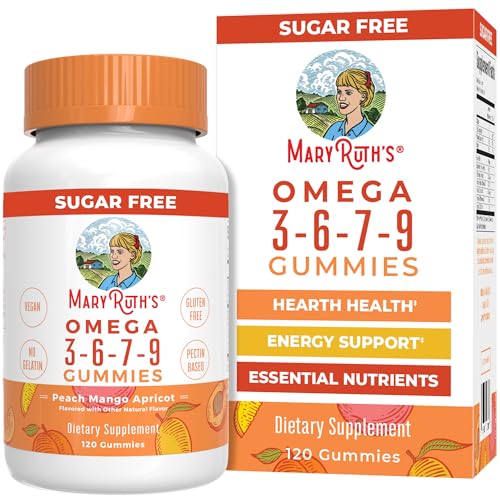
Omega-9 Oleic Acid
100%Dose
19 mg
Target
0–0 mg
Form
—
Omega-6 Linoleic Acid
100%Dose
14.3 mg
Target
0–0 mg
Form
—
Vitamin C
4%Dose
11 mg
Target
250–2000 mg
Form
Budget
Sea Buckthorn
7%Dose
66 mg
Target
1000–2000 mg
Form
—
Omega-3 Alpha Linolenic Acid
5%Dose
54.5 mg
Target
1000–3000 mg
Form
Not listed
Other Ingredients (9)
ErythritolSweetener
Witkowski et al. 2023 (Nature Medicine, PMID 36849732) reported elevated plasma erythritol associated with major adverse cardiovascular events (MACE) in two cohorts (n=4,000+), with in-vitro and ex-vivo evidence of enhanced platelet aggregation. Replication is ongoing; FDA and EFSA have not changed their safety positions, but the signal is real and the additive is purely cosmetic. Better-established concern: GI tolerance — single doses above ~50 g cause osmotic diarrhea. Lower threshold for children.
IsomaltSweetener
A poorly-absorbed sugar alcohol that can cause bloating, gas, and laxative effects at higher doses (EFSA notes laxative threshold for polyols). Tolerable for most, but cumulative across products.
Fruit Juice (unspecified)Colorant
Juice or juice concentrate used primarily for natural color and flavor in gummies
Natural FlavorsFlavor
Broad regulatory category of flavor constituents derived from natural sources. Composition is proprietary and not disclosed — 'Natural Flavors' can include several hundred different compounds depending on the target flavor profile, including hexane-extracted constituents and proprietary carrier solvents. 'Natural' is a regulatory definition (21 CFR §101.22), not a safety guarantee.
Citric AcidAcidulant
Natural acid derived from citrus fruits
PectinGelling Agent
Plant polysaccharide from citrus peels or apple pomace used to gel pectin-based gummies
Purified WaterSolvent
Water meeting USP specifications used as solvent/vehicle in gummies and liquids
Sodium CitrateBuffer
Sodium salt of citric acid used for pH control, tartness, and chelation in gummies
How to Take It
Take it anytime
Omega-3 is easier on the stomach taken with food.
With food
On the label
Ages 4-12, take 1 gummy up to 2 times per day and ages 13 and up take 1 gummy, up to 4 times per day or as recommended by a physician or healthcare professional.
General guidance based on the ingredients, not a substitute for the label or your doctor.
Price Check
$38.99
Pricier than 78% of 382 omega-3 supplements
Track this supplement in your stack
Get personalized insights, interactions, and coverage recommendations.
Get Started FreeSimilar Supplements
Sources & Scoring
Nutrient data (RDA, UL, and safety thresholds) sourced from the NIH Office of Dietary Supplements and the National Academies Dietary Reference Intakes (DRI).
This is not medical advice. Consult a healthcare provider before making changes to your supplement routine.
The score analyzes what's on the label: ingredient doses vs. studied ranges, chemical forms, evidence levels, and known interactions. It does not verify label accuracy or test for contaminants — for that, look for third-party certifications like USP or NSF.