BioStacks
Ingredients (7)
Celery seed powder
87%Dose
65 mg
Target
75–150 mg
Form
—
Catnip powder
65%Dose
65 mg
Target
100–1000 mg
Form
—
Passion Flower herb extract 4:1
7%Dose
16.3 mg
Target
250–500 mg
Form
—
Valerian root extract 4:1
5%Dose
16.3 mg
Target
300–600 mg
Form
—
Hops 12:1 extract
3%Dose
2.7 mg
Target
100–500 mg
Form
—
Other Ingredients (10)
TalcAnti-caking
IARC classifies cosmetic-grade talc not containing asbestos as Group 2B (possibly carcinogenic to humans); perineal talc use as Group 2A (probably carcinogenic). Johnson & Johnson voluntarily withdrew talc-based baby powder from US/Canada in 2020 and globally in 2022 after extensive litigation tied to ovarian-cancer and mesothelioma cases. The 2018 FDA contamination survey found asbestos in 9 of 52 cosmetic talc products tested. As a supplement excipient talc is a pure manufacturing convenience — no nutritional or functional benefit to the user — so the asbestos-exposure risk has no offsetting upside. Safer alternatives (silicon dioxide, microcrystalline cellulose, rice hulls) are widely available.
Sodium Lauryl SulfateSurfactant
A detergent surfactant; can be irritating and is generally undesirable in an oral supplement beyond trace processing levels.
Mineral OilEmollient
A highly refined petroleum-derived oil used as an occlusive emollient and lubricant
Silicon DioxideAnti-caking
Fine silica powder used to prevent clumping
Magnesium StearateLubricant
A salt of stearic acid used as a lubricant in tablet and capsule production
Croscarmellose SodiumDisintegrant
Cross-linked cellulose derivative used as a superdisintegrant
Hydroxypropyl CelluloseBinder
An inert modified-cellulose polymer used as a binder, film-former, and disintegrant.
Microcrystalline CelluloseBinder
Plant-derived cellulose used as a binder and filler in supplements
How to Take It
Best taken in the evening
Calming herb — used in the evening.
With or without food
On the label
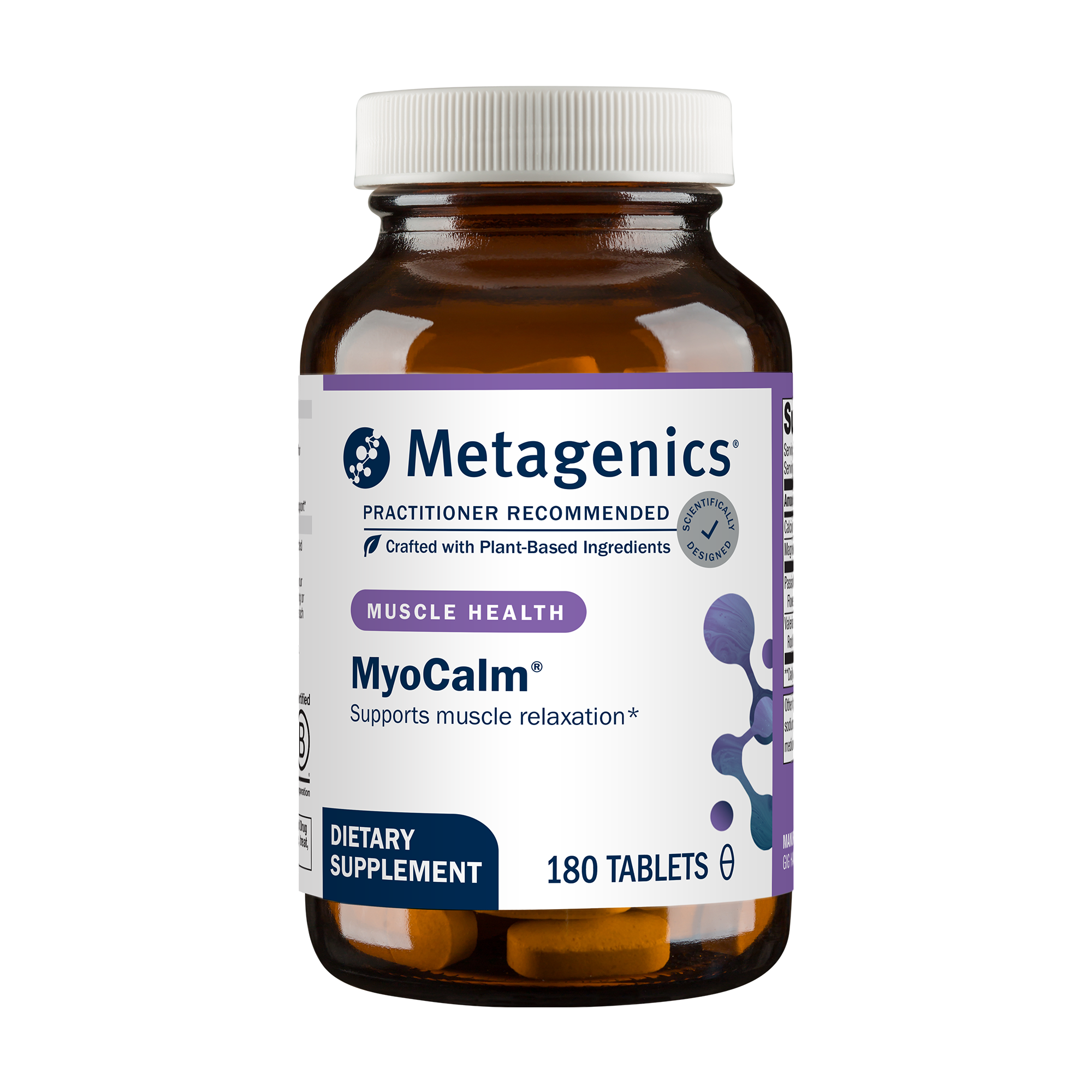
Directions: Adults - Take one tablet when needed, preferably with food, as a dietary supplement. Do not exceed the recommended serving size.
General guidance based on the ingredients, not a substitute for the label or your doctor.
Price Check
No price yet
What 294 calcium supplements cost
Track this supplement in your stack
Get personalized insights, interactions, and coverage recommendations.
Get Started FreeSimilar Supplements
Sources & Scoring
Nutrient data (RDA, UL, and safety thresholds) sourced from the NIH Office of Dietary Supplements and the National Academies Dietary Reference Intakes (DRI).
This is not medical advice. Consult a healthcare provider before making changes to your supplement routine.
The score analyzes what's on the label: ingredient doses vs. studied ranges, chemical forms, evidence levels, and known interactions. It does not verify label accuracy or test for contaminants — for that, look for third-party certifications like USP or NSF.