BioStacks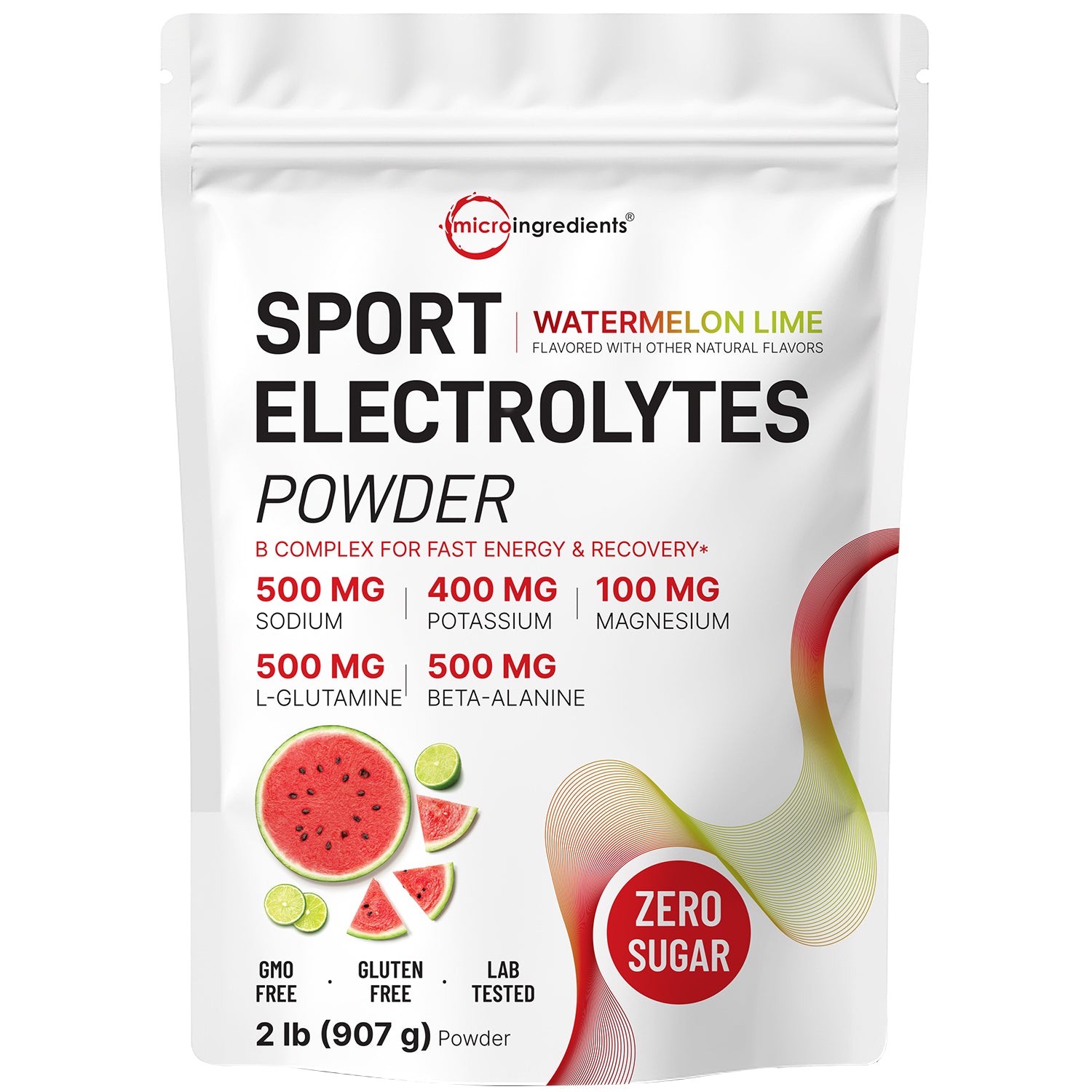
Micro Ingredients
Advanced Electrolyte Complex with Multivitamins
2 Capsules · 120 servings · $0.17/serving
Best for
Ingredients (14)
Manganese
100%Dose
2 mg
Target
1.8–5 mg
Form
Premium
Vitamin D
100%Dose
1000 IU
Target
1000–5000 IU
Form
Premium
Vitamin B12
2%Dose
6 mcg
Target
250–5000 mcg
Form
Premium
Pantothenic Acid
20%Dose
10 mg
Target
50–500 mg
Form
Premium
Potassium
100%Dose
99 mg
Target
99–500 mg
Form
Standard
Other Ingredients (4)
Rice FlourFiller
Rice-based ingredients carry risk of inorganic arsenic contamination (FDA and Consumer Reports). Rice accumulates arsenic from soil at higher rates than other grains. Used as a cheap filler — adds nothing beneficial.
Magnesium StearateLubricant
A salt of stearic acid used as a lubricant in tablet and capsule production
Silicon DioxideAnti-caking
Fine silica powder used to prevent clumping
GelatinCapsule
Protein derived from collagen, used in traditional capsule shells
How to Take It
Take it anytime
No evidence a formula this broad works better at any particular hour. Take it with a meal containing fat — the vitamin D in it absorbs poorly without one.
With a meal containing fat
Keep it away from high-oxalate foods like spinach
Space it a couple of hours from Iron
On the label
As a dietary supplement, adults take two (2) capsules daily with 8-12 oz of water or as directed by a healthcare professional.
General guidance based on the ingredients, not a substitute for the label or your doctor.
Price Check
$19.99
Cheaper than 65% of 798 multivitamins
Track this supplement in your stack
Get personalized insights, interactions, and coverage recommendations.
Get Started FreeSimilar Supplements
Micro Ingredients
Sport Electrolytes Powder (Watermelon Lime)
💧 for Hydration
65
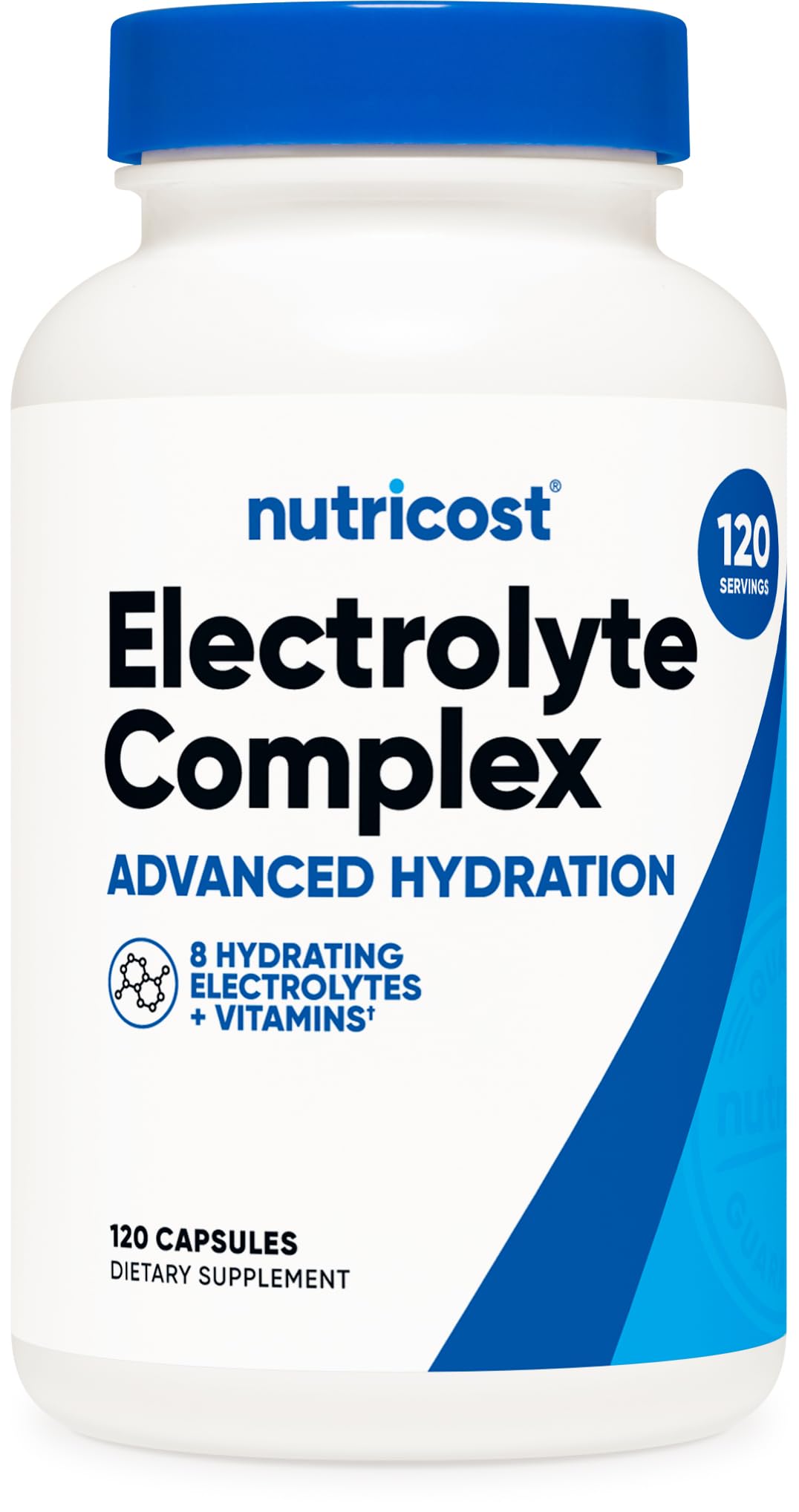
Nutricost
Electrolyte Complex
🛡️ for Immune
45
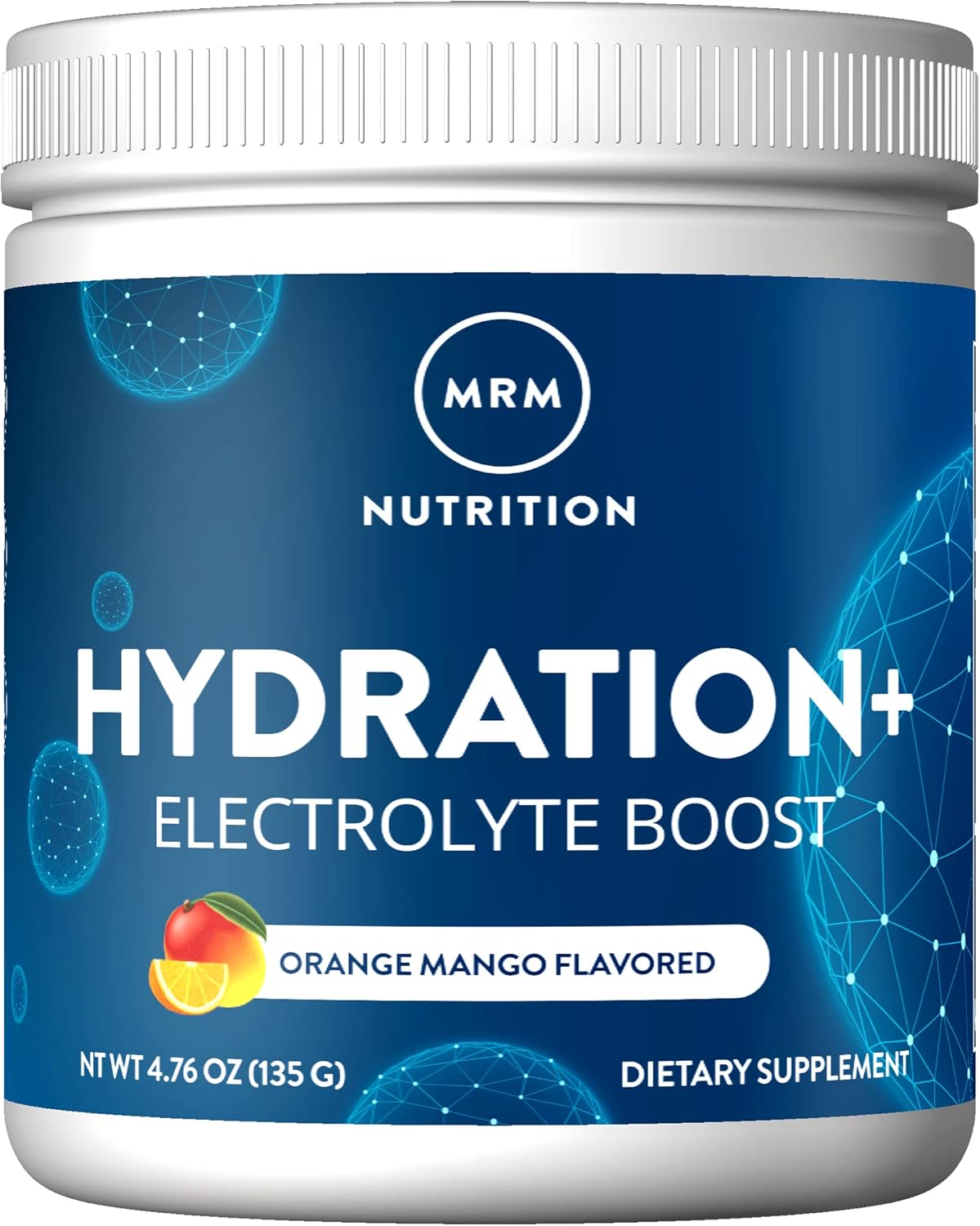
MRM Nutrition
Hydration+ Orange Mango Flavored
🛡️ for Immune
65
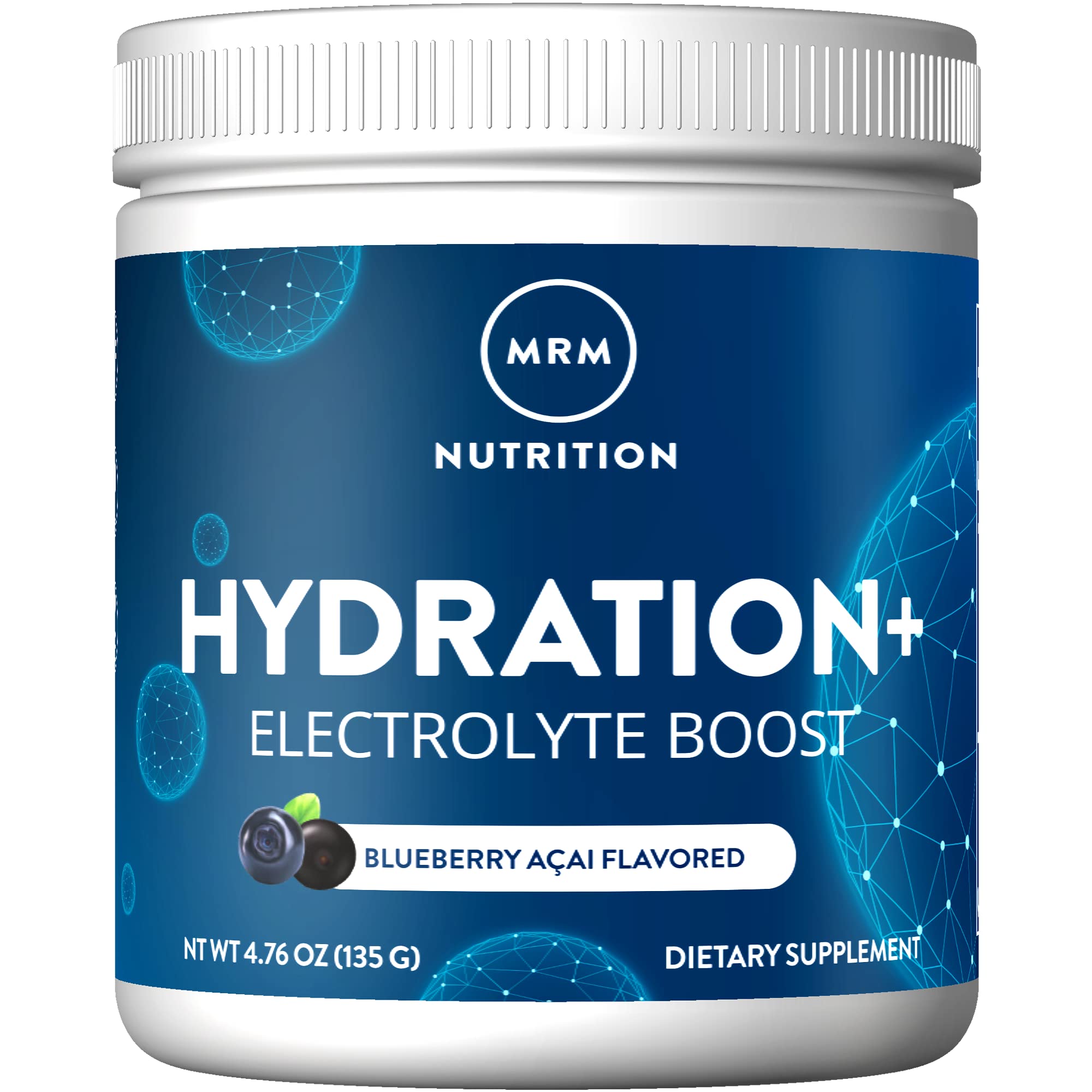
MRM Nutrition
Hydration+ (Blueberry Acai)
🛡️ for Immune
57
Trace Minerals
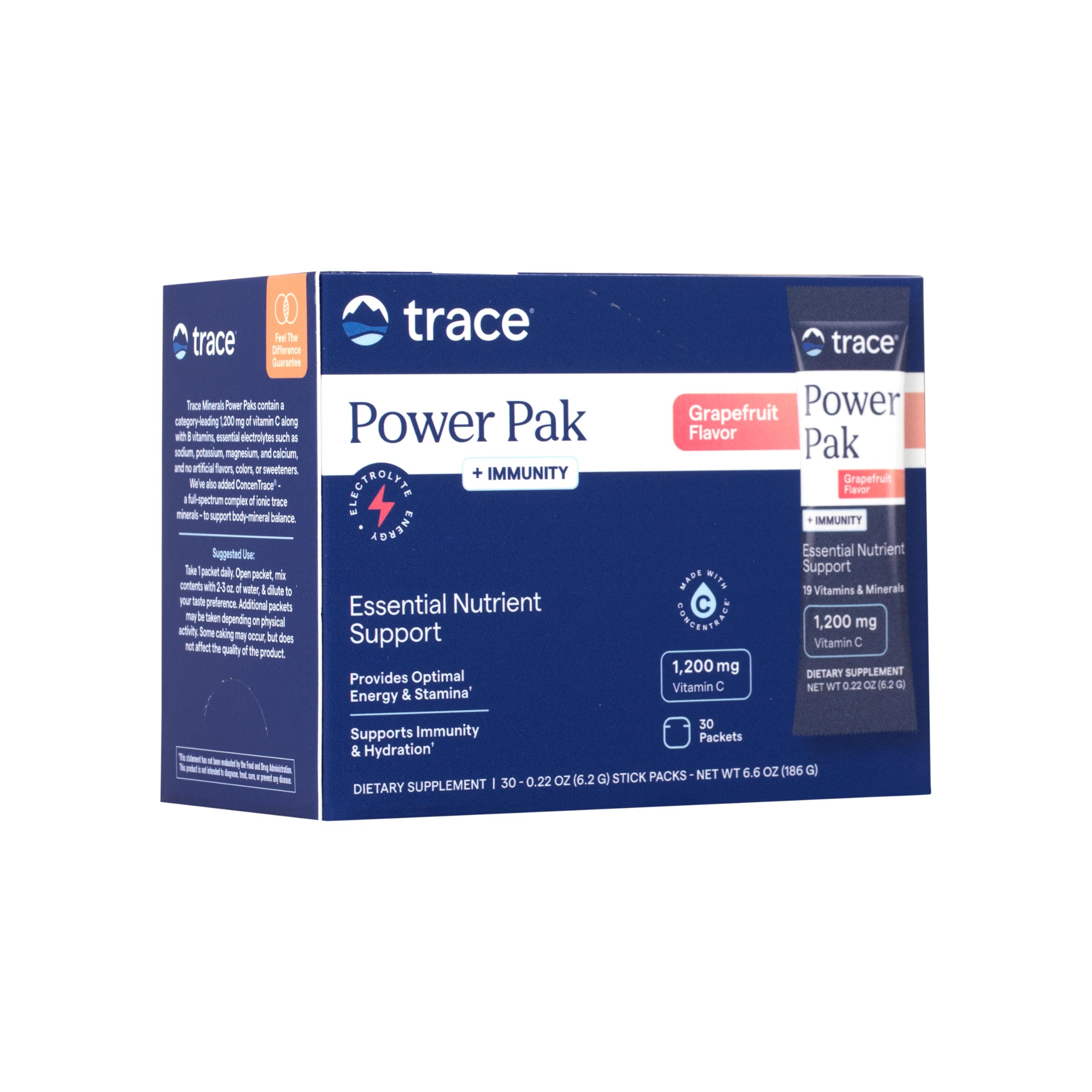
Power Pak Electrolyte + Immunity (Grapefruit)
🛡️ for Immune
49
Sources & Scoring
Nutrient data (RDA, UL, and safety thresholds) sourced from the NIH Office of Dietary Supplements and the National Academies Dietary Reference Intakes (DRI).
This is not medical advice. Consult a healthcare provider before making changes to your supplement routine.
The score analyzes what's on the label: ingredient doses vs. studied ranges, chemical forms, evidence levels, and known interactions. It does not verify label accuracy or test for contaminants — for that, look for third-party certifications like USP or NSF.