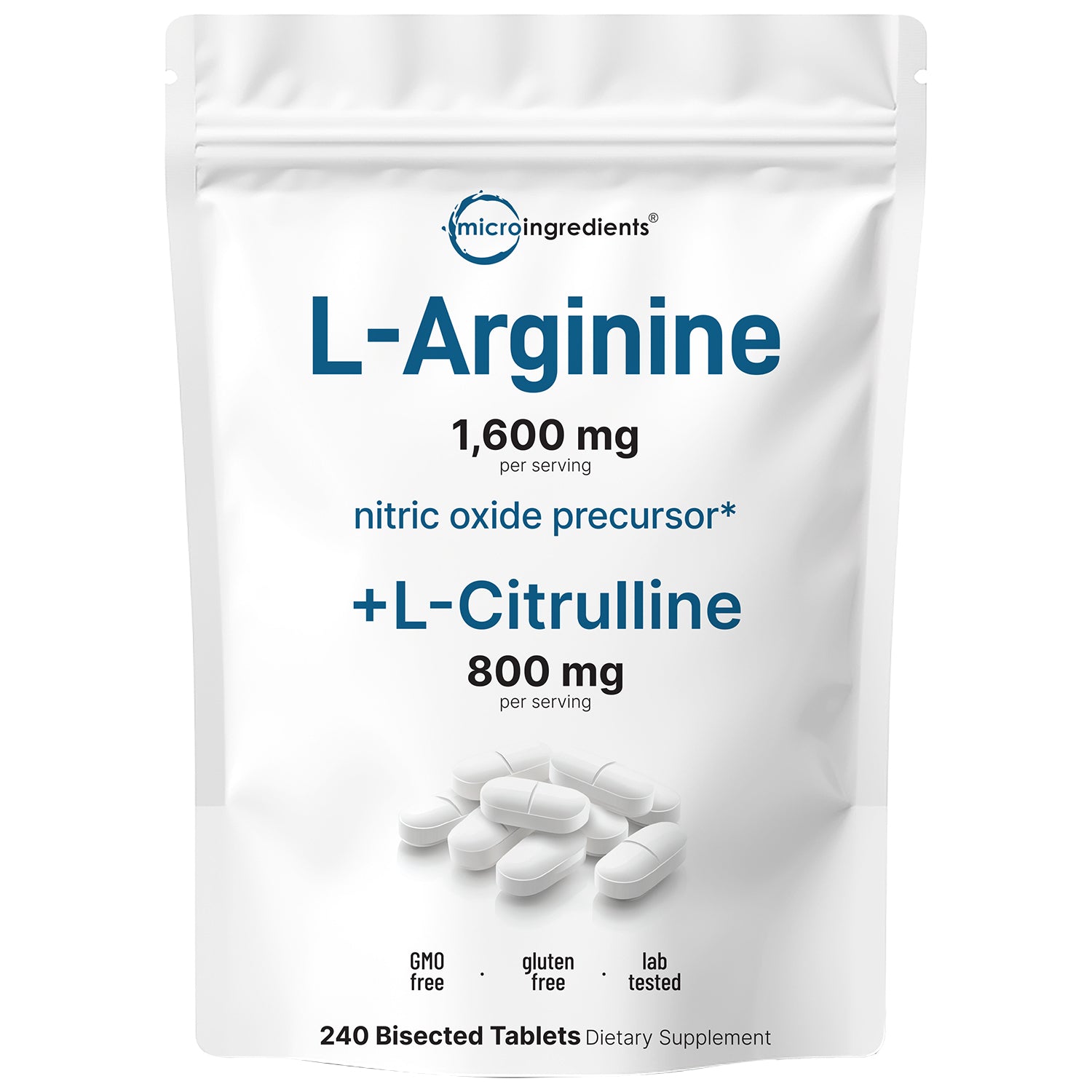
Micro Ingredients Nitric Oxide Booster targets blood flow and circulation with 2,400mg of **L-arginine** per 3-tablet serving, which clears the 2,000mg clinical minimum studied for cardiovascular benefit. The "3,600mg" on the label is the two amino acids added together, not a single dose — and the **L-citrulline** side is where it falls short. At 1,200mg you're getting about 40% of the 3,000mg minimum that nitric-oxide and blood-flow research relies on.
L-citrulline is actually the more reliable route to nitric oxide, since your body converts it into arginine and it raises blood arginine levels more steadily, which is why the two are usually paired. That pairing works in your favor for the arginine you're getting here, but at this dose the citrulline isn't high enough to pull real weight on its own.
For everyday circulation support, the arginine does genuine work at the label's 3-tablet serving. If your goal is an exercise pump or endurance, though, you'd need to roughly double the citrulline to reach the studied range, so this leans more toward general blood-flow support than performance.
BioStacks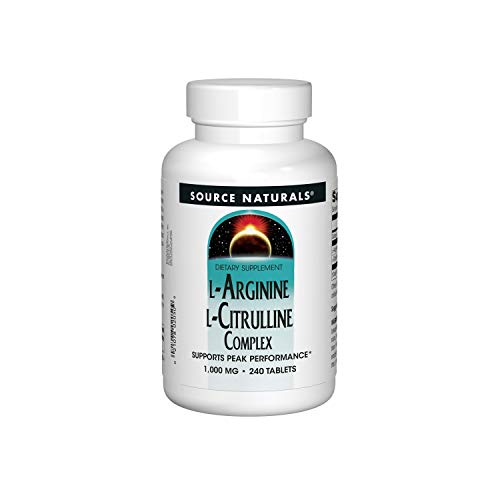
Best for
Ingredients (2)
L-Arginine
100%Dose
2400 mg
Target
2000–6000 mg
Form
—
L-Citrulline
40%Dose
1200 mg
Target
3000–6000 mg
Form
—
Other Ingredients (4)
Coating (unspecified)Coating
Generic tablet coating declaration where the label does not itemize the coating's components; modern aqueous film coatings are typically cellulose-based (HPMC) with a plasticizer
Magnesium StearateLubricant
A salt of stearic acid used as a lubricant in tablet and capsule production
Croscarmellose SodiumDisintegrant
Cross-linked cellulose derivative used as a superdisintegrant
Microcrystalline CelluloseBinder
Plant-derived cellulose used as a binder and filler in supplements
How to Take It
Take it anytime
Take between meals — food blunts the rise in plasma arginine.
On an empty stomach
On the label
Take 3 tablets daily.
General guidance based on the ingredients, not a substitute for the label or your doctor.
Price Check
$27.95
Pricier than 80% of 64 arginine supplements
Track this supplement in your stack
Get personalized insights, interactions, and coverage recommendations.
Get Started FreeSimilar Supplements
Source Naturals
L-Arginine L-Citrulline Complex
❤️ for Heart
63
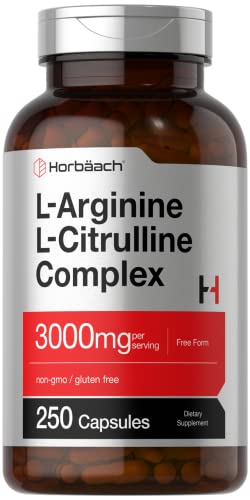
Horbäach
L-Arginine L-Citrulline Complex 3000mg
❤️ for Heart
61
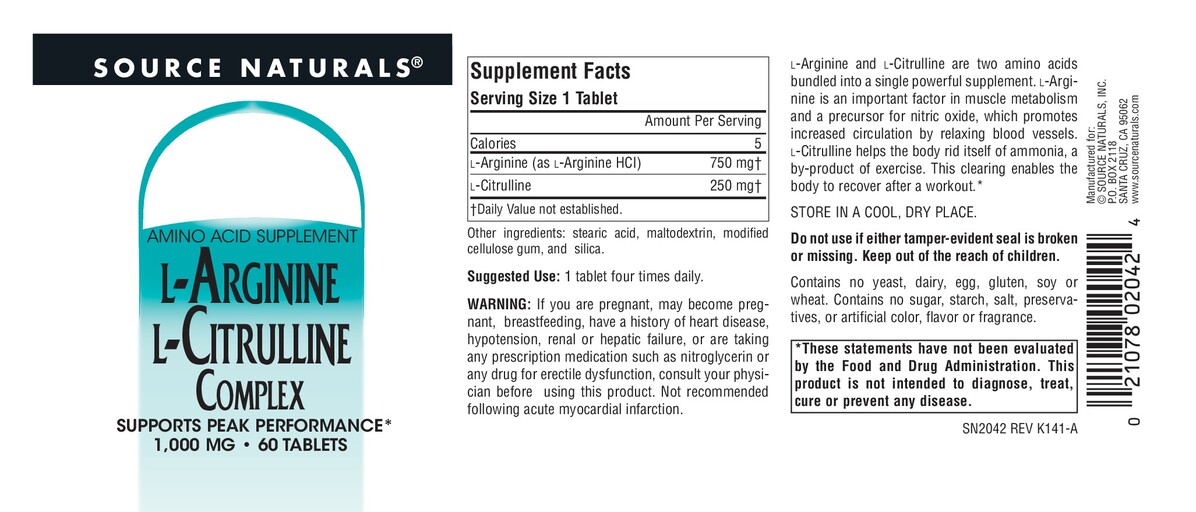
Source Naturals
L-Arginine L-Citrulline Complex 1,000 mg
❤️ for Heart
57
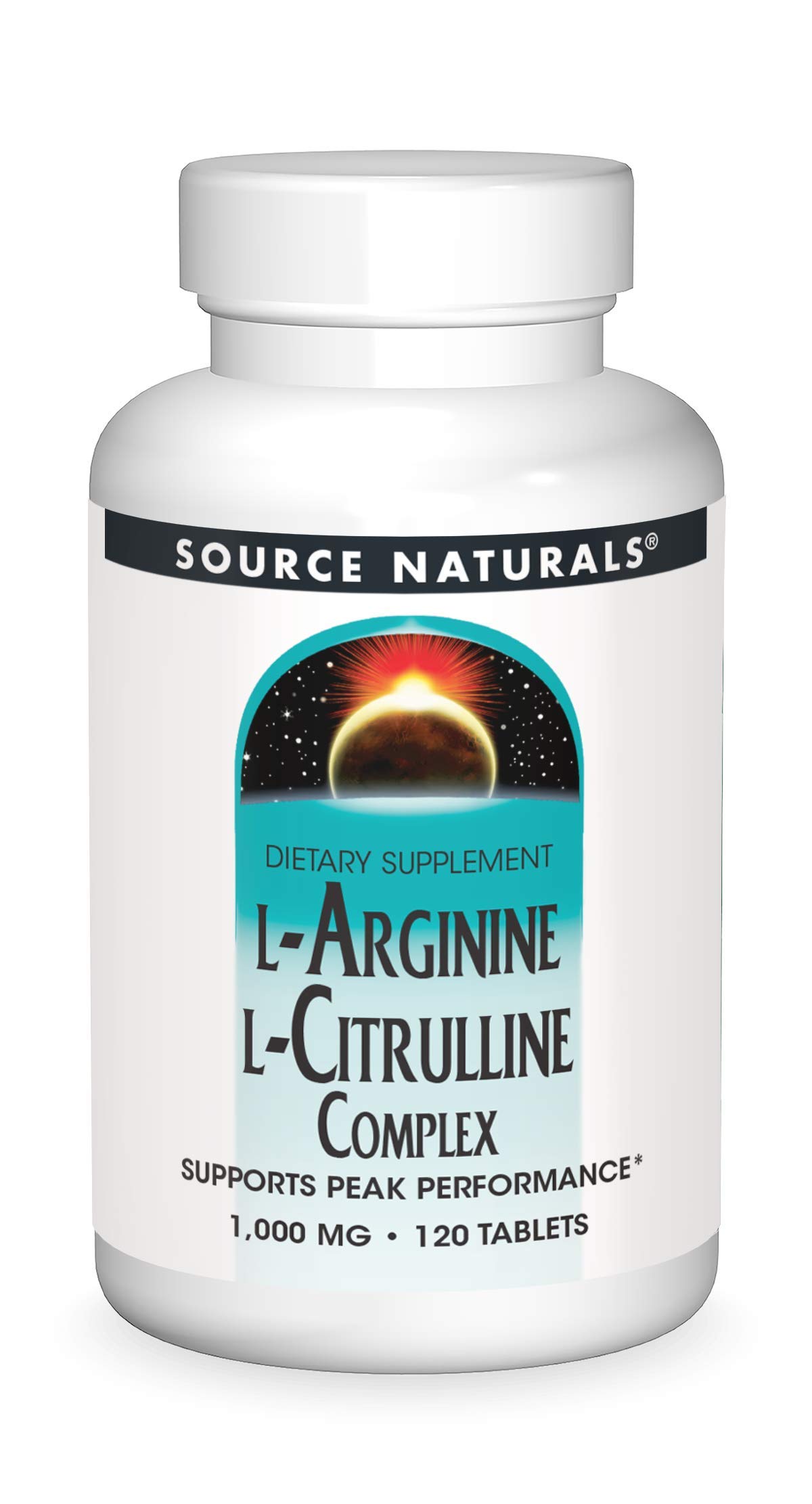
Source Naturals
L-Arginine L-Citrulline Complex 1000 mg
❤️ for Heart
57
Micro Ingredients
L-Arginine + L-Citrulline
❤️ for Heart
45
Sources & Scoring
Nutrient data (RDA, UL, and safety thresholds) sourced from the NIH Office of Dietary Supplements and the National Academies Dietary Reference Intakes (DRI).
This is not medical advice. Consult a healthcare provider before making changes to your supplement routine.
The score analyzes what's on the label: ingredient doses vs. studied ranges, chemical forms, evidence levels, and known interactions. It does not verify label accuracy or test for contaminants — for that, look for third-party certifications like USP or NSF.