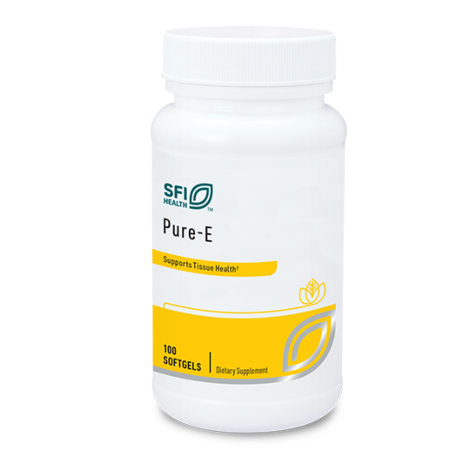
This **Vitamin E** delivers 1,000 IU (670mg) of natural d-alpha-tocopherol per two-softgel serving — well above the 100–400 IU range where antioxidant and circulatory benefits actually show up in research. The natural d-alpha form is the well-absorbed one, so you're getting quality, just far more than the studied effective dose.
The real issue is the dose. Large meta-analyses link vitamin E at or above 400 IU per day to higher all-cause mortality and a greater risk of hemorrhagic (bleeding) stroke, and it can add to the effect of blood thinners. At 1,000 IU you're roughly 2.5x past the top of the beneficial range, into the territory those studies flag.
It's also alpha-only, with no mixed tocopherols or tocotrienols for broader antioxidant coverage. For most people, a 100–400 IU mixed-tocopherol product lines up better with both the evidence and the safety data.
BioStacks
Best for
Ingredients (1)
Vitamin E
100%Dose
670 mg
Target
50–268 mg
Form
Premium
Other Ingredients (1)
SoftgelCapsule
One-piece gelatin capsule shell with a plasticizer (typically glycerin), used to encapsulate liquid or oil-based supplements
How to Take It
Take it anytime
Fat-soluble — take with a meal containing fat for better absorption. Time of day doesn't matter.
With a meal containing fat
On the label
As a dietary supplement, take 2 softgels daily.
General guidance based on the ingredients, not a substitute for the label or your doctor.
Price Check
$24.95
Near the median of 146 vitamin E supplements
Track this supplement in your stack
Get personalized insights, interactions, and coverage recommendations.
Get Started FreeSimilar Supplements
Sources & Scoring
Nutrient data (RDA, UL, and safety thresholds) sourced from the NIH Office of Dietary Supplements and the National Academies Dietary Reference Intakes (DRI).
This is not medical advice. Consult a healthcare provider before making changes to your supplement routine.
The score analyzes what's on the label: ingredient doses vs. studied ranges, chemical forms, evidence levels, and known interactions. It does not verify label accuracy or test for contaminants — for that, look for third-party certifications like USP or NSF.