BioStacks
Best for
Ingredients (2)
Sodium
100%Dose
11600 mg
Target
300–1000 mg
Form
—
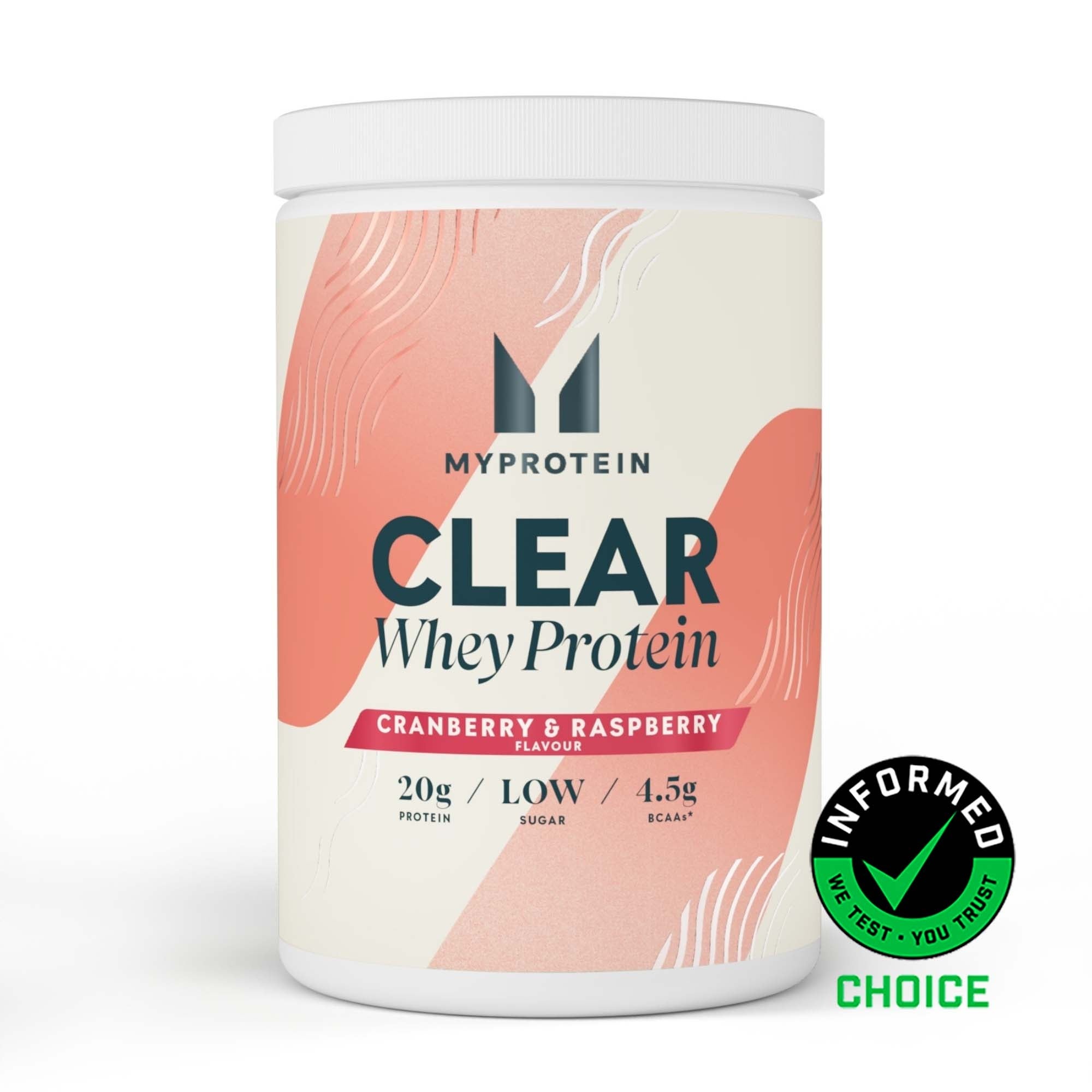
Whey Protein
100%Dose
20 g
Target
20–30 g
Form
Not listed
Other Ingredients (7)
DimethylpolysiloxaneAnti-foaming
Silicone-based anti-foaming agent used in food and supplement processing
Fruit Juice (unspecified)Colorant
Juice or juice concentrate used primarily for natural color and flavor in gummies
Fruit Juice (unspecified)Colorant
Juice or juice concentrate used primarily for natural color and flavor in gummies
Natural FlavorsFlavor
Broad regulatory category of flavor constituents derived from natural sources. Composition is proprietary and not disclosed — 'Natural Flavors' can include several hundred different compounds depending on the target flavor profile, including hexane-extracted constituents and proprietary carrier solvents. 'Natural' is a regulatory definition (21 CFR §101.22), not a safety guarantee.
Citric AcidAcidulant
Natural acid derived from citrus fruits
Stevia ExtractSweetener
Zero-calorie natural sweetener extracted from the leaves of Stevia rebaudiana
Raspberry Juice Powder (2%)
Not reviewed yet
How to Take It
Take it anytime
Total daily protein is what matters — the post-workout "anabolic window" has not held up in controlled trials.
With or without food
On the label
Mix 28g (approx. 1 scoop) with 400ml of cold water. Add more or less water to alter the flavour and sweetness intensity, as desired. After shaking, wait for the natural foaming to settle. Powder settles over time, we recommend weighing for the most accurate measure.
General guidance based on the ingredients, not a substitute for the label or your doctor.
Price Check
£23.49≈ $29.83
Cheaper than 90% of 119 whey protein supplements
Track this supplement in your stack
Get personalized insights, interactions, and coverage recommendations.
Get Started FreeSimilar Supplements
Sources & Scoring
Nutrient data (RDA, UL, and safety thresholds) sourced from the NIH Office of Dietary Supplements and the National Academies Dietary Reference Intakes (DRI).
This is not medical advice. Consult a healthcare provider before making changes to your supplement routine.
The score analyzes what's on the label: ingredient doses vs. studied ranges, chemical forms, evidence levels, and known interactions. It does not verify label accuracy or test for contaminants — for that, look for third-party certifications like USP or NSF.