BioStacksAsk AI about this product
What it does
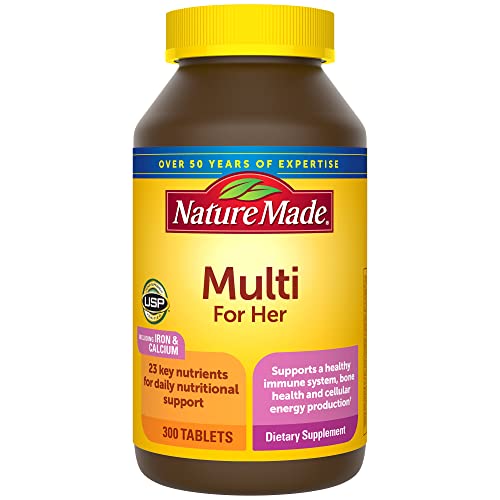
A multivitamin and mineral formula.
Vitamin B7
Form not confirmedGrade —
Supports normal fat and amino-acid metabolism; hair-growth benefits without deficiency have not been established.
Boron
Form not confirmedGrade —
Studied for bone and hormone support, but reliable benefits in people remain uncertain.
Ingredients (24)
Other ingredients
Sodium BorateBuffer
Classified as a Substance of Very High Concern (SVHC) under EU REACH for reproductive toxicity (Category 1B — may damage fertility and the unborn child). EFSA's tolerable upper intake from total boron exposure is 10 mg/day for adults; sodium borate dosing must stay well below this. Acute oral toxicity is moderate (lethal dose ~5–20 g in adults), but the chronic-exposure reproductive endpoint is the binding constraint. Largely phased out of modern supplements and personal care in favor of safer buffers (citrate, phosphate). If a current product lists sodium borate, the inclusion warrants scrutiny — there are safer alternatives for every excipient function it provides.
Silicon DioxideAnti-caking
Fine silica powder used to prevent clumping
Natural Color (unspecified)Colorant
Umbrella declaration for a colorant from a natural source (fruit, vegetable, or plant extract) that the label does not name specifically
Microcrystalline CelluloseBinder
Plant-derived cellulose used as a binder and filler in supplements
Microcrystalline CelluloseBinder
Plant-derived cellulose used as a binder and filler in supplements
PotassiumMineral
Essential mineral naturally present in many plant-based supplement ingredients
Chromium Chloride
Not reviewed yet
Lab testing
How to take it
With a meal containing fat
Keep it away from high-oxalate foods like spinach, coffee and tea
Space it a couple of hours from Green Tea Leaf Extract
On the label
Consume 1 tablet daily. Best taken with food. Take two tablets daily with food.
Price check
£5.39≈ $6.85 USD
£0.06 / serving
Cheaper than 97% of 798 multivitamins
Similar products
Sources & Scoring
Nutrient data (RDA, UL, and safety thresholds) sourced from the NIH Office of Dietary Supplements and the National Academies Dietary Reference Intakes (DRI).
This is not medical advice. Consult a healthcare provider before making changes to your supplement routine.
The score analyzes what's on the label: ingredient doses vs. studied ranges, chemical forms, evidence levels, and known interactions. It does not verify label accuracy or test for contaminants — for that, look for third-party certifications like USP or NSF.
Not medical advice. Consult your healthcare professional.