BioStacks
Other Ingredients (5)
CarboxymethylcelluloseThickener
Carboxymethylcellulose was the second emulsifier (with polysorbate 80) in Chassaing et al. 2015 (Nature, PMID 25731162), which showed mucus-barrier thinning, a microbiota shift toward pro-inflammatory species, low-grade inflammation, and metabolic syndrome in mice. Chassaing 2022 (Gastroenterology, PMID 34774538) tested CMC directly in a randomized controlled human feeding trial and found reduced microbial diversity and bacterial encroachment into the normally sterile mucus layer in a susceptible subset of participants. EFSA's 2018 re-evaluation could not establish a safe level due to data gaps. For a purely textural excipient, the gut-barrier risk profile is unfavorable when safer thickeners are widely available.
Magnesium StearateLubricant
A salt of stearic acid used as a lubricant in tablet and capsule production
Silicon DioxideAnti-caking
Fine silica powder used to prevent clumping
Microcrystalline CelluloseBinder
Plant-derived cellulose used as a binder and filler in supplements
Stearic AcidLubricant
Saturated fatty acid used as tablet lubricant
How to Take It
Best taken in the evening
Take 30–60 minutes before bed. It's a circadian signal, not a daytime supplement. Vitamin B6 is easier on the stomach taken with food.
With food
On the label
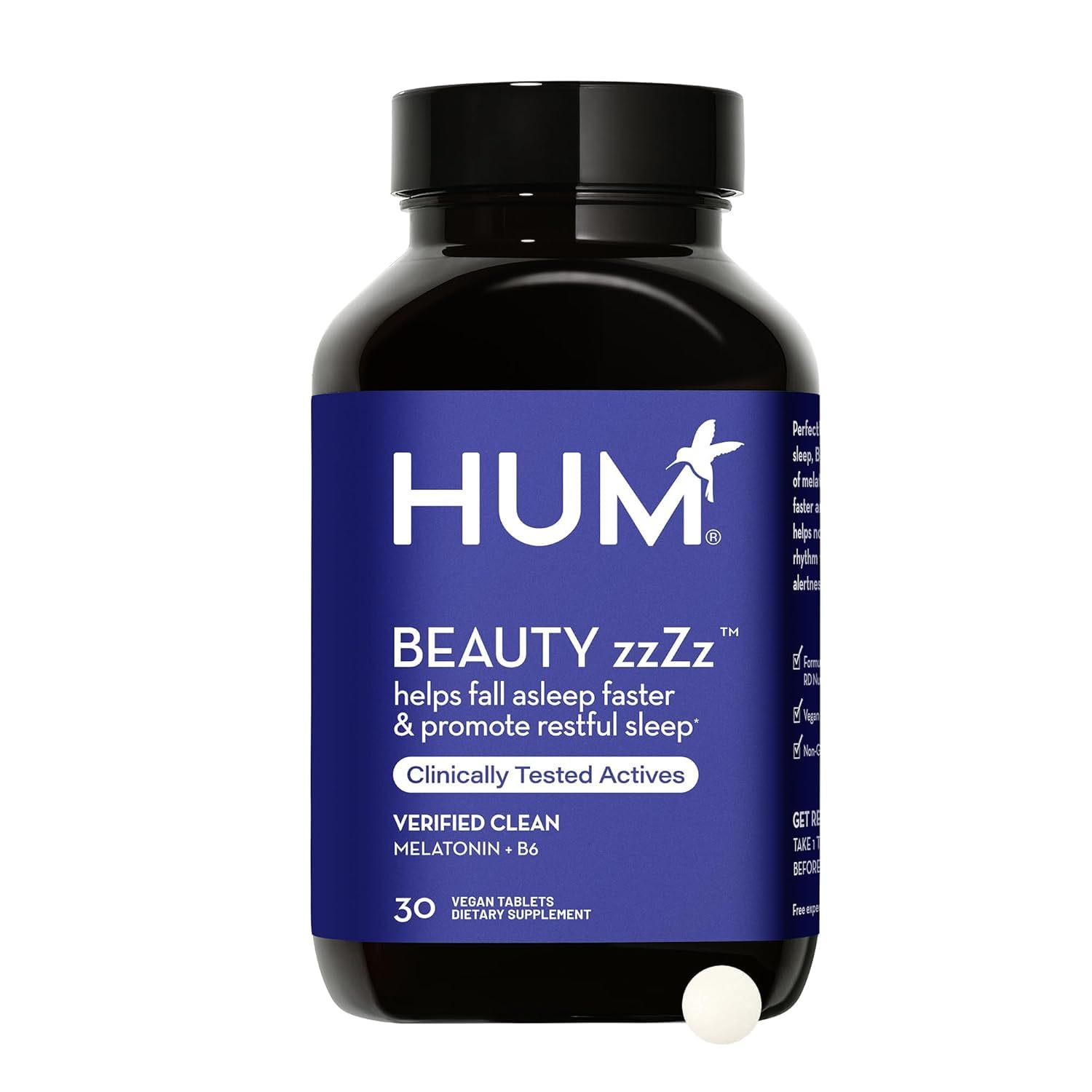
Adults, take 1 tablet 30 minutes before bedtime.
General guidance based on the ingredients, not a substitute for the label or your doctor.
Price Check
$7.79
Cheaper than 85% of 203 melatonin supplements
Track this supplement in your stack
Get personalized insights, interactions, and coverage recommendations.
Get Started FreeSimilar Supplements
Sources & Scoring
Nutrient data (RDA, UL, and safety thresholds) sourced from the NIH Office of Dietary Supplements and the National Academies Dietary Reference Intakes (DRI).
This is not medical advice. Consult a healthcare provider before making changes to your supplement routine.
The score analyzes what's on the label: ingredient doses vs. studied ranges, chemical forms, evidence levels, and known interactions. It does not verify label accuracy or test for contaminants — for that, look for third-party certifications like USP or NSF.