BioStacks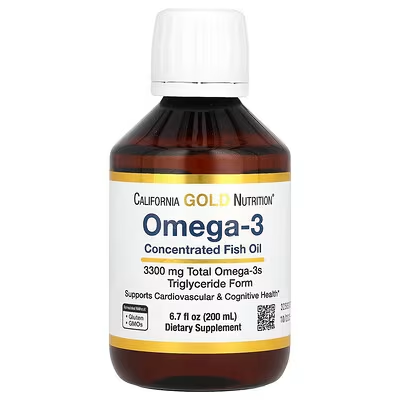
Best for
Ingredients (4)
Docosahexaenoic Acid (DHA)
100%Dose
288 mg
Target
250–1000 mg
Form
—
Microalgae Schizochytrium Oil
75%Dose
750 mg
Target
1000–3000 mg
Form
—
Omega-3 Fatty Acids
30%Dose
295 mg
Target
1000–3000 mg
Form
Not listed
Eicosapentaenoic Acid (EPA)
1%Dose
7 mg
Target
500–2000 mg
Form
—
Other Ingredients (4)
CarrageenanThickener
Can break down into poligeenan (a known inflammatory) under stomach acid conditions. Tobacman (2001, Environmental Health Perspectives) reviewed evidence linking carrageenan to intestinal inflammation and ulceration. Major food brands (Silk, Stonyfield) have voluntarily removed it. Used only as a thickener — provides no health benefit.
GlycerinHumectant
Sweet-tasting liquid used in soft capsules and liquids
StarchBinder
Carbohydrate polymer used as a binder, filler, and disintegrant in tablets and capsules
Mixed TocopherolsAntioxidant
Natural vitamin E used as preservative
How to Take It
Take it anytime
Take with a meal — absorption improves with dietary fat and it prevents fishy burps.
With food
On the label
Take 1 softgel per day or as directed by your health-care practitioner.
General guidance based on the ingredients, not a substitute for the label or your doctor.
Price Check
$15.37
Cheaper than 90% of 103 DHA supplements
Track this supplement in your stack
Get personalized insights, interactions, and coverage recommendations.
Get Started FreeSimilar Supplements
Momentous
Omega-3
❤️ for Heart
100
California Gold Nutrition
Norwegian Extra Strength Omega 3 Fish Oil, Natural Lemon, 6.7 fl oz (200 ml)
❤️ for Heart
99
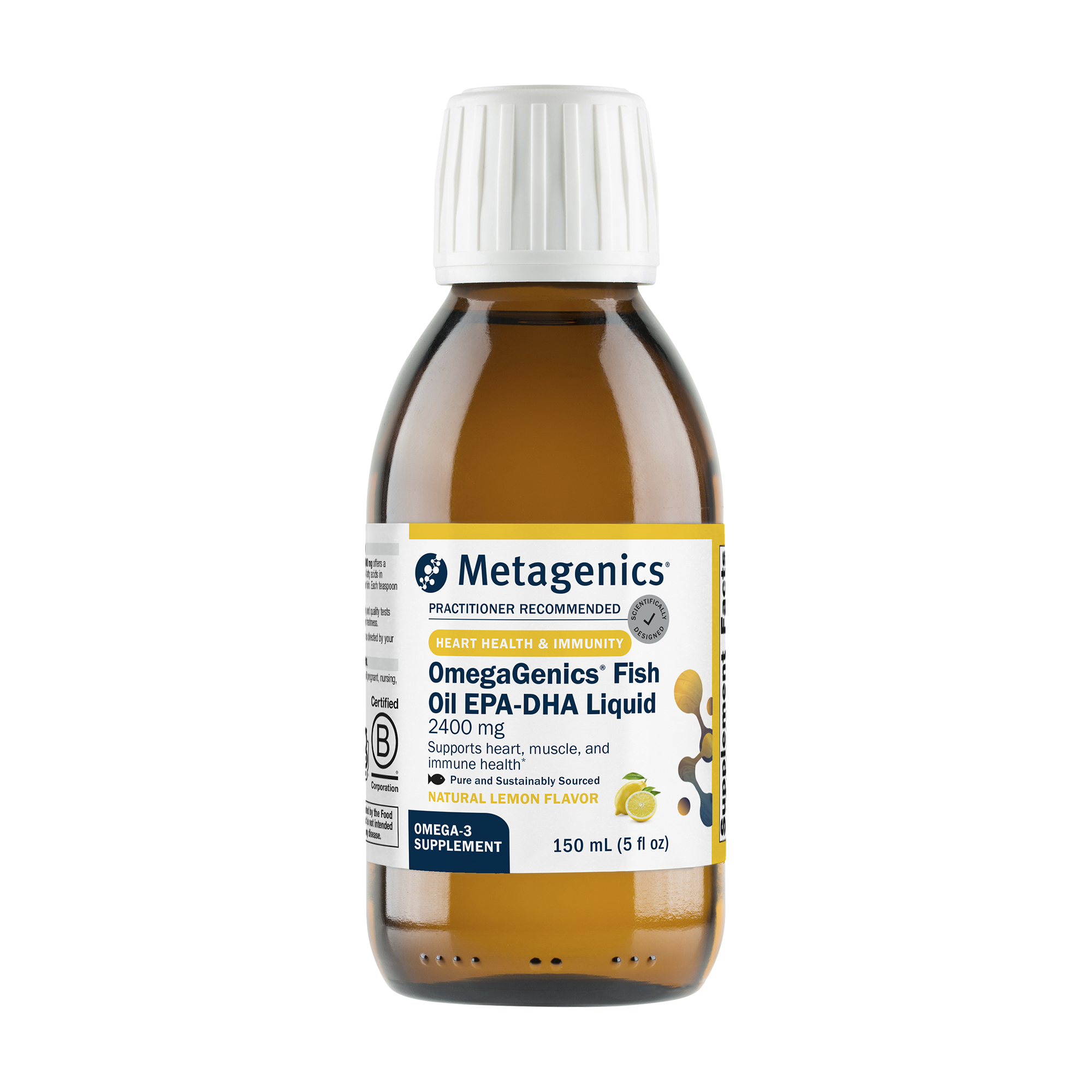
Metagenics
OmegaGenics Fish Oil EPA-DHA 2400 mg (Lemon)
❤️ for Heart
99
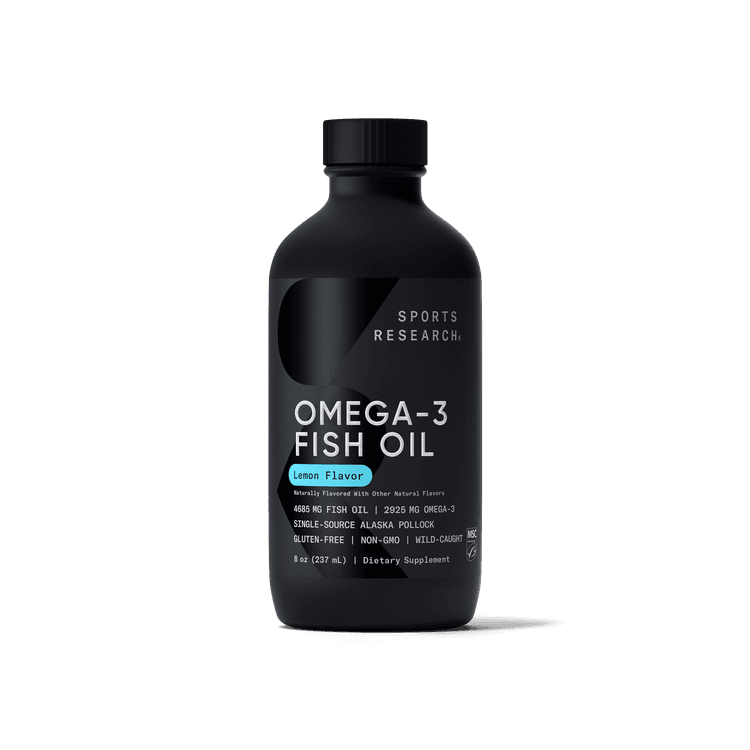
Sports Research
Omega-3 Fish Oil Liquid (Lemon Flavor)
❤️ for Heart
99
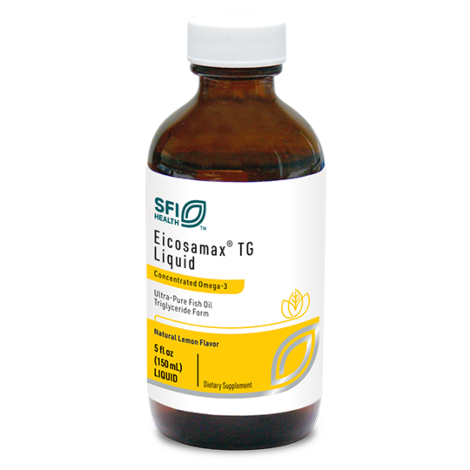
SFI Health
Eicosamax TG Liquid Natural Lemon Flavor
❤️ for Heart
98
Sources & Scoring
Nutrient data (RDA, UL, and safety thresholds) sourced from the NIH Office of Dietary Supplements and the National Academies Dietary Reference Intakes (DRI).
This is not medical advice. Consult a healthcare provider before making changes to your supplement routine.
The score analyzes what's on the label: ingredient doses vs. studied ranges, chemical forms, evidence levels, and known interactions. It does not verify label accuracy or test for contaminants — for that, look for third-party certifications like USP or NSF.