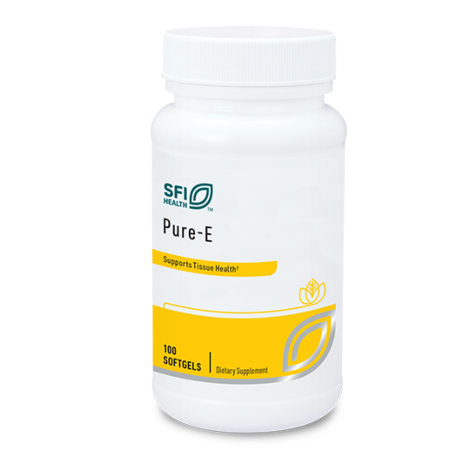
At 400 IU of natural **d-alpha-tocopherol**, this hits a full antioxidant dose for cellular and liver protection, right at the top of the typical supplemental range. The natural d- form matters here: your body absorbs about twice as much as it would from synthetic vitamin E, so the label dose is the dose you actually get.
It also adds a small 10mg blend of mixed tocopherols — gamma, delta, and beta — which broadens antioxidant coverage beyond what alpha-tocopherol offers alone. It's still primarily an alpha product, but that addition rounds out the spectrum.
Worth knowing: 400 IU sits right at the threshold where some long-term studies have flagged a small risk increase with high-dose vitamin E. You're at that line, not above it, so this is a sensible ceiling to hold rather than exceed if you take it daily.
BioStacks
Best for
Ingredients (2)
Vitamin E
100%Dose
266.7 mg
Target
50–268 mg
Form
Premium
Mixed Tocopherols
20%Dose
10 mg
Target
50–268 mg
Form
Premium
Other Ingredients (2)
SoftgelCapsule
One-piece gelatin capsule shell with a plasticizer (typically glycerin), used to encapsulate liquid or oil-based supplements
Vegetable OilCarrier
Edible oils used as carriers in softgels and as processing aids
How to Take It
Take it anytime
Fat-soluble — take with a meal containing fat for better absorption. Time of day doesn't matter.
With a meal containing fat
On the label
Suggested Usage: 1 softgel, 1-2 times per day or as directed by a health professional.
General guidance based on the ingredients, not a substitute for the label or your doctor.
Price Check
No price yet
What 146 vitamin E supplements cost
Track this supplement in your stack
Get personalized insights, interactions, and coverage recommendations.
Get Started FreeSimilar Supplements
Sources & Scoring
Nutrient data (RDA, UL, and safety thresholds) sourced from the NIH Office of Dietary Supplements and the National Academies Dietary Reference Intakes (DRI).
This is not medical advice. Consult a healthcare provider before making changes to your supplement routine.
The score analyzes what's on the label: ingredient doses vs. studied ranges, chemical forms, evidence levels, and known interactions. It does not verify label accuracy or test for contaminants — for that, look for third-party certifications like USP or NSF.