BioStacks
Ingredients (7)
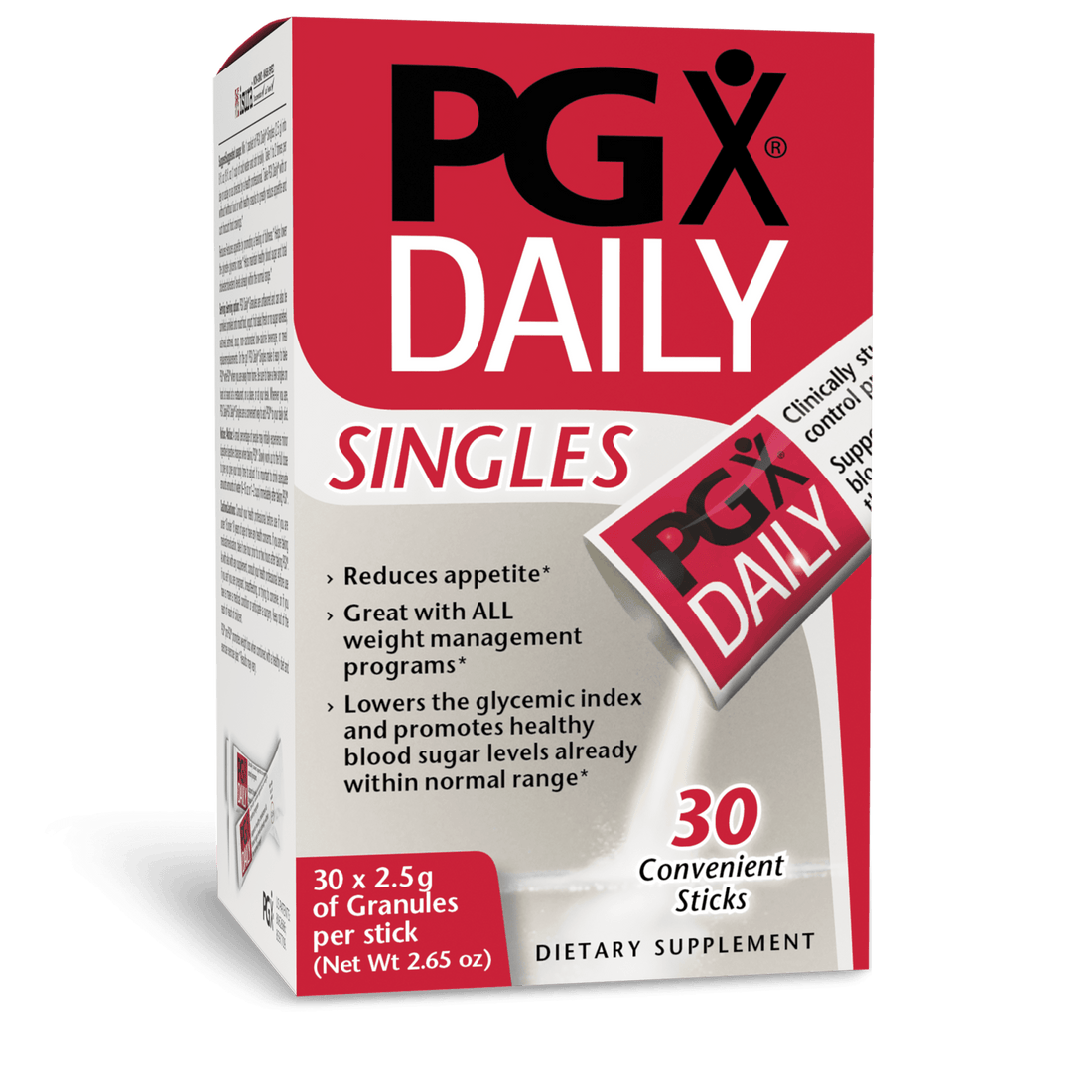
PGX
75%Dose
2250 mg
Target
3000–4000 mg
Form
—
Medium Chain Triglycerides
36%Dose
1800 mg
Target
5000–15000 mg
Form
Premium
Dietary Fiber
20%Dose
2 g
Target
10–30 g
Form
—
Soluble Fiber
20%Dose
2 g
Target
10–30 g
Form
—
Konjac-mannan
Amount not found
Nutrition
Calories, macros & sodium.
- Sodium60 mg
Other Ingredients (7)
AnnattoColorant
Natural yellow-orange colorant derived from the seeds of the achiote tree (Bixa orellana)
CarobFlavor
Roasted powder from carob tree pods, used as a caffeine-free chocolate/cocoa substitute for flavor and brown color
GelatinCapsule
Protein derived from collagen, used in traditional capsule shells
GlycerinHumectant
Sweet-tasting liquid used in soft capsules and liquids
Purified WaterSolvent
Water meeting USP specifications used as solvent/vehicle in gummies and liquids
Sunflower LecithinEmulsifier
Non-GMO, non-allergenic emulsifier derived from sunflower seeds
BeeswaxCoating
Natural wax produced by honeybees, used as a coating and binding agent in softgels and tablets
How to Take It
Take it anytime
Take with plenty of water. Fiber binds other things in the gut, so give it a 1–2 hour gap either side.
With food
Keep it away from medication and mineral supplements
On the label
PGX Daily® softgels can be taken with or before food with a glass of water (8–16 oz. or 1–2 cups) per day or as directed by a health care professional. Week 1: 1 softgel, 3 times daily. Week 2: 2 softgels, 3 times daily. Week 3 and beyond: 3 softgels, 3-4 times daily.
General guidance based on the ingredients, not a substitute for the label or your doctor.
Price Check
$39.95
Pricier than 99% of 12 konjac root fiber supplements
Track this supplement in your stack
Get personalized insights, interactions, and coverage recommendations.
Get Started FreeSimilar Supplements
Sources & Scoring
Nutrient data (RDA, UL, and safety thresholds) sourced from the NIH Office of Dietary Supplements and the National Academies Dietary Reference Intakes (DRI).
This is not medical advice. Consult a healthcare provider before making changes to your supplement routine.
The score analyzes what's on the label: ingredient doses vs. studied ranges, chemical forms, evidence levels, and known interactions. It does not verify label accuracy or test for contaminants — for that, look for third-party certifications like USP or NSF.