BioStacksAsk AI about this product
What it does
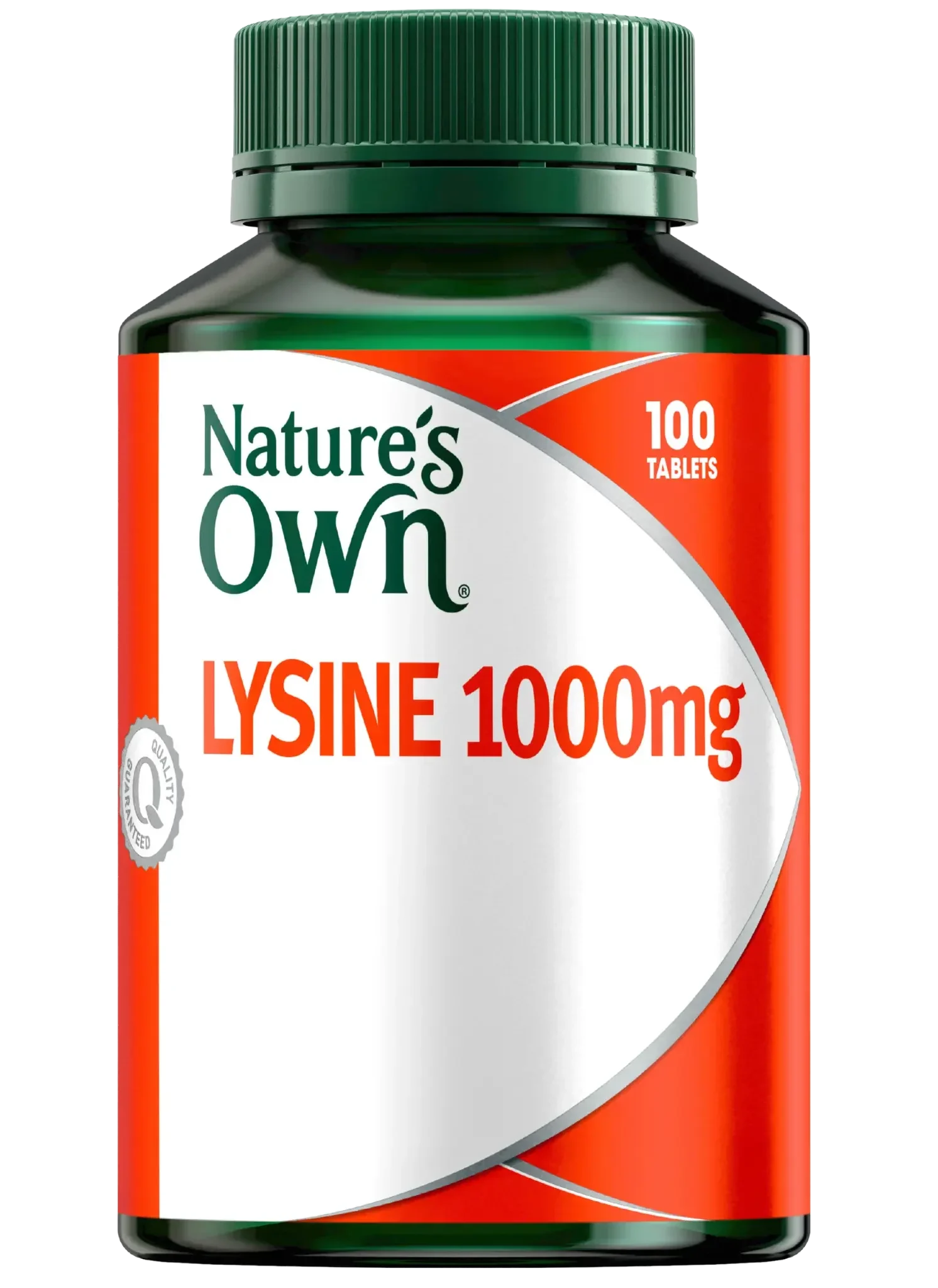
Lysine
Form not confirmedGrade —
Needed for normal protein production and tissue maintenance; benefits from extra lysine depend on nutritional and health context.
Ingredients (1)
Other ingredients
Magnesium StearateLubricant
A salt of stearic acid used as a lubricant in tablet and capsule production
Polyethylene Glycol (Coating)Coating
A polyether polymer used as a tablet coating and plasticizer
Silicon DioxideAnti-caking
Fine silica powder used to prevent clumping
Microcrystalline CelluloseBinder
Plant-derived cellulose used as a binder and filler in supplements
Croscarmellose SodiumDisintegrant
Cross-linked cellulose derivative used as a superdisintegrant
HypromelloseCapsule
Plant-derived capsule material from cellulose
Microcrystalline CelluloseBinder
Plant-derived cellulose used as a binder and filler in supplements
Stearic AcidLubricant
Saturated fatty acid used as tablet lubricant
Lab testing
How to take it
On an empty stomach
On the label
Take one tablet daily with a meal. For easier swallowing, take with water before and during ingestion.
Labels usually say “with food” because it's gentler on the stomach, not because it absorbs better. Fasted absorbs more — start there, and switch to a light meal if it bothers you.
Price check
$8.15
$0.14 / serving
Cheaper than 87% of 53 lysine supplements
Similar products
Sources & Scoring
Nutrient data (RDA, UL, and safety thresholds) sourced from the NIH Office of Dietary Supplements and the National Academies Dietary Reference Intakes (DRI).
This is not medical advice. Consult a healthcare provider before making changes to your supplement routine.
The score analyzes what's on the label: ingredient doses vs. studied ranges, chemical forms, evidence levels, and known interactions. It does not verify label accuracy or test for contaminants — for that, look for third-party certifications like USP or NSF.
Not medical advice. Consult your healthcare professional.