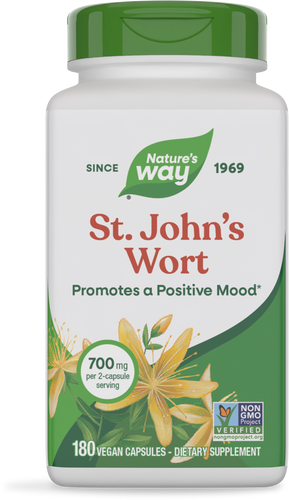
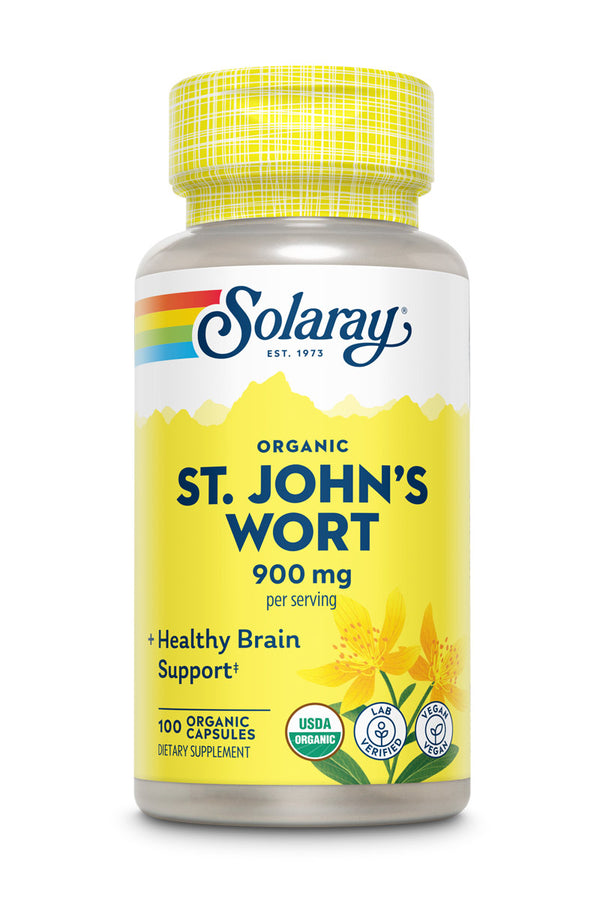
Positioned for low mood and emotional balance, this **St. John's Wort** provides 700mg of whole herb per serving — but with no standardization to hypericin or hyperforin listed, the part that drives the evidence is left unverified. That evidence — a Cochrane review of 29 trials rating it comparable to SSRIs for mild-to-moderate depression — used standardized extracts (0.3% hypericin), not whole herb.
More important than the dose: this is one of the most interaction-heavy supplements you can take. It speeds up how your liver clears medications, which can weaken birth control pills, blood thinners, immunosuppressants, and HIV drugs — and combined with SSRIs or other antidepressants, it raises the risk of serotonin syndrome.
If you take any prescription medication, clear it with your doctor first. It may genuinely help mild low mood, but mainly as a standardized extract — and only when nothing it can interfere with is in play.
BioStacks
Best for
Ingredients (1)
St. John's Wort
100%Dose/day
1400 mg
Target
600–1200 mg
Form
Not listed
Other Ingredients (2)
Microcrystalline CelluloseBinder
Plant-derived cellulose used as a binder and filler in supplements
Capsule ShellCapsule
Generic capsule shell where the label does not specify the material. Common materials are hypromellose (HPMC) for vegetarian capsules and gelatin for traditional capsules — both are GRAS-listed and safe. Fish gelatin and pullulan variants also exist.
How to Take It
Best taken in the morning
Take earlier in the day with food. Check the conflicts below — it interacts seriously with serotonergic compounds.
With food
Label directs 2 servings — keep one for the morning
On the label
Recommendation: Take 2 capsules twice daily. For best results use for at least 2 months.
Do not combine with 5-HTP, SAMe or Tryptophan
Each of these raises serotonin activity on top of St. John's Wort, and together they can trigger serotonin syndrome — agitation, rapid heartbeat, raised blood pressure. Not without medical supervision.
General guidance based on the ingredients, not a substitute for the label or your doctor.
Price Check
No price yet
What 24 st. john's wort supplements cost
Track this supplement in your stack
Get personalized insights, interactions, and coverage recommendations.
Get Started FreeSimilar Supplements
Sources & Scoring
Nutrient data (RDA, UL, and safety thresholds) sourced from the NIH Office of Dietary Supplements and the National Academies Dietary Reference Intakes (DRI).
This is not medical advice. Consult a healthcare provider before making changes to your supplement routine.
The score analyzes what's on the label: ingredient doses vs. studied ranges, chemical forms, evidence levels, and known interactions. It does not verify label accuracy or test for contaminants — for that, look for third-party certifications like USP or NSF.