BioStacks
Best for
Ingredients (1)
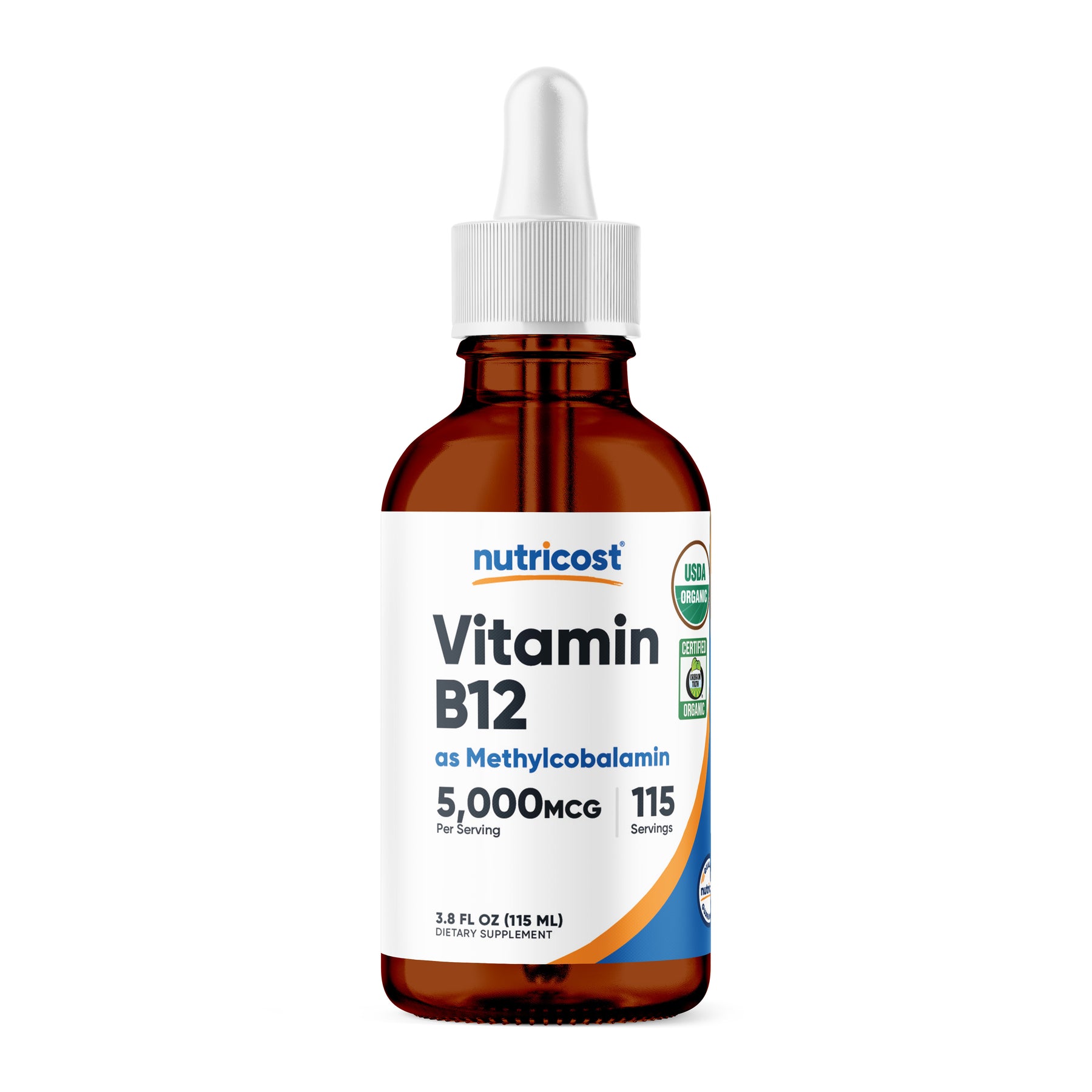
Vitamin B12
100%Dose
5000 mcg
Target
250–5000 mcg
Form
Budget
Other Ingredients (8)
AnnattoColorant
Natural yellow-orange colorant derived from the seeds of the achiote tree (Bixa orellana)
Dicalcium PhosphateBinder
Calcium and phosphorus compound used as binder
GelatinCapsule
Protein derived from collagen, used in traditional capsule shells
GlycerinHumectant
Sweet-tasting liquid used in soft capsules and liquids
Purified WaterSolvent
Water meeting USP specifications used as solvent/vehicle in gummies and liquids
Sunflower LecithinEmulsifier
Non-GMO, non-allergenic emulsifier derived from sunflower seeds
Sunflower Seed OilCarrier
Common vegetable oil from sunflower seeds used as a carrier in softgels for fat-soluble nutrients
BeeswaxCoating
Natural wax produced by honeybees, used as a coating and binding agent in softgels and tablets
How to Take It
Best taken in the morning
Many people prefer it earlier in the day; there's no evidence timing changes anything. Absorption is fine with or without food.
With or without food
On the label
Adults take 1 softgel daily with food, or as recommended by your healthcare provider.
General guidance based on the ingredients, not a substitute for the label or your doctor.
Price Check
$11.99
Cheaper than 68% of 235 vitamin B12 supplements
Track this supplement in your stack
Get personalized insights, interactions, and coverage recommendations.
Get Started FreeSimilar Supplements
Sources & Scoring
Nutrient data (RDA, UL, and safety thresholds) sourced from the NIH Office of Dietary Supplements and the National Academies Dietary Reference Intakes (DRI).
This is not medical advice. Consult a healthcare provider before making changes to your supplement routine.
The score analyzes what's on the label: ingredient doses vs. studied ranges, chemical forms, evidence levels, and known interactions. It does not verify label accuracy or test for contaminants — for that, look for third-party certifications like USP or NSF.