BioStacks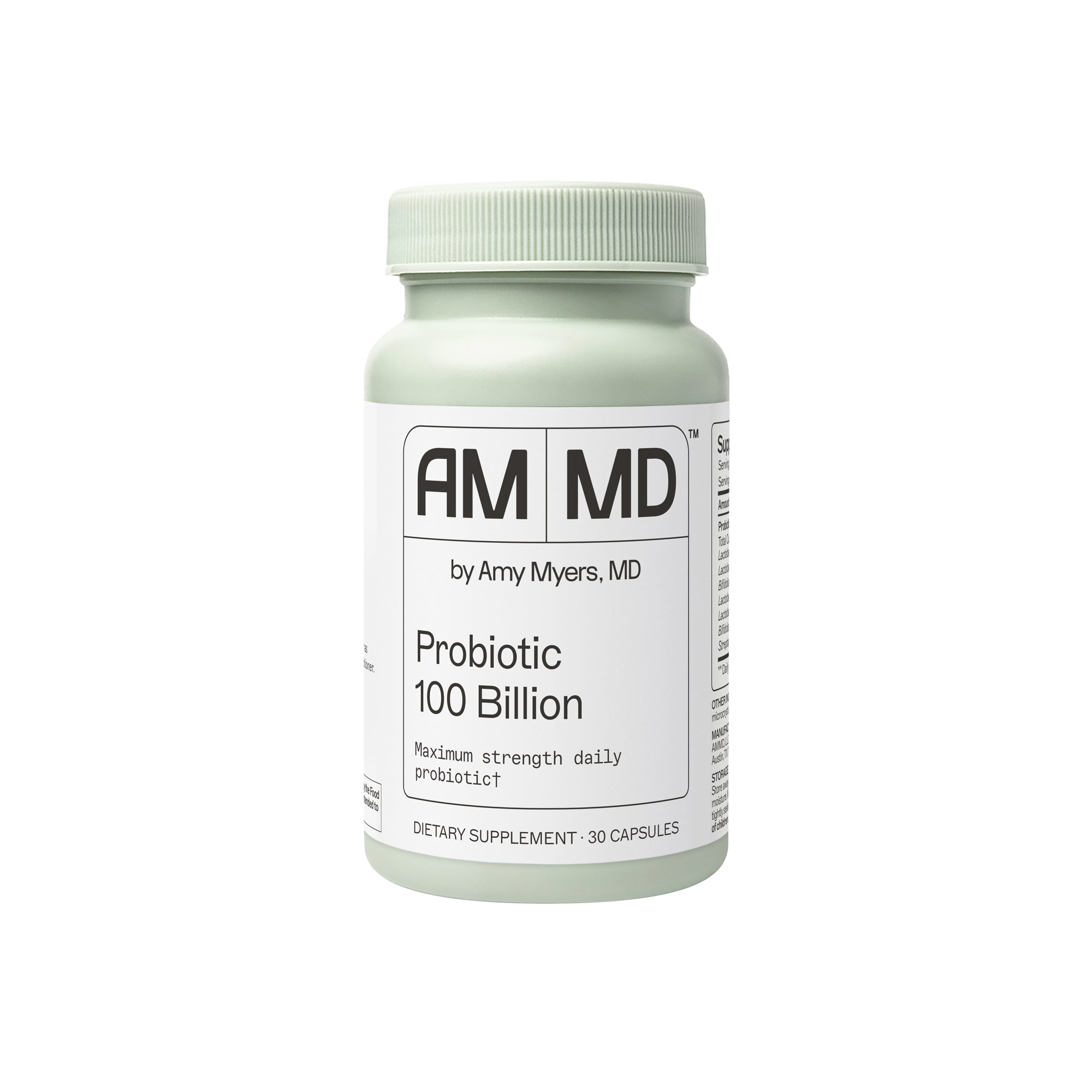
Best for
Ingredients (4)
Blend of Probiotic Bacteria
100%Dose
8 billion cfu
Target
1–100 B CFU
Form
Not listed
Bifidobacterium lactis (Bl-04)
Amount not found
Bifidobacterium longum (Bl-05)
Amount not found
Lactobacillus acidophilus (La-14)
Amount not found
Other Ingredients (4)
Silicon DioxideAnti-caking
Fine silica powder used to prevent clumping
HypromelloseCapsule
Plant-derived capsule material from cellulose
Microcrystalline CelluloseBinder
Plant-derived cellulose used as a binder and filler in supplements
Stearic AcidLubricant
Saturated fatty acid used as tablet lubricant
How to Take It
Best taken in the morning
Live strains survive stomach acid best taken with or just before a meal — after a meal is the worst option. Consistency matters more than the clock.
With food
Keep it away from hot food or drink
On the label
Take 1 capsule 1 to 2 times daily between meals or on an empty stomach.Refrigerate to maintain potency.
The label says to take it on an empty stomach. What's in this one sits better with food, and you give up little by taking it that way.
General guidance based on the ingredients, not a substitute for the label or your doctor.
Price Check
$29.89
Near the median of 137 probiotics supplements
Track this supplement in your stack
Get personalized insights, interactions, and coverage recommendations.
Get Started FreeSimilar Supplements
Amy Myers MD
Probiotic 100 Billion
🍏 for Digestion
85
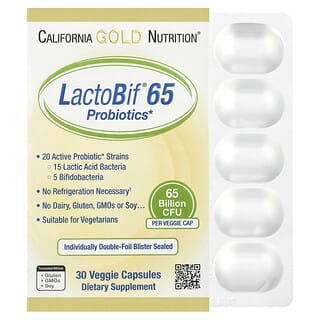
California Gold Nutrition
LactoBif 65 Probiotics 65 Billion CFU
🍏 for Digestion
82
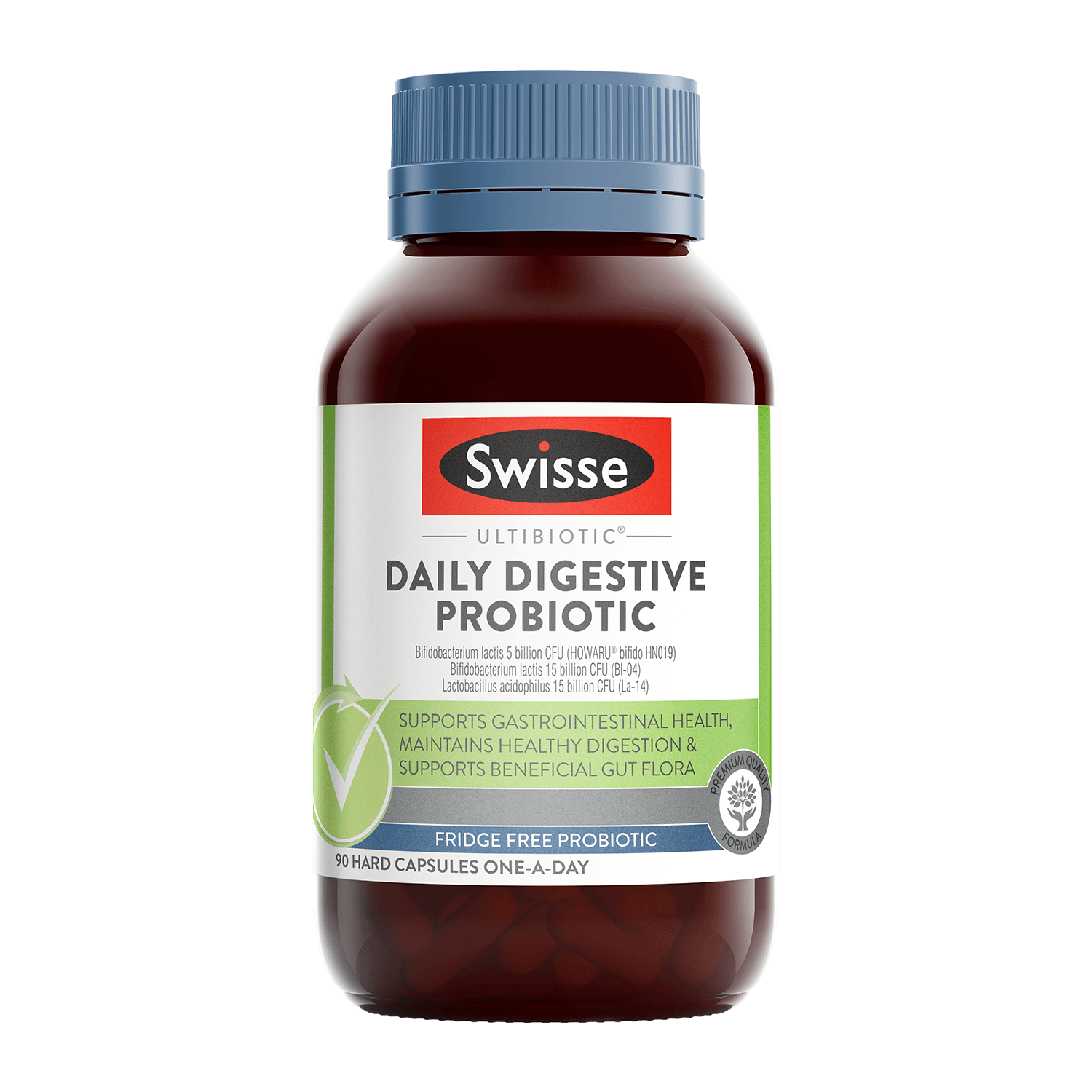
Swisse
Daily Digestive Probiotic
🍏 for Digestion
73
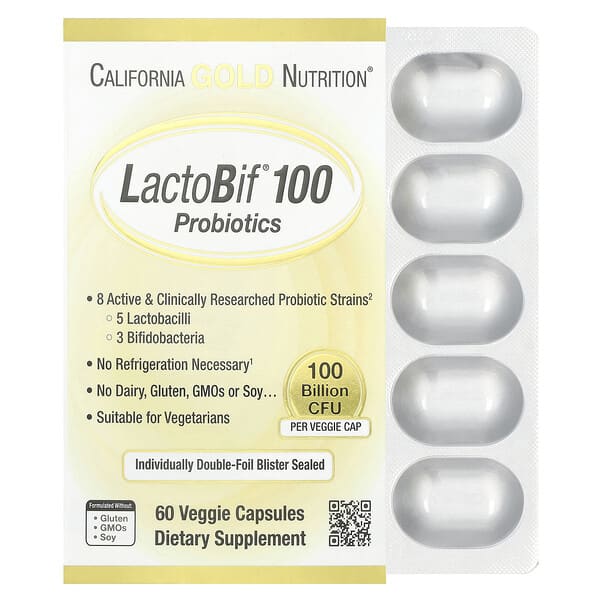
California Gold Nutrition
California Gold Nutrition, LactoBif 100 Probiotics, 100 Billion CFU, 60 Veggie Capsules
🍏 for Digestion
68
California Gold Nutrition
LactoBif 100 Probiotics 100 Billion CFU
🍏 for Digestion
68
Sources & Scoring
Nutrient data (RDA, UL, and safety thresholds) sourced from the NIH Office of Dietary Supplements and the National Academies Dietary Reference Intakes (DRI).
This is not medical advice. Consult a healthcare provider before making changes to your supplement routine.
The score analyzes what's on the label: ingredient doses vs. studied ranges, chemical forms, evidence levels, and known interactions. It does not verify label accuracy or test for contaminants — for that, look for third-party certifications like USP or NSF.