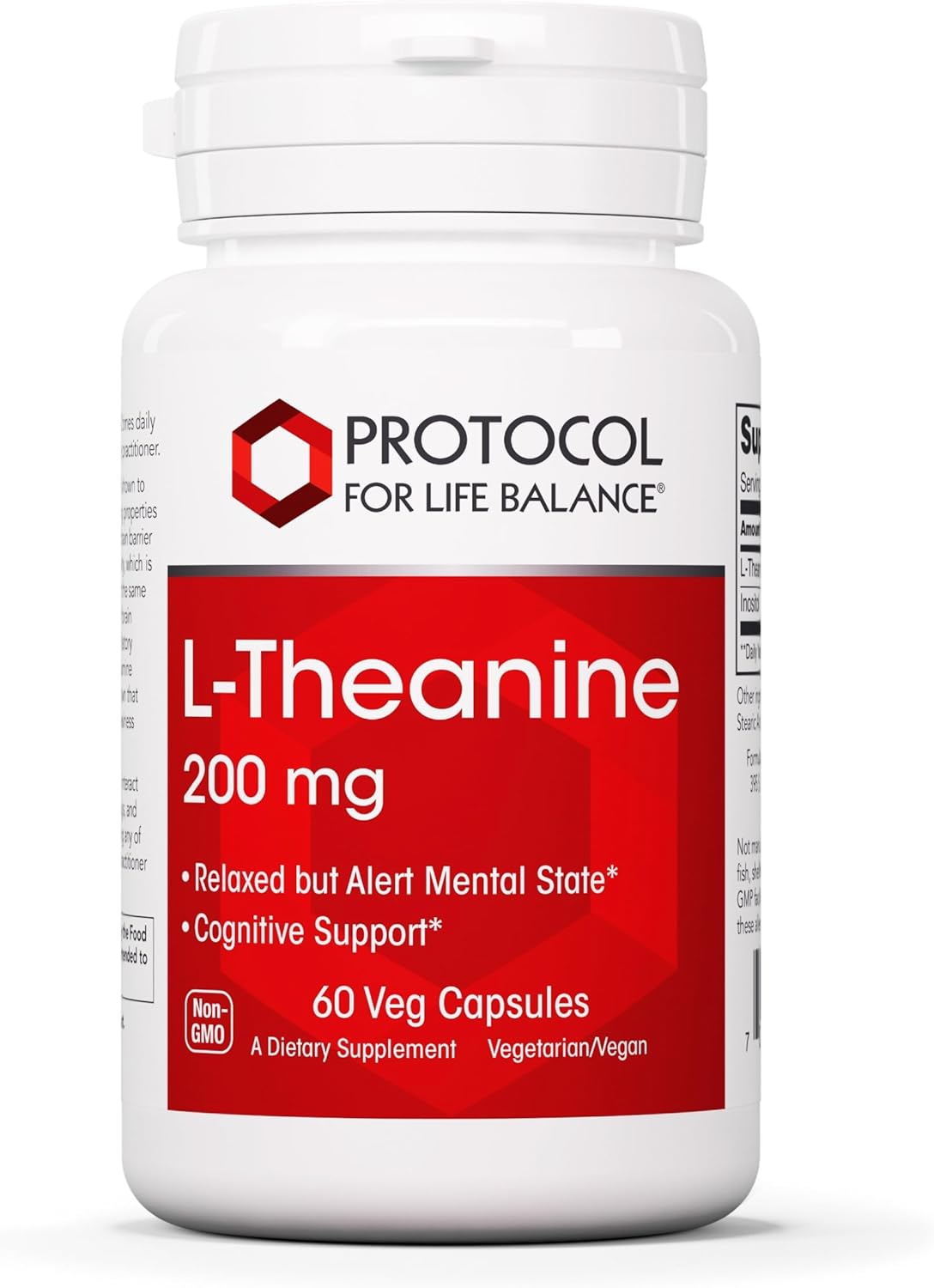
If you're looking for calm focus without drowsiness, this delivers exactly the dose the research supports. **L-Theanine** at 200mg per capsule matches the most studied single dose for promoting relaxation and reducing stress-related mental noise — you're right in the sweet spot of the 100–250mg clinical range.
The formula also includes 100mg of **Inositol**, but that's worth context: clinical studies on inositol for mood and stress use 2,000–4,000mg per day. At 100mg, you're getting about 5% of the minimum studied dose, so its contribution here is negligible.
This is really a theanine product with a token amount of inositol. For stress relief and focus, the theanine dose alone justifies the capsule. If you're specifically interested in inositol's benefits, you'd need a dedicated supplement at a much higher dose.
BioStacks
Best for
Ingredients (2)
L-Theanine
100%Dose
200 mg
Target
100–250 mg
Form
—
Inositol
5%Dose
100 mg
Target
2000–4000 mg
Form
—
Other Ingredients (3)
Silicon DioxideAnti-caking
Fine silica powder used to prevent clumping
HypromelloseCapsule
Plant-derived capsule material from cellulose
Stearic AcidLubricant
Saturated fatty acid used as tablet lubricant
How to Take It
Best taken in the evening
Calming — common before bed, or in the morning when paired with caffeine for focus.
With or without food
On the label
Suggested Usage: Take 1 capsule 1 to 2 times daily as needed, preferably on an empty stomach.
General guidance based on the ingredients, not a substitute for the label or your doctor.
Price Check
$24.13
Near the median of 101 theanine supplements
Track this supplement in your stack
Get personalized insights, interactions, and coverage recommendations.
Get Started FreeSimilar Supplements
Sources & Scoring
Nutrient data (RDA, UL, and safety thresholds) sourced from the NIH Office of Dietary Supplements and the National Academies Dietary Reference Intakes (DRI).
This is not medical advice. Consult a healthcare provider before making changes to your supplement routine.
The score analyzes what's on the label: ingredient doses vs. studied ranges, chemical forms, evidence levels, and known interactions. It does not verify label accuracy or test for contaminants — for that, look for third-party certifications like USP or NSF.