BioStacks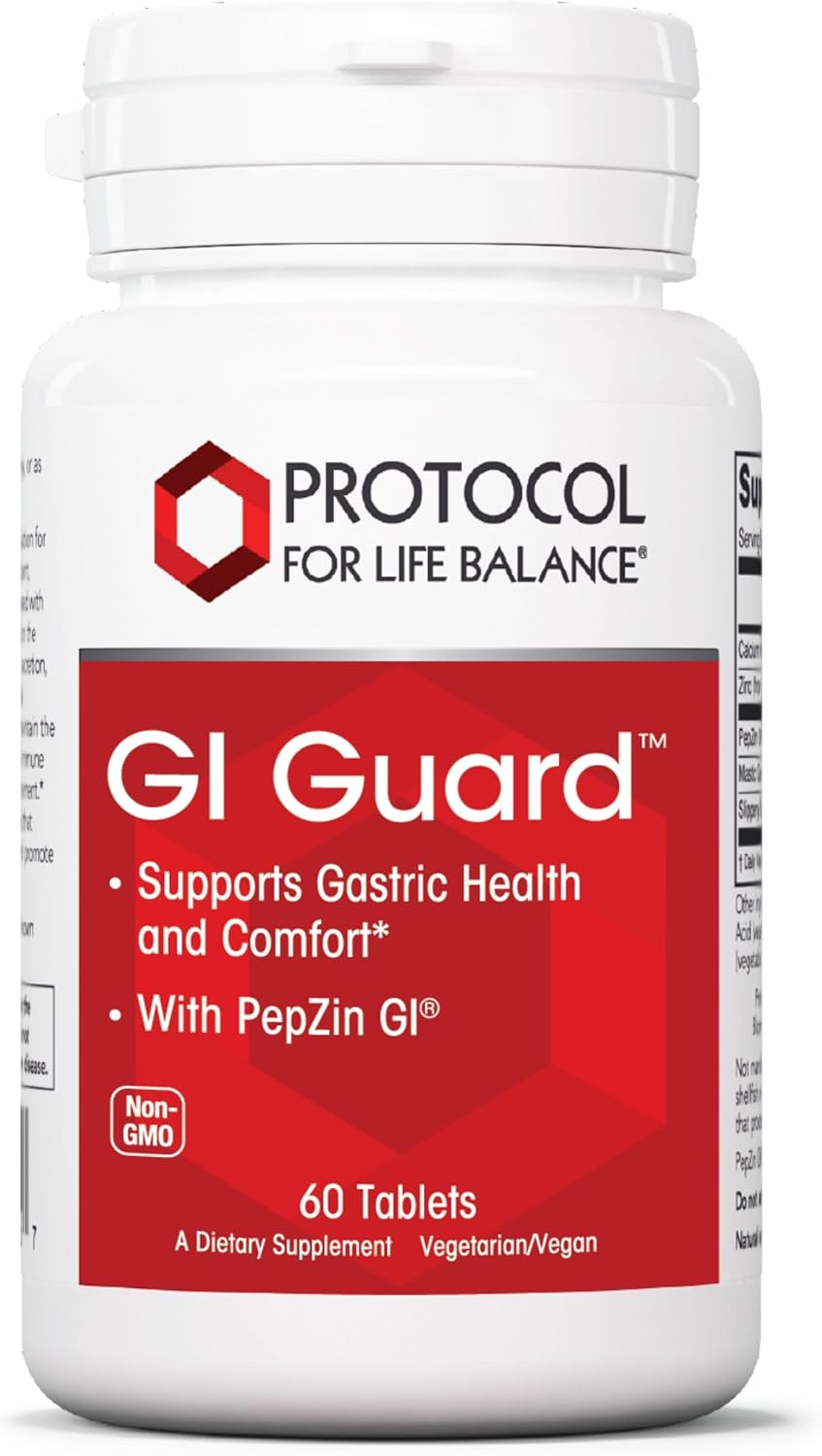
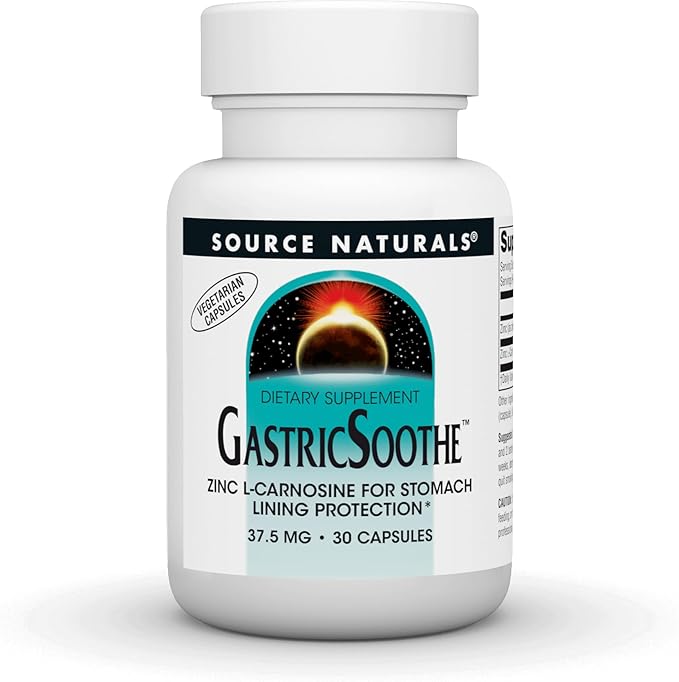
Best for
Ingredients (5)
PepZin GI®
100%Dose
37.5 mg
Target
37.5–75 mg
Form
—
Zinc
53%Dose
8 mg
Target
15–30 mg
Form
Not listed
Slippery Elm
25%Dose
100 mg
Target
400–1600 mg
Form
—
Mastic gum powder
20%Dose
100 mg
Target
500–2000 mg
Form
—
Calcium
70 mgTrace amount — not scored
Other Ingredients (6)
Magnesium StearateLubricant
A salt of stearic acid used as a lubricant in tablet and capsule production
Silicon DioxideAnti-caking
Fine silica powder used to prevent clumping
Coating (unspecified)Coating
Generic tablet coating declaration where the label does not itemize the coating's components; modern aqueous film coatings are typically cellulose-based (HPMC) with a plasticizer
Microcrystalline CelluloseBinder
Plant-derived cellulose used as a binder and filler in supplements
Croscarmellose SodiumDisintegrant
Cross-linked cellulose derivative used as a superdisintegrant
Stearic AcidLubricant
Saturated fatty acid used as tablet lubricant
How to Take It
Take it anytime
Take with food — on an empty stomach it commonly causes nausea.
With food
Space it a couple of hours from Iron and Calcium
On the label
Take 1 tablet twice daily, with or without meals. Taking this product for eight weeks is recommended for best results. After eight weeks, take as needed
General guidance based on the ingredients, not a substitute for the label or your doctor.
Price Check
$16.54
Cheaper than 81% of 108 digestion supplements
Track this supplement in your stack
Get personalized insights, interactions, and coverage recommendations.
Get Started FreeSimilar Supplements
Protocol For Life Balance
GI Guard
🛡️ for Immune
55
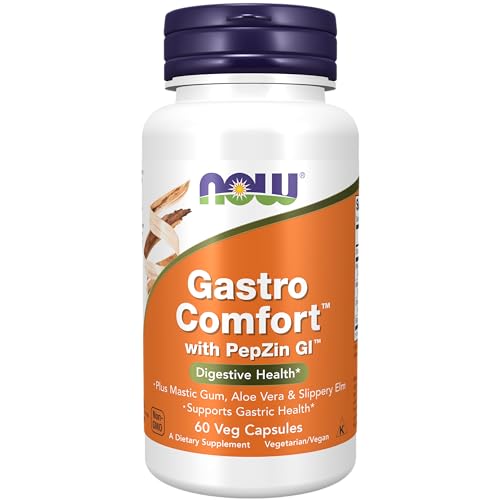
NOW
Gastro Comfort with PepZin GI
🍏 for Digestion
44
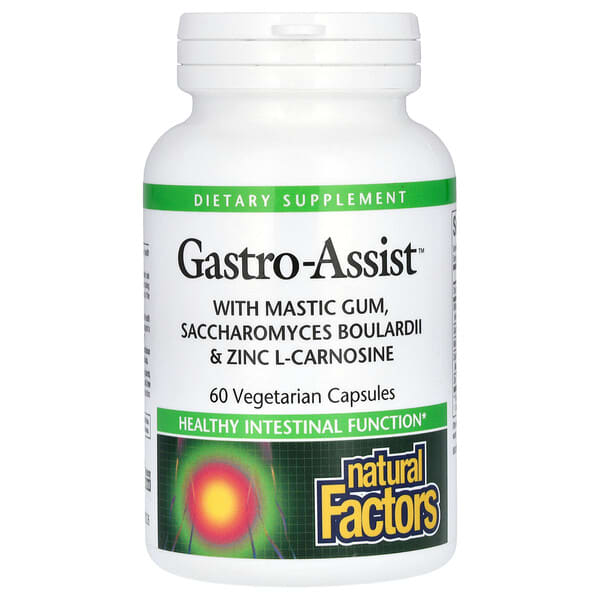
Natural Factors
Gastro-Assist™ with Mastic Gum, Saccharomyces Boulardii & Zinc L-Carnosine, 60 Vegetarian Capsules
🛡️ for Immune
74
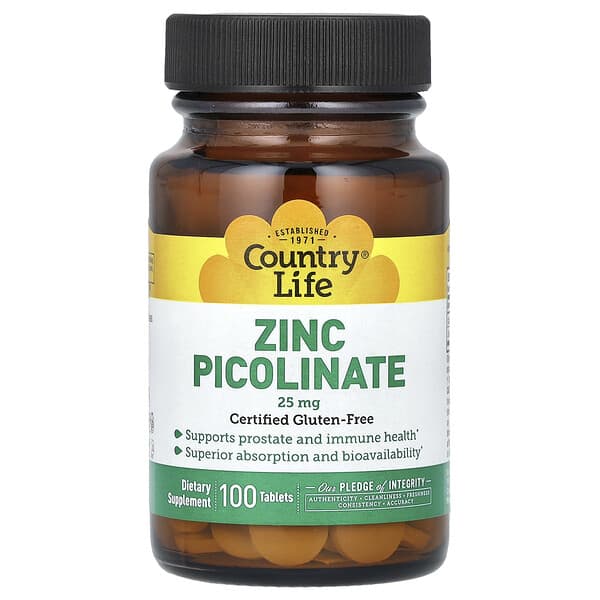
Country Life
Zinc Picolinate, 25 mg
🛡️ for Immune
97
Source Naturals
GastricSoothe
🛡️ for Immune
76
Sources & Scoring
Nutrient data (RDA, UL, and safety thresholds) sourced from the NIH Office of Dietary Supplements and the National Academies Dietary Reference Intakes (DRI).
This is not medical advice. Consult a healthcare provider before making changes to your supplement routine.
The score analyzes what's on the label: ingredient doses vs. studied ranges, chemical forms, evidence levels, and known interactions. It does not verify label accuracy or test for contaminants — for that, look for third-party certifications like USP or NSF.