BioStacks
Best for
Ingredients (24)
Phosphorus
100%Dose
438 mg
Target
100–500 mg
Form
—
Potassium
100%Dose
420 mg
Target
99–500 mg
Form
—
Vitamin B6
100%Dose
2 mg
Target
1.3–25 mg
Form
—
Pantothenic Acid
20%Dose
10 mg
Target
50–500 mg
Form
—
Vitamin B3
80%Dose
20 mg ne
Target
25–500 mg
Form
—
Other Ingredients (12)
SucraloseSweetener
Dose context matters. As a trace excipient in a tablet coating or capsule, the amount is minimal and not a meaningful concern. The evidence below applies to the gram-level intakes typical of sweetened protein powders, pre-workouts, and drink mixes: a 2022 human trial (Suez et al., Cell) showed sucralose disrupts gut bacteria and worsens blood sugar control in healthy adults, and a 2023 study (Schiffman et al.) found that sucralose-6-acetate — a compound formed when sucralose is digested — was genotoxic to human cells in vitro. It remains an artificial sweetener with no nutritional purpose.
MaltodextrinBinder
Spikes blood sugar faster than table sugar (glycemic index 85–105). Research links it to gut bacteria changes that may promote intestinal inflammation (Nickerson et al. 2015). Used as a cheap filler — adds nothing beneficial.
FibersolFiber
Digestion-resistant maltodextrin used as a soluble prebiotic fiber and bulking agent
Medium Chain Triglyceride OilCarrier
Fractionated oils rich in C8/C10 triglycerides used as neutral carrier or anti-sticking agent
Natural FlavorsFlavor
Broad regulatory category of flavor constituents derived from natural sources. Composition is proprietary and not disclosed — 'Natural Flavors' can include several hundred different compounds depending on the target flavor profile, including hexane-extracted constituents and proprietary carrier solvents. 'Natural' is a regulatory definition (21 CFR §101.22), not a safety guarantee.
Silicon DioxideAnti-caking
Fine silica powder used to prevent clumping
Mixed TocopherolsAntioxidant
Natural vitamin E used as preservative
CocoaFlavor
Common food ingredient used for chocolate flavoring in supplements
How to Take It
Take it anytime
No evidence a formula this broad works better at any particular hour. Take it with a meal containing fat — the vitamins A, D, E and K in it absorb poorly without one.
With a meal containing fat
Keep it away from high-oxalate foods like spinach, medication and mineral supplements
Space it a couple of hours from Iron
On the label
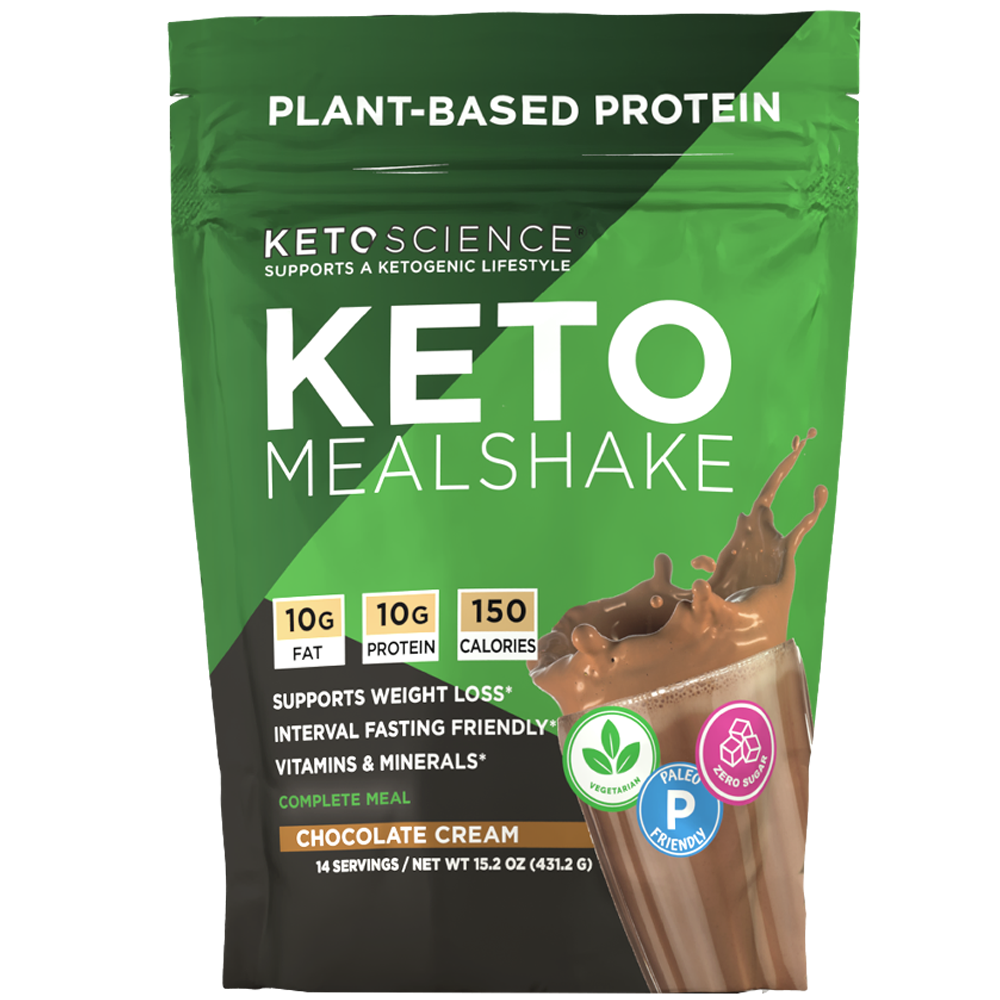
Consume 1-4 scoops depending on your calorie and protein requirements. For each scoop, add 4-6 ounces of cold water, milk or your favorite beverage to a shaker cup or blender and mix for 30-45 seconds. Vary the amount of liquid to meet your desired taste and consistency. Using nonfat milk instead of water will give you a thicker, creamier shake.
General guidance based on the ingredients, not a substitute for the label or your doctor.
Price Check
$67.99
Pricier than 92% of 798 multivitamins
Track this supplement in your stack
Get personalized insights, interactions, and coverage recommendations.
Get Started FreeSimilar Supplements
Sources & Scoring
Nutrient data (RDA, UL, and safety thresholds) sourced from the NIH Office of Dietary Supplements and the National Academies Dietary Reference Intakes (DRI).
This is not medical advice. Consult a healthcare provider before making changes to your supplement routine.
The score analyzes what's on the label: ingredient doses vs. studied ranges, chemical forms, evidence levels, and known interactions. It does not verify label accuracy or test for contaminants — for that, look for third-party certifications like USP or NSF.