BioStacks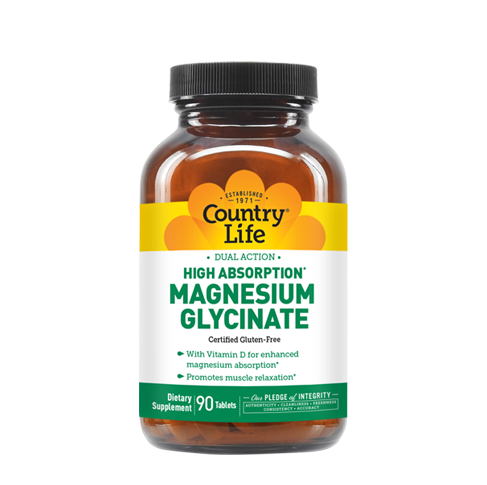
Best for
Ingredients (4)
Vitamin D
80%Dose
800 IU
Target
1000–5000 IU
Form
Premium
Magnesium
100%Dose
250 mg
Target
100–400 mg
Form
Not listed
Magnesium Bisglycinate
Amount not found
Dimagnesium Malate
Amount not found
Other Ingredients (14)
MaltodextrinBinder
Spikes blood sugar faster than table sugar (glycemic index 85–105). Research links it to gut bacteria changes that may promote intestinal inflammation (Nickerson et al. 2015). Used as a cheap filler — adds nothing beneficial.
Rice ExtractFiller
Rice-based ingredients carry risk of inorganic arsenic contamination. Vague labeling — 'rice extract' does not specify what is extracted or standardized. Used as a cheap filler with no supplemental benefit.
Bamboo ExtractFiller
Plant-derived silica source used as a natural anti-caking agent and carrier (silica content ~70%)
Rice HullsAnti-caking
Ground outer husk of rice grains used as a plant-based flow and anti-caking agent
Magnesium StearateLubricant
A salt of stearic acid used as a lubricant in tablet and capsule production
Gum AcaciaBinder
Natural plant gum (acacia) used as a binder, stabilizer, and emulsifier in foods and supplements
HypromelloseCapsule
Plant-derived capsule material from cellulose
Gum AcaciaBinder
Natural plant gum (acacia) used as a binder, stabilizer, and emulsifier in foods and supplements
How to Take It
Best taken in the evening
The Magnesium in it is what pulls this toward the evening. Take it with a meal containing fat — the vitamin D in it absorbs poorly without one.
With a meal containing fat
Space it a couple of hours from Iron and Calcium
On the label
Take 2 capsules daily or as directed by a healthcare professional
General guidance based on the ingredients, not a substitute for the label or your doctor.
Price Check
$13.50
Cheaper than 81% of 579 magnesium supplements
Track this supplement in your stack
Get personalized insights, interactions, and coverage recommendations.
Get Started FreeSimilar Supplements
Country Life
High Absorption Magnesium Glycinate
🦷 for Dental
91
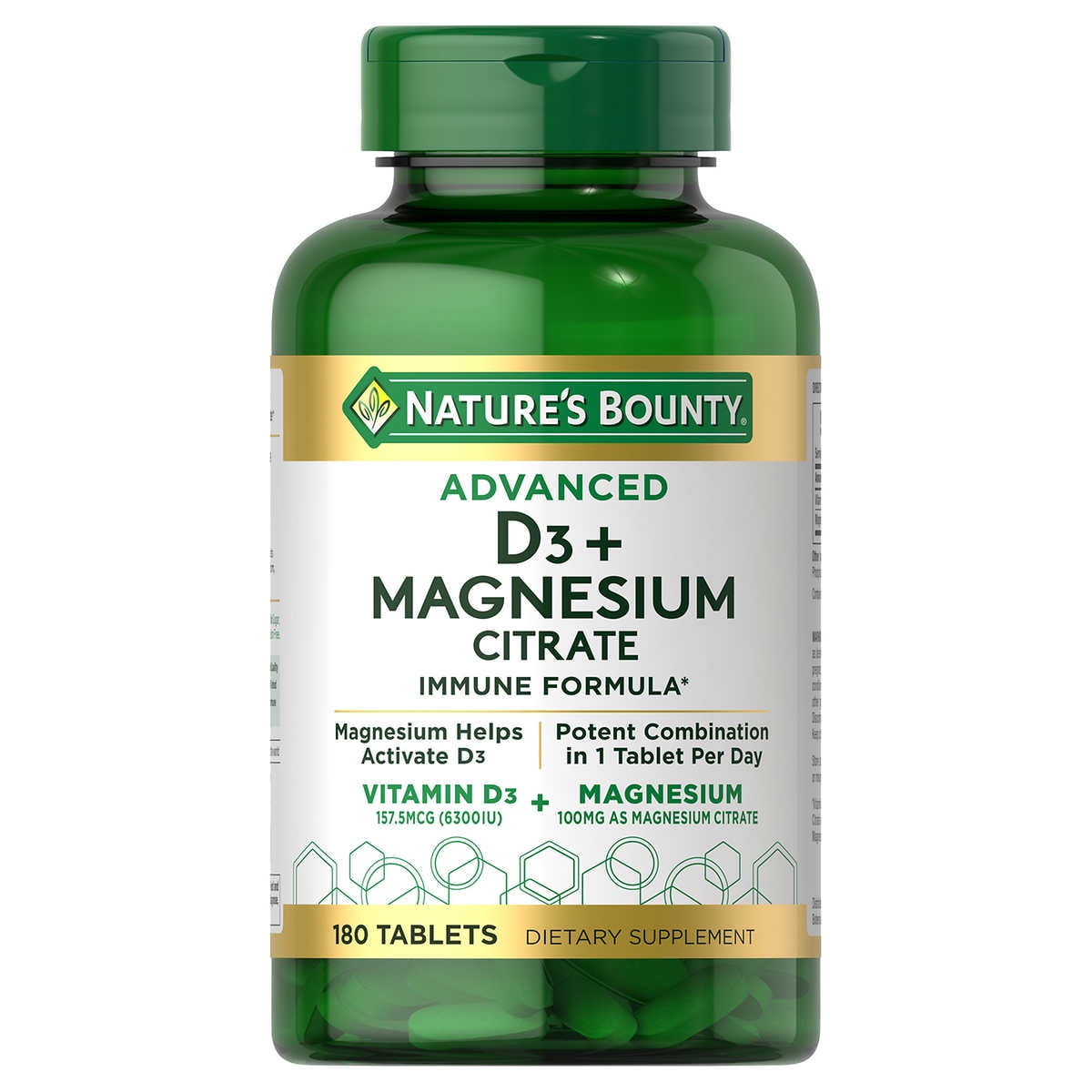
Nature's Bounty
Advanced D3 + Magnesium Citrate Immune Formula
🛡️ for Immune
77
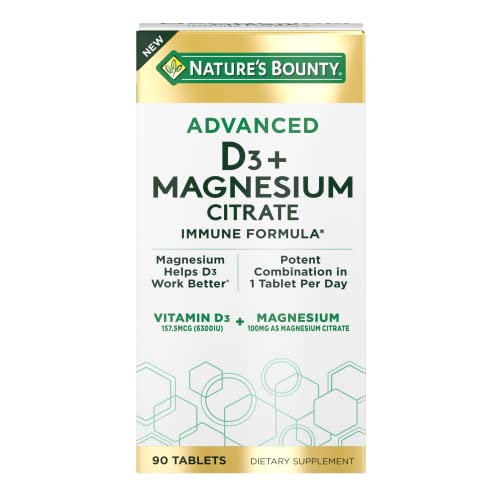
Nature's Bounty
Advanced Vitamin D3 + Magnesium Citrate
🦷 for Dental
77
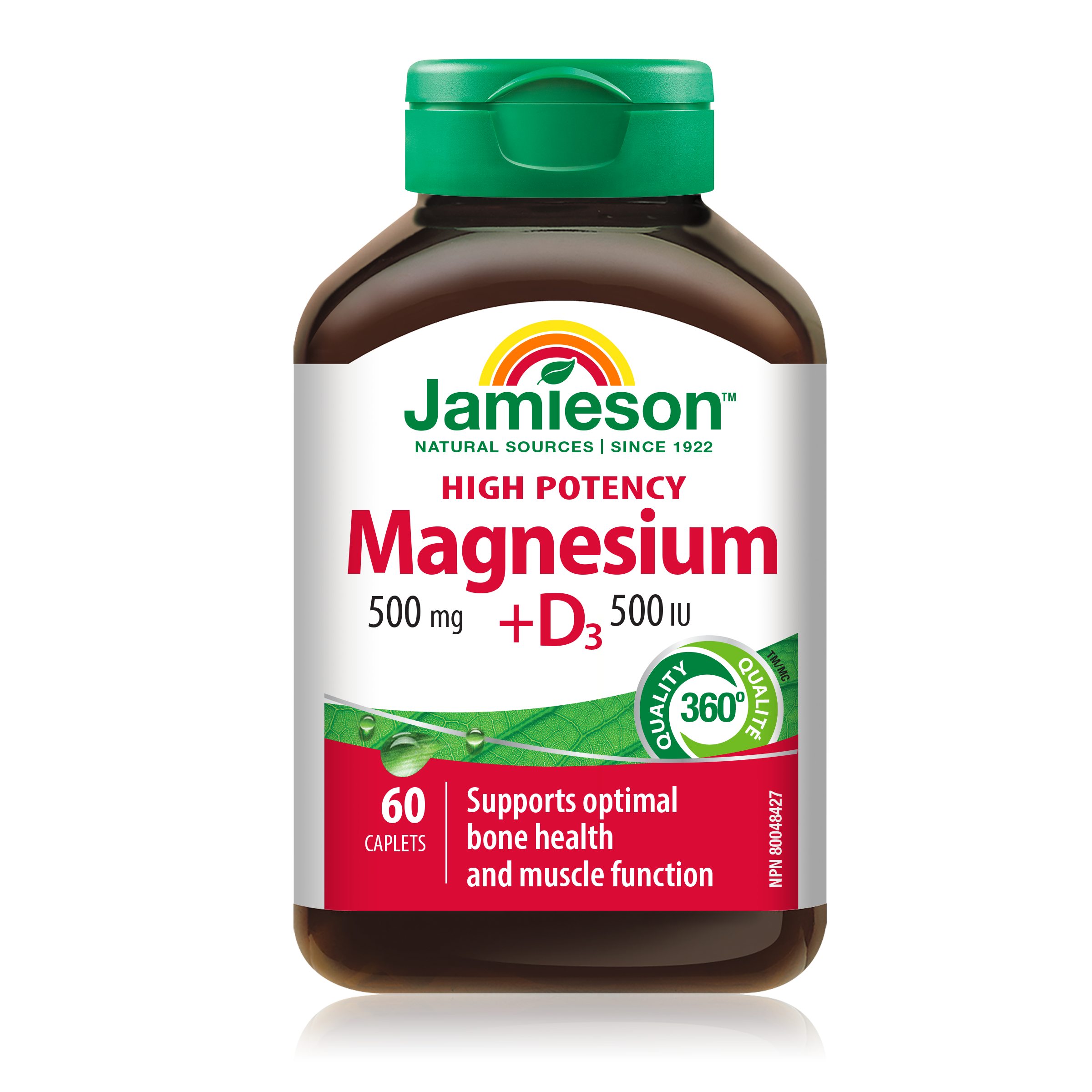
Jamieson
Magnesium & Vitamin D3
😴 for Sleep
73
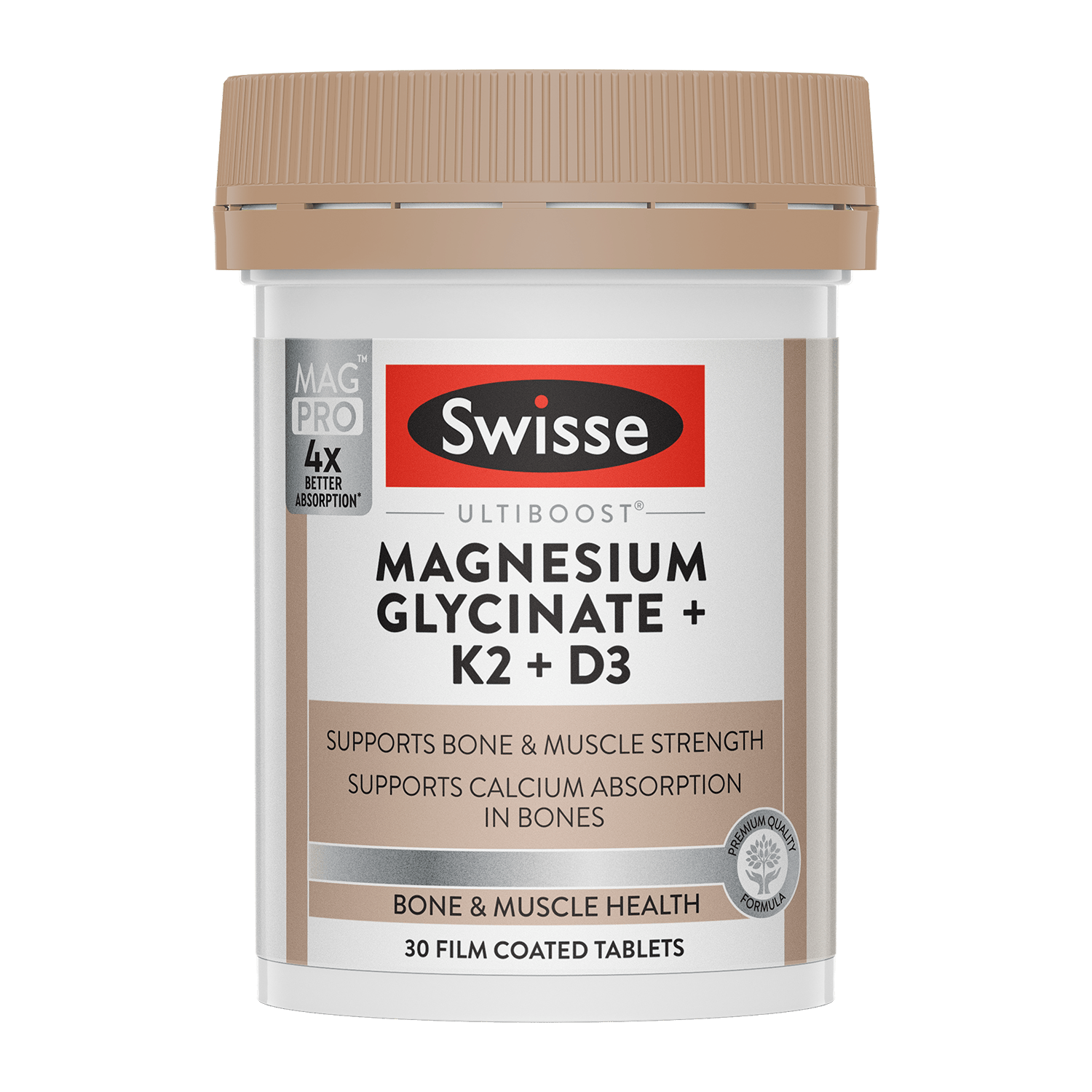
Swisse
Magnesium Glycinate + K2 + D3
🦴 for Bone & Joint
98
Sources & Scoring
Nutrient data (RDA, UL, and safety thresholds) sourced from the NIH Office of Dietary Supplements and the National Academies Dietary Reference Intakes (DRI).
This is not medical advice. Consult a healthcare provider before making changes to your supplement routine.
The score analyzes what's on the label: ingredient doses vs. studied ranges, chemical forms, evidence levels, and known interactions. It does not verify label accuracy or test for contaminants — for that, look for third-party certifications like USP or NSF.