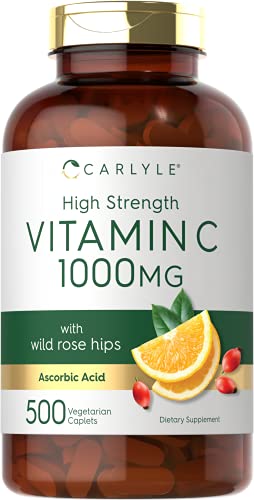
This **Vitamin C** delivers a full 1,000mg per capsule for immune and antioxidant support — far above the ~90mg you need to avoid deficiency. The honest catch is that your body's absorption of vitamin C saturates around 200mg, so past that point uptake plateaus and most of a 1,000mg dose is simply excreted. You're getting a high, very safe dose, but not ten times the benefit of a smaller one.
For colds specifically, keep expectations realistic: regular vitamin C doesn't prevent them in healthy people and only shortens their duration by around 8% in studies. As a daily antioxidant and collagen-building cofactor, though, this reliably keeps you topped up.
The rose hips are dosed at just 25mg — a natural source of vitamin C, but the joint-comfort research on rose hips uses 2,500-5,000mg, around 100x more, so at this amount it contributes little here.
BioStacks
Other Ingredients (2)
Magnesium StearateLubricant
A salt of stearic acid used as a lubricant in tablet and capsule production
GelatinCapsule
Protein derived from collagen, used in traditional capsule shells
How to Take It
Take it anytime
Plain ascorbic acid is acidic — high doses can bite on an empty stomach. Take it with food if that happens, and split doses above ~500 mg.
With or without food
On the label
Suggested use: As a dietary supplement, take 1 capsule daily with 8-12 oz of water or as directed by your healthcare professional.
General guidance based on the ingredients, not a substitute for the label or your doctor.
Price Check
No price yet
What 375 vitamin C supplements cost
Track this supplement in your stack
Get personalized insights, interactions, and coverage recommendations.
Get Started FreeSimilar Supplements
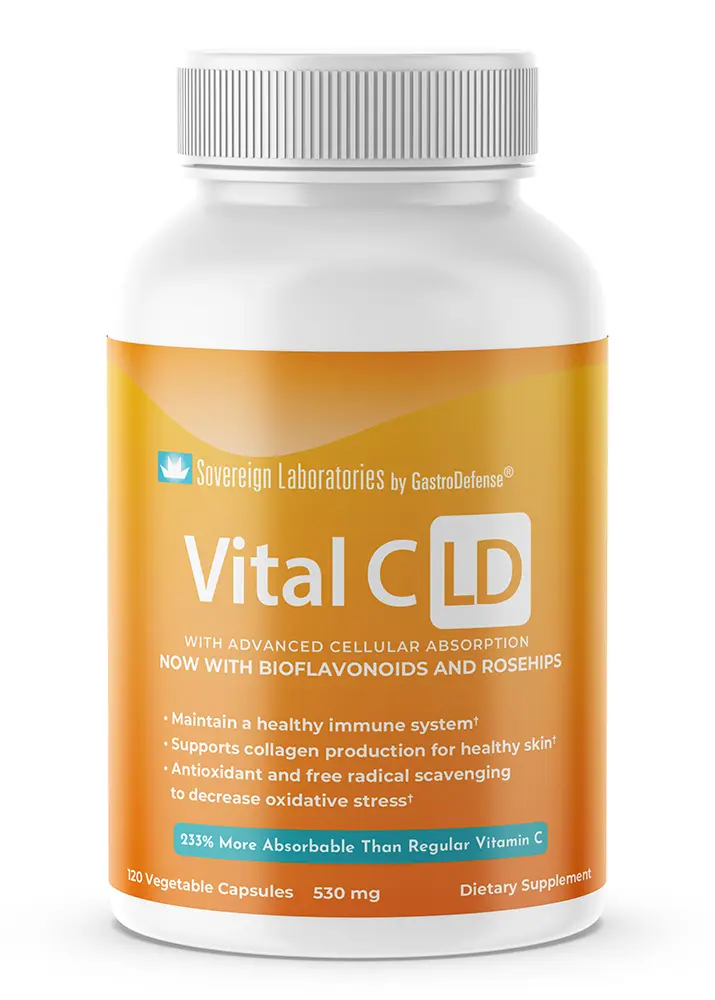
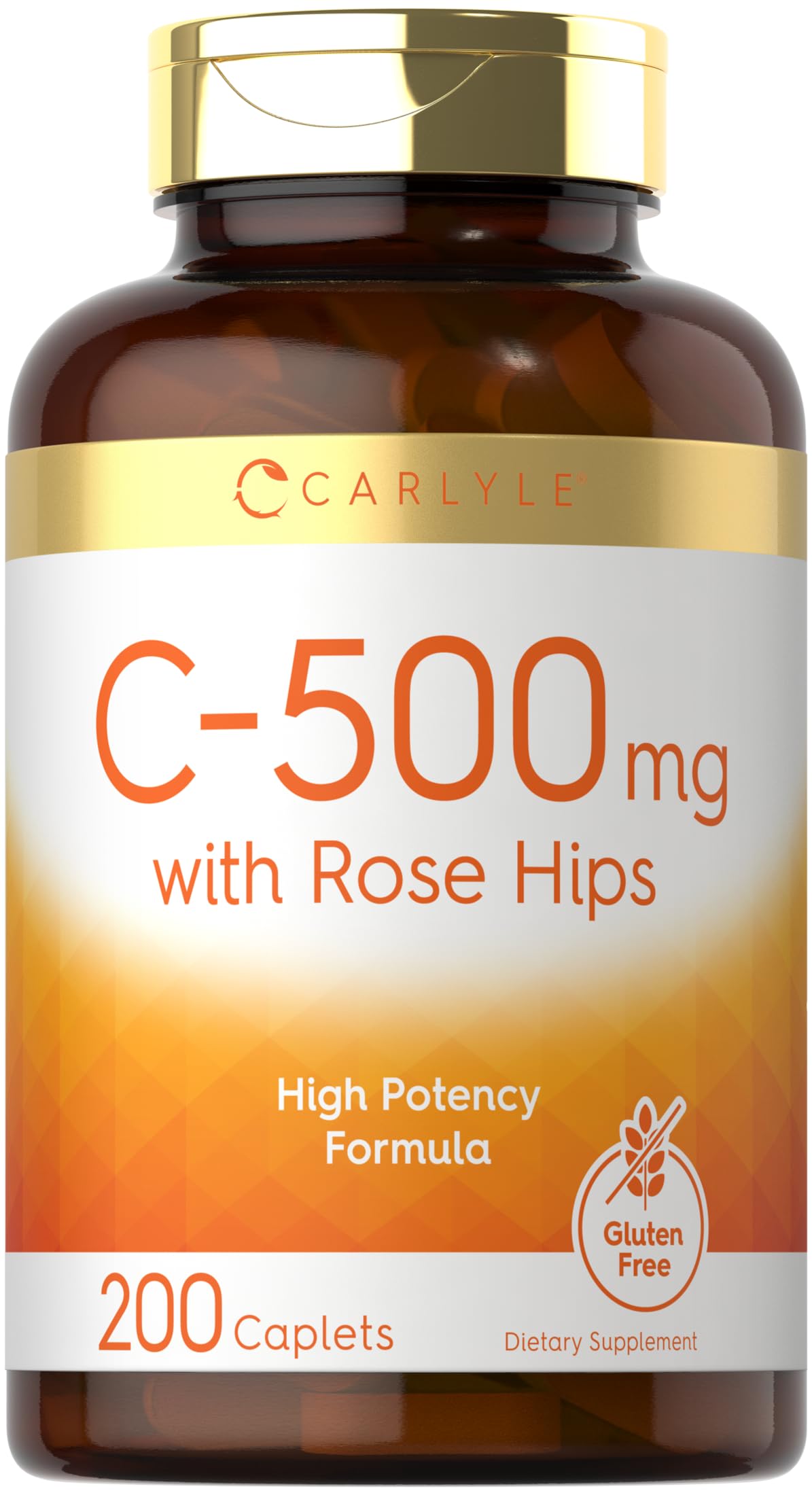
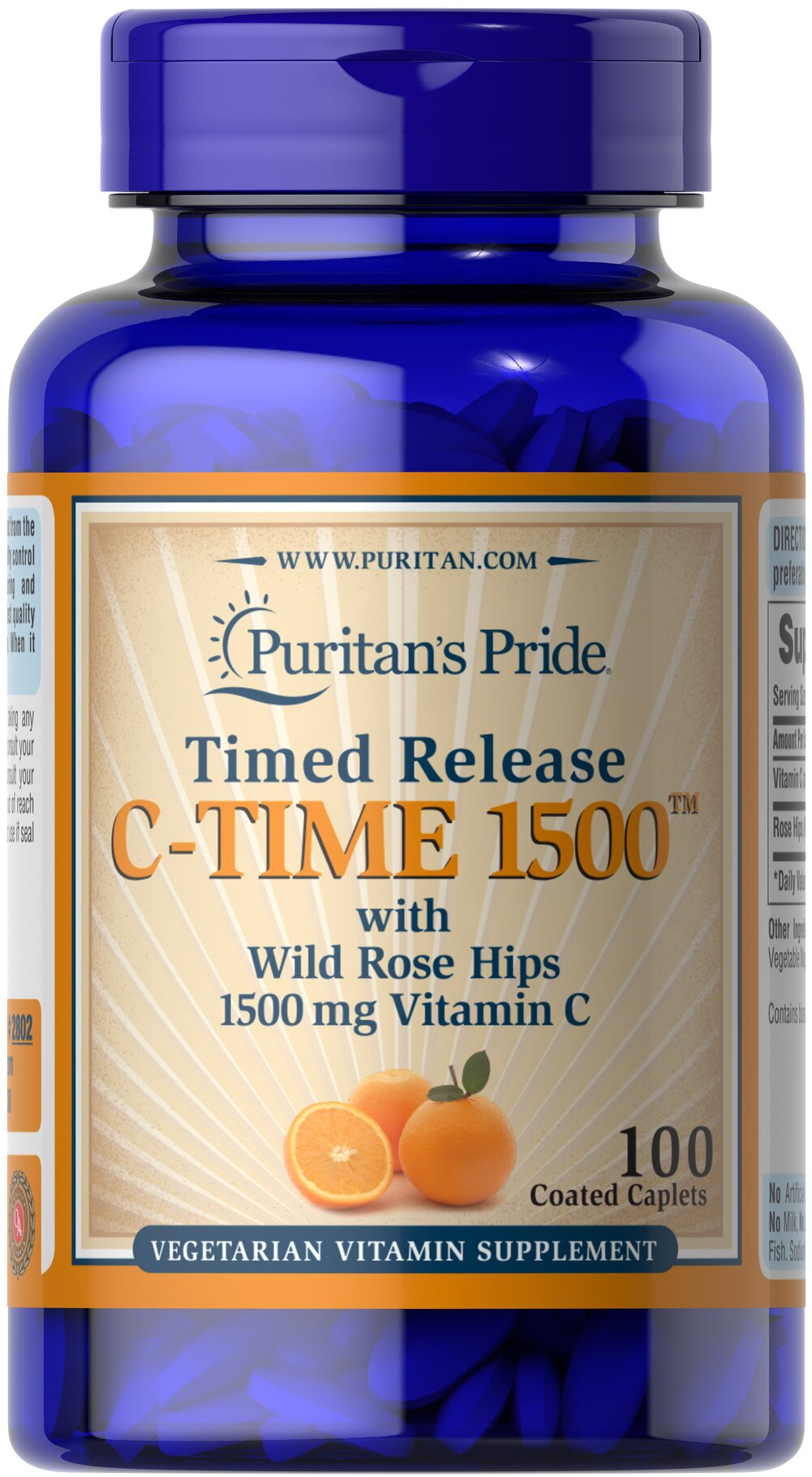
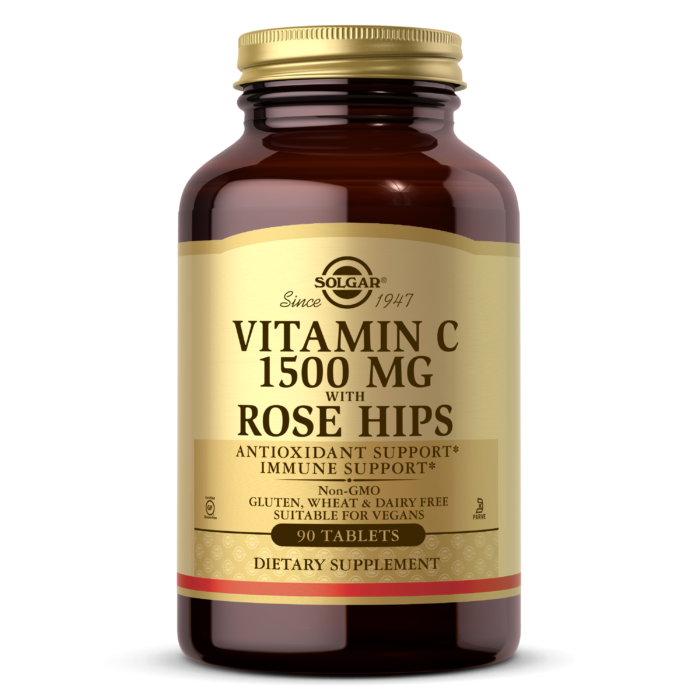
Sources & Scoring
Nutrient data (RDA, UL, and safety thresholds) sourced from the NIH Office of Dietary Supplements and the National Academies Dietary Reference Intakes (DRI).
This is not medical advice. Consult a healthcare provider before making changes to your supplement routine.
The score analyzes what's on the label: ingredient doses vs. studied ranges, chemical forms, evidence levels, and known interactions. It does not verify label accuracy or test for contaminants — for that, look for third-party certifications like USP or NSF.