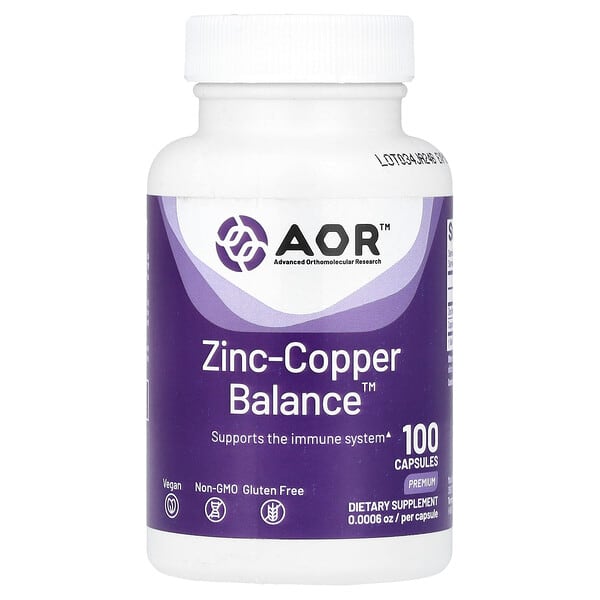
This zinc supplement delivers 25mg of elemental **Zinc** for immune support, sitting comfortably inside the 15-30mg clinical range and well under the 40mg daily safety ceiling, so it's suited to long-term use. The "3-in-1" refers to the zinc source rather than three separate ingredients: the dose is built from a blend of zinc picolinate, glycinate, and citrate, and the first two are forms your body absorbs efficiently.
The more meaningful addition is **Copper** at 2mg. Taking zinc every day competes with copper for absorption and can quietly drain your copper stores over months, so including it here guards against that. The 2mg dose sits right at the top of copper's recommended range, delivered as well-absorbed copper glycinate, and the roughly 12-to-1 zinc-to-copper ratio is a sensible balance for ongoing use.
One tablet a day on an empty stomach gives you a full, well-absorbed immune dose without the copper-depletion risk that comes with zinc taken on its own. If you already use a multivitamin containing zinc and copper, stacking this on top could push you toward the upper end of both, so it's worth tallying your total daily intake.
BioStacks
Best for
Ingredients (2)
Copper
100%Dose
2000 mcg
Target
1000–2000 mcg
Form
Premium
Zinc
100%Dose
25 mg
Target
15–30 mg
Form
Premium
Other Ingredients (2)
Silicon DioxideAnti-caking
Fine silica powder used to prevent clumping
Microcrystalline CelluloseBinder
Plant-derived cellulose used as a binder and filler in supplements
How to Take It
Take it anytime
Take with food — on an empty stomach it commonly causes nausea.
With food
Space it a couple of hours from Iron and Calcium
On the label
For optimal absorption, take 1 tablet daily with water on an empty stomach (either 1 hour before or 2 hours after eating). If you experience stomach discomfort, take the tablet with your largest meal of the day and a glass of water.
General guidance based on the ingredients, not a substitute for the label or your doctor.
Price Check
No price yet
What 219 zinc supplements cost
Track this supplement in your stack
Get personalized insights, interactions, and coverage recommendations.
Get Started FreeSimilar Supplements
Sources & Scoring
Nutrient data (RDA, UL, and safety thresholds) sourced from the NIH Office of Dietary Supplements and the National Academies Dietary Reference Intakes (DRI).
This is not medical advice. Consult a healthcare provider before making changes to your supplement routine.
The score analyzes what's on the label: ingredient doses vs. studied ranges, chemical forms, evidence levels, and known interactions. It does not verify label accuracy or test for contaminants — for that, look for third-party certifications like USP or NSF.