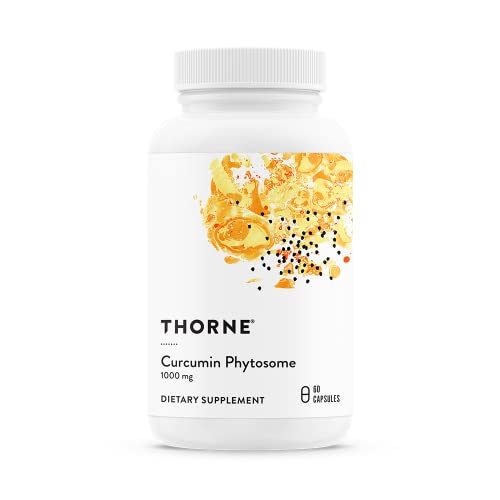
Built for joint comfort and a healthy inflammation response, this gives you 500mg of **Meriva curcumin phytosome** per 2-capsule serving — curcumin locked to sunflower phospholipids, a delivery form that absorbs many times more efficiently than raw turmeric. That matters because plain curcumin barely crosses the gut; here, 500mg lands above the 200–400mg range studied for this phytosome form, so you are getting a full effective dose for joint and cellular support in a single serving.
The phospholipid carrier does the heavy lifting on absorption, which is why a phytosome works at milligram amounts where ordinary curcumin would fall short. Pairing it with a meal that has some fat helps, since curcumin is fat-soluble. The label allows 1–3 servings daily, giving you room to scale toward the higher end of curcumin's joint and inflammation research. Backed by multiple knee-osteoarthritis RCTs, it is one of the better-evidenced botanicals for this goal.
BioStacks
Best for
Ingredients (1)
Meriva Turmeric Phytosome
100%Dose
500 mg
Target
200–400 mg
Form
Premium
Other Ingredients (2)
Hypoallergenic Plant FiberFiller
Plant-derived cellulose fiber used as a hypoallergenic filler, common in Thorne and Pure Encapsulations products
Capsule ShellCapsule
Generic capsule shell where the label does not specify the material. Common materials are hypromellose (HPMC) for vegetarian capsules and gelatin for traditional capsules — both are GRAS-listed and safe. Fish gelatin and pullulan variants also exist.
How to Take It
Take it anytime
Meriva is a phytosome — the carrier does much of the absorption work, so it's less dependent on dietary fat than plain curcumin. Its trials still dosed it with meals.
With or without food
On the label
As a dietary supplement, take 2 capsules, 1-3 times daily, between meals.
General guidance based on the ingredients, not a substitute for the label or your doctor.
Price Check
$66.40
Pricier than 95% of 167 turmeric extract supplements
Track this supplement in your stack
Get personalized insights, interactions, and coverage recommendations.
Get Started FreeSimilar Supplements
Sources & Scoring
Nutrient data (RDA, UL, and safety thresholds) sourced from the NIH Office of Dietary Supplements and the National Academies Dietary Reference Intakes (DRI).
This is not medical advice. Consult a healthcare provider before making changes to your supplement routine.
The score analyzes what's on the label: ingredient doses vs. studied ranges, chemical forms, evidence levels, and known interactions. It does not verify label accuracy or test for contaminants — for that, look for third-party certifications like USP or NSF.