BioStacksAsk AI about this product 
Pure Encapsulations
Electrolyte/Energy Formula
Powder · 1 Scoop (Approximately 8.5 Grams) · 40 servings
What it does
A combination of 9 label ingredients.
Tyrosine
Form not confirmedGrade —
In one small trial, L-tyrosine improved vigilance in male soccer players exercising in warm conditions.
Calcium
calcium citratePremium
Supports the maintenance of normal bones and teeth, muscle function and nerve signaling.
Ingredients (10)
Other ingredients
Glucose SyrupSweetener
High glycemic load; source typically corn (generally gluten-free)
MaltodextrinBinder
Spikes blood sugar faster than table sugar (glycemic index 85–105). Research links it to gut bacteria changes that may promote intestinal inflammation (Nickerson et al. 2015). Used as a cheap filler — adds nothing beneficial.
Natural FlavorsFlavor
Broad regulatory category of flavor constituents derived from natural sources. Composition is proprietary and not disclosed — 'Natural Flavors' can include several hundred different compounds depending on the target flavor profile, including hexane-extracted constituents and proprietary carrier solvents. 'Natural' is a regulatory definition (21 CFR §101.22), not a safety guarantee.
Lab testing
How to take it
With food
Tyrosine does better on an empty stomach, but something else in this bottle needs food. Taking the whole product with a meal is the better trade — an upset stomach is why most people stop.
Keep it away from protein-heavy meals and high-oxalate foods like spinach
Space it a couple of hours from Iron and Zinc
On the label
As a dietary supplement, take 1 scoop mixed in 8–10 oz water, 20 minutes before intense exercise, or as directed by a health professional.
Price check
$29.20
$0.73 / serving
Near the median of 40 general health supplements
Similar products
Micro Ingredients
Electrolyte Powder (Concord Grape)
💧 for Hydration
59
Micro Ingredients
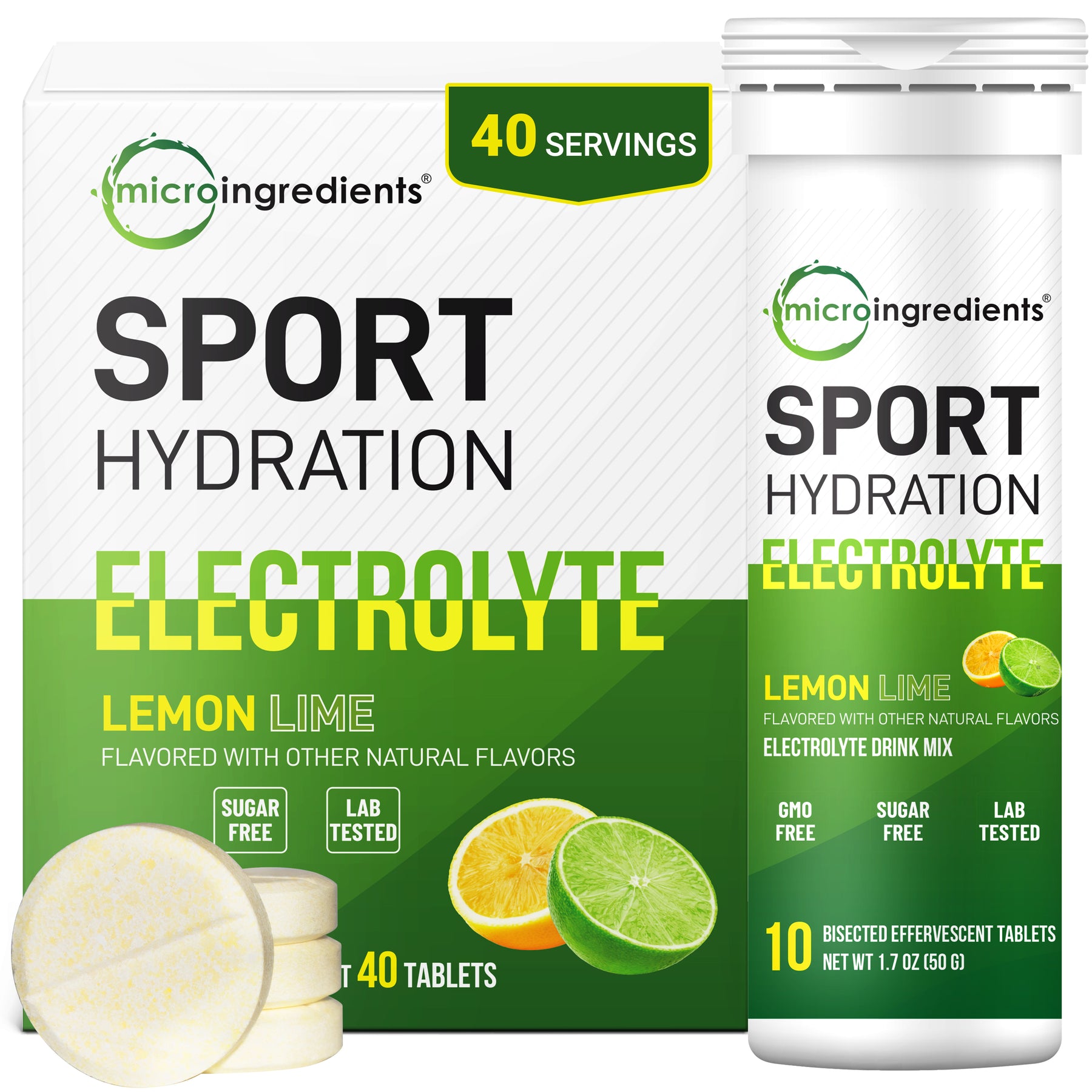
Sport Hydration Electrolyte (Lemon Lime)
💧 for Hydration
85
Trace Minerals
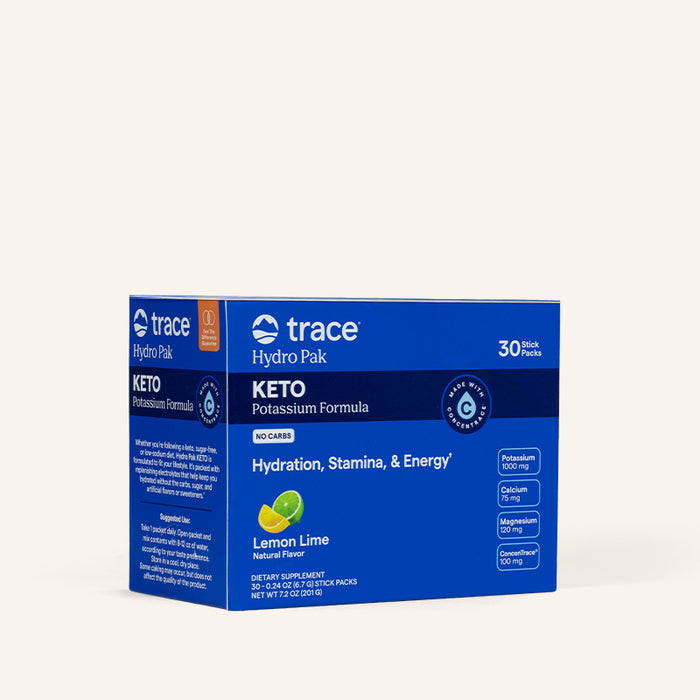
Hydro Pak Keto Potassium Formula (Lemon Lime)
💧 for Hydration
81
Dr. Berg
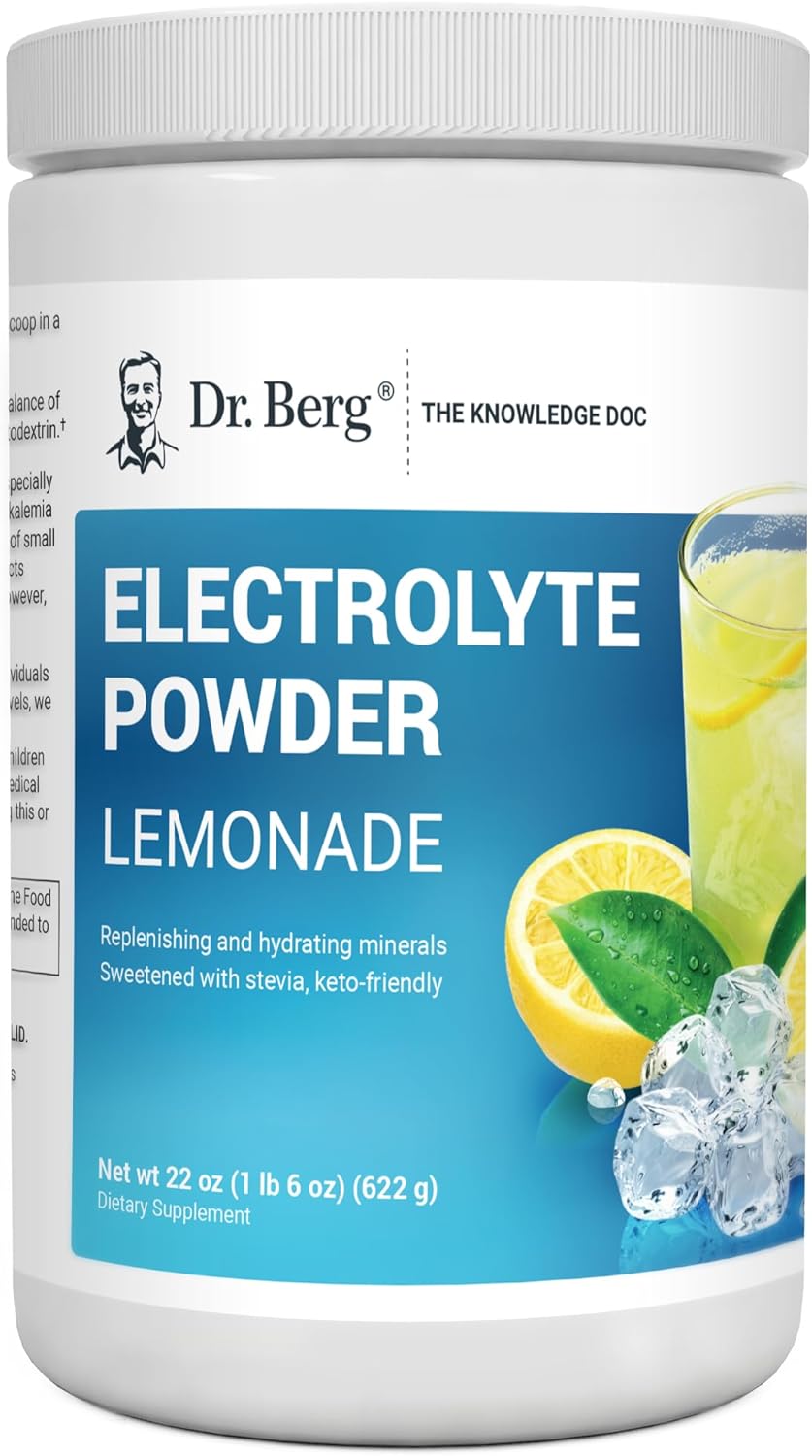
Electrolyte Powder (Lemonade)
💧 for Hydration
76
Trace Minerals
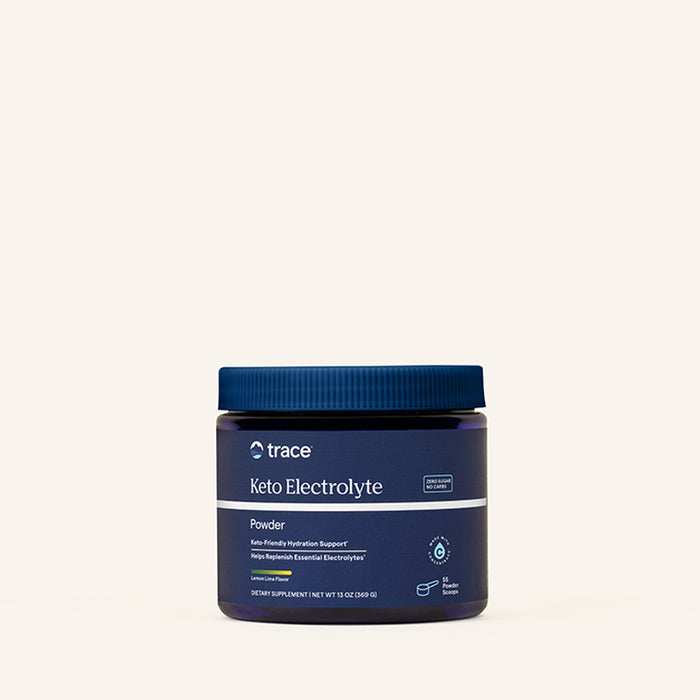
Keto Electrolyte Powder (Lemon Lime)
💧 for Hydration
76
Sources & Scoring
Nutrient data (RDA, UL, and safety thresholds) sourced from the NIH Office of Dietary Supplements and the National Academies Dietary Reference Intakes (DRI).
This is not medical advice. Consult a healthcare provider before making changes to your supplement routine.
The score analyzes what's on the label: ingredient doses vs. studied ranges, chemical forms, evidence levels, and known interactions. It does not verify label accuracy or test for contaminants — for that, look for third-party certifications like USP or NSF.
Not medical advice. Consult your healthcare professional.