This is folate dosed for everyday maintenance: 400 mcg of **L-methylfolate** (Metafolin), exactly the daily requirement and the amount recommended for women of childbearing age to lower the risk of neural-tube defects before and during early pregnancy. You're getting the active form your body uses directly, so it works even if you're among the 40-50% of people whose MTHFR gene variant blocks efficient conversion of synthetic folic acid.
The label's 667 mcg DFE is just the regulatory way of expressing 400 mcg of methylfolate, since the active form counts as roughly 1.7x. That puts you right at the clinical floor for folate status and preconception coverage.
This is a maintenance dose, not a therapeutic one. If you're correcting diagnosed low folate or following a protocol that calls for more, you'd reach for a 1,000 mcg-plus product; for routine daily intake, 400 mcg is the target.
BioStacks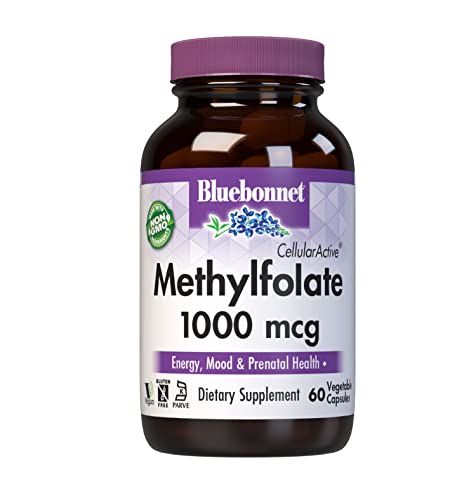
Ingredients (2)
Folate
100%Dose
667 mcg DFE
Target
400–800 mcg
Form
Premium
L-5-MTHF
100%Dose
400 mcg
Target
400–800 mcg
Form
Premium
Other Ingredients (2)
Hypoallergenic Plant FiberFiller
Plant-derived cellulose fiber used as a hypoallergenic filler, common in Thorne and Pure Encapsulations products
Capsule ShellCapsule
Generic capsule shell where the label does not specify the material. Common materials are hypromellose (HPMC) for vegetarian capsules and gelatin for traditional capsules — both are GRAS-listed and safe. Fish gelatin and pullulan variants also exist.
How to Take It
Take it anytime
Water-soluble — timing is flexible. Consistency matters more than the clock.
With or without food
On the label
As a dietary supplement, take 1 capsule daily, with a meal, or as directed by a health professional.
General guidance based on the ingredients, not a substitute for the label or your doctor.
Price Check
$21.20
Near the median of 138 vitamin B9 supplements
Track this supplement in your stack
Get personalized insights, interactions, and coverage recommendations.
Get Started FreeSimilar Supplements
Bluebonnet
CellularActive Methylfolate 1000 mcg
🤰 for Pregnancy
100
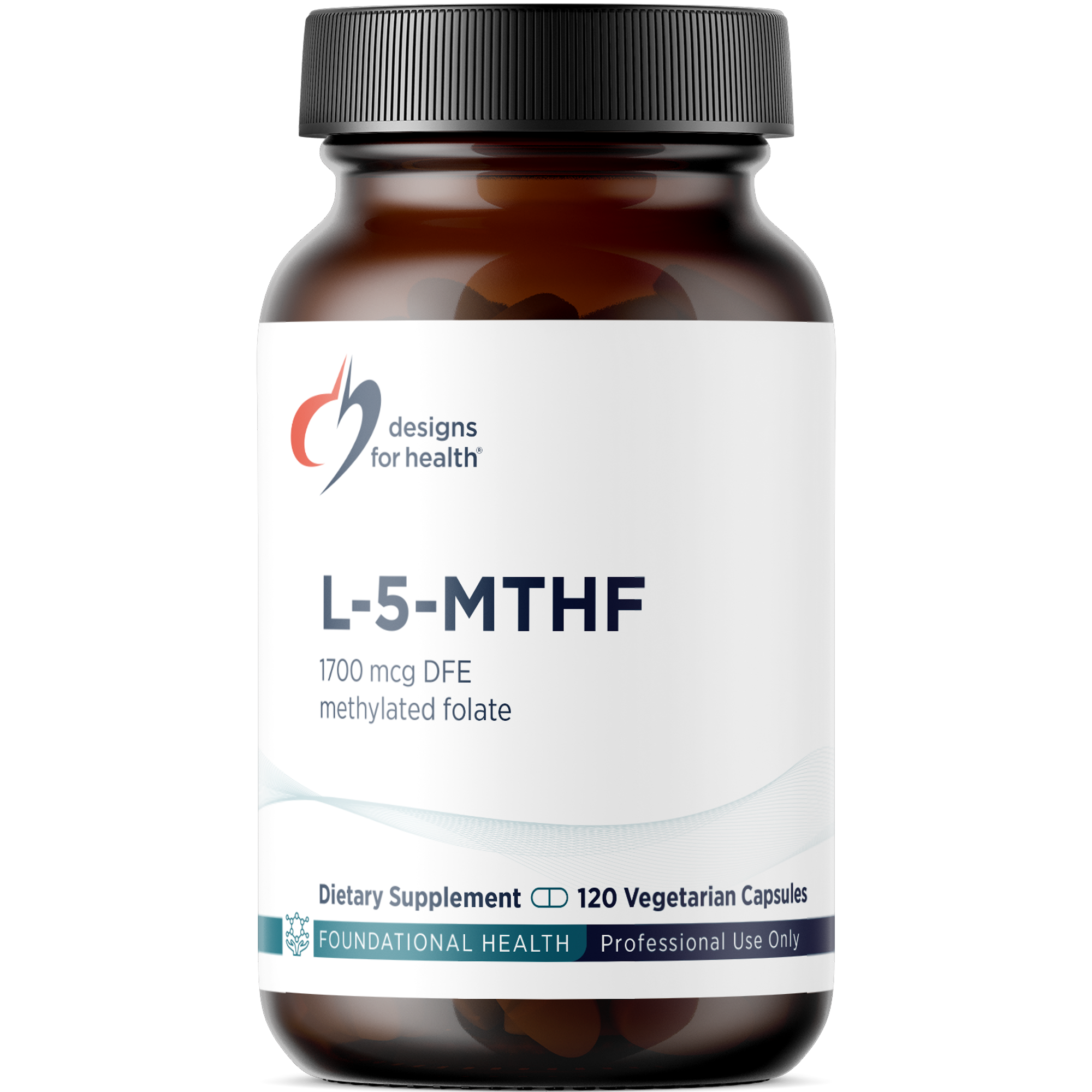
Designs for Health
L-5-MTHF 1700 mcg
🤰 for Pregnancy
100
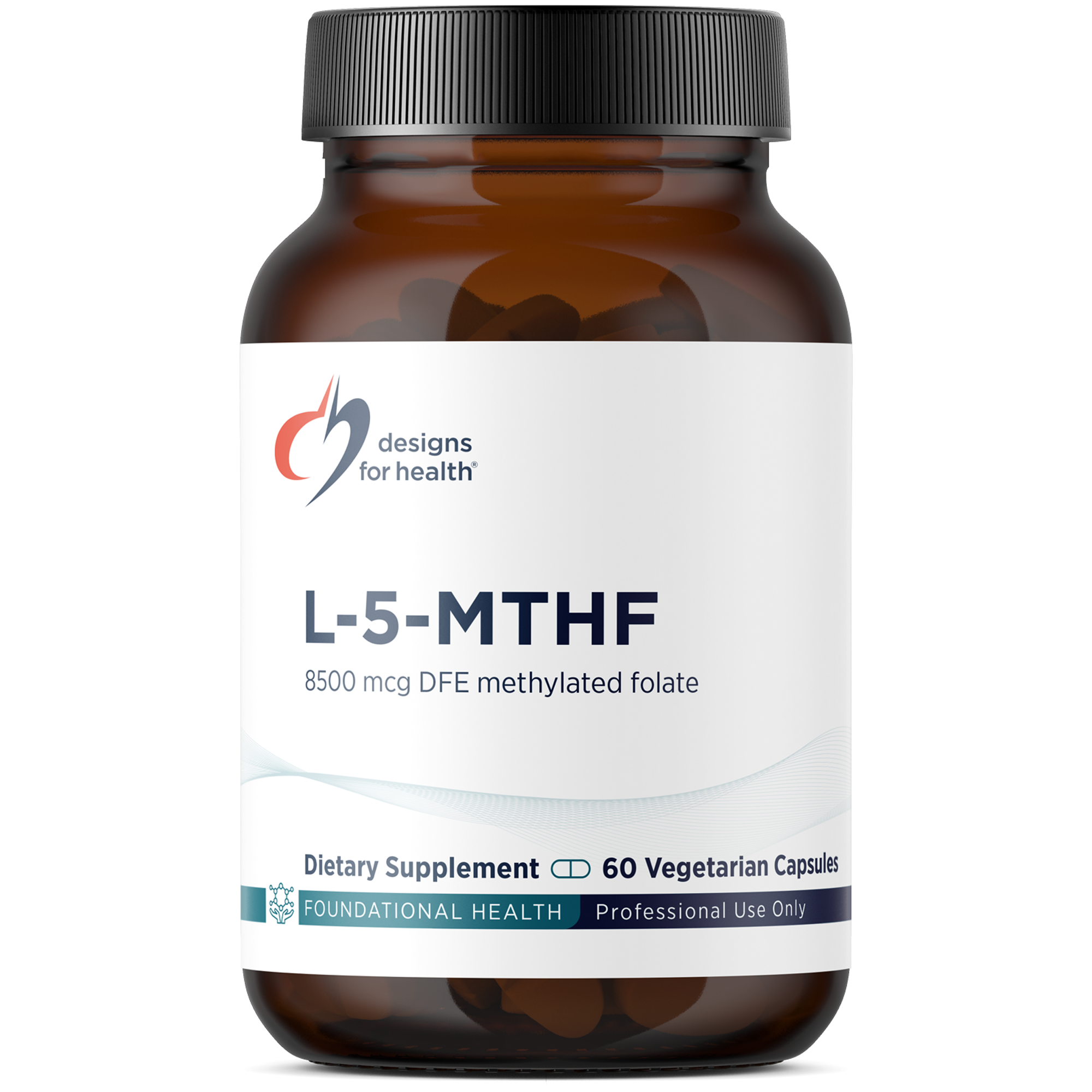
Designs for Health
L-5-MTHF 8500 Mcg
🤰 for Pregnancy
100
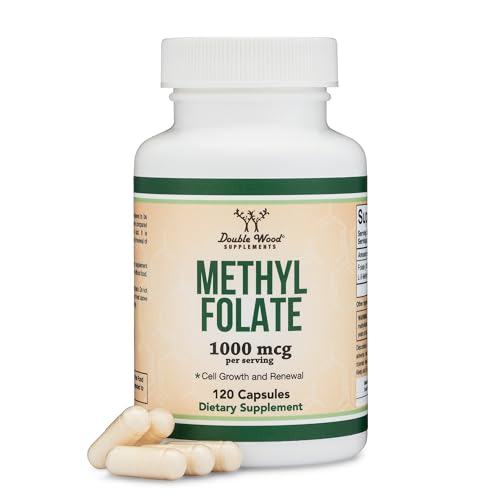
Double Wood Supplements
Methyl Folate 1000mcg
🤰 for Pregnancy
100
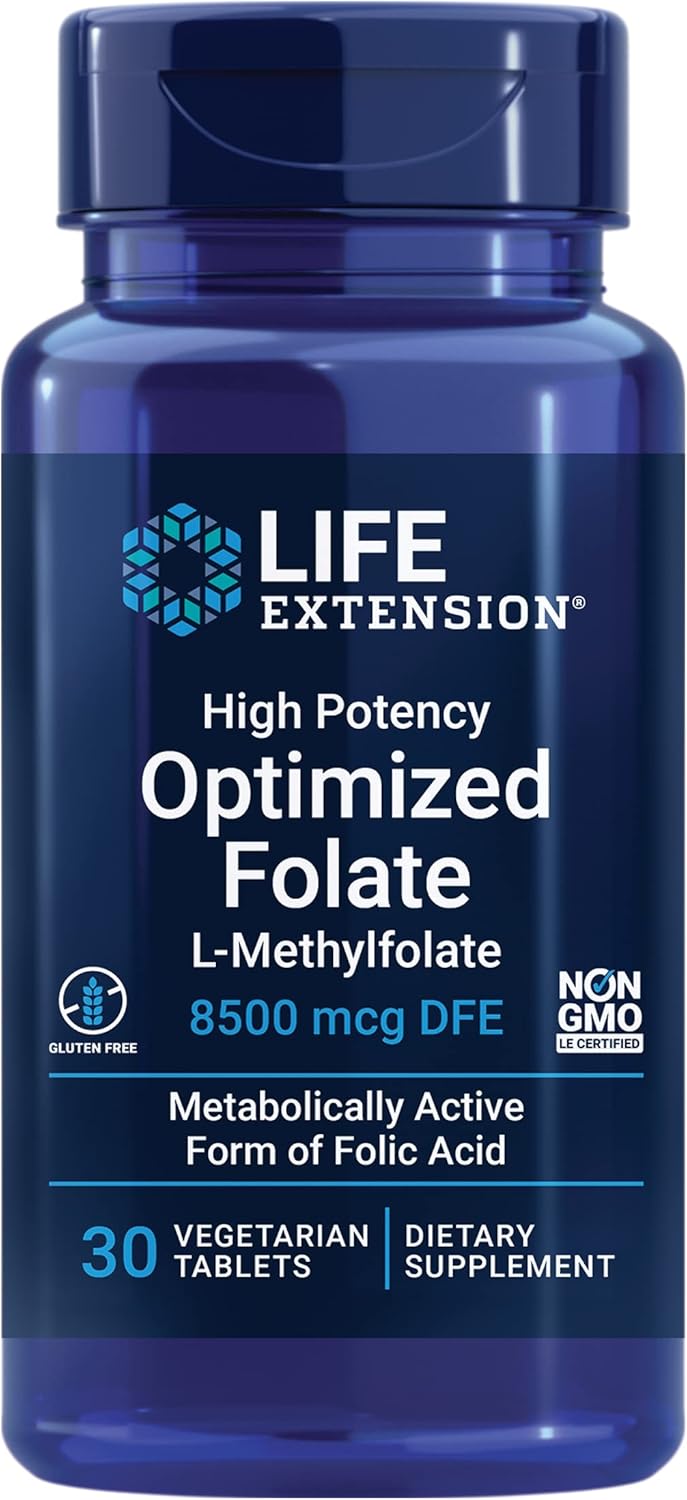
Life Extension
High Potency Optimized Folate 8500 mcg DFE
🤰 for Pregnancy
100
Sources & Scoring
Nutrient data (RDA, UL, and safety thresholds) sourced from the NIH Office of Dietary Supplements and the National Academies Dietary Reference Intakes (DRI).
This is not medical advice. Consult a healthcare provider before making changes to your supplement routine.
The score analyzes what's on the label: ingredient doses vs. studied ranges, chemical forms, evidence levels, and known interactions. It does not verify label accuracy or test for contaminants — for that, look for third-party certifications like USP or NSF.