Clinical research on **L-Glutamine** for gut health and immune support uses 5–15g per day — and getting there with this product takes real commitment. Each serving is three capsules delivering 1,500mg, with a suggested use of up to three servings daily. At maximum intake (nine capsules), you're at 4,500mg, which still falls just short of the 5,000mg clinical minimum.
The free-form L-Glutamine used here is the standard supplemental form with good absorption. No fillers or extras — just the amino acid in vegetable capsules, which keeps it straightforward if you're adding it to your daily routine.
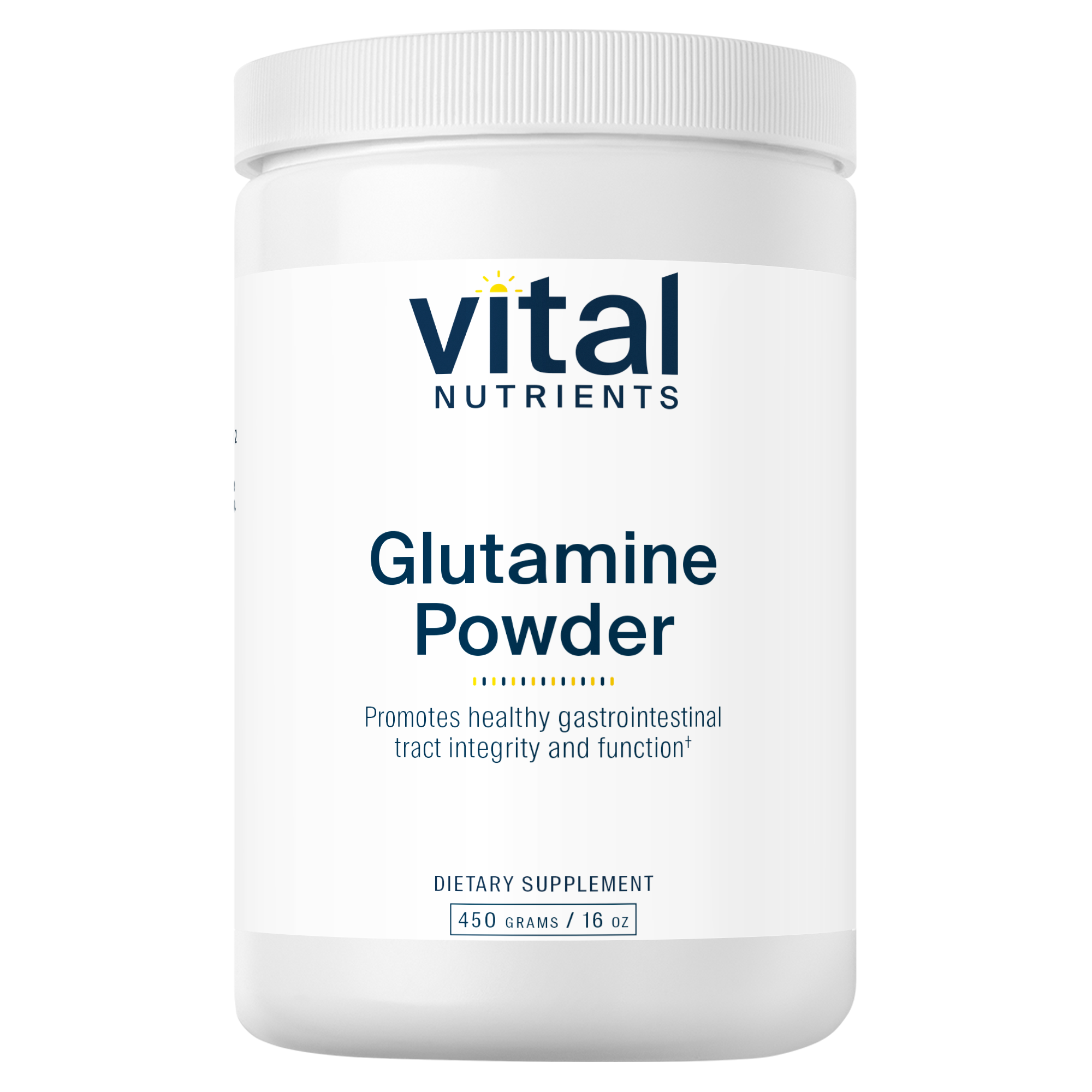
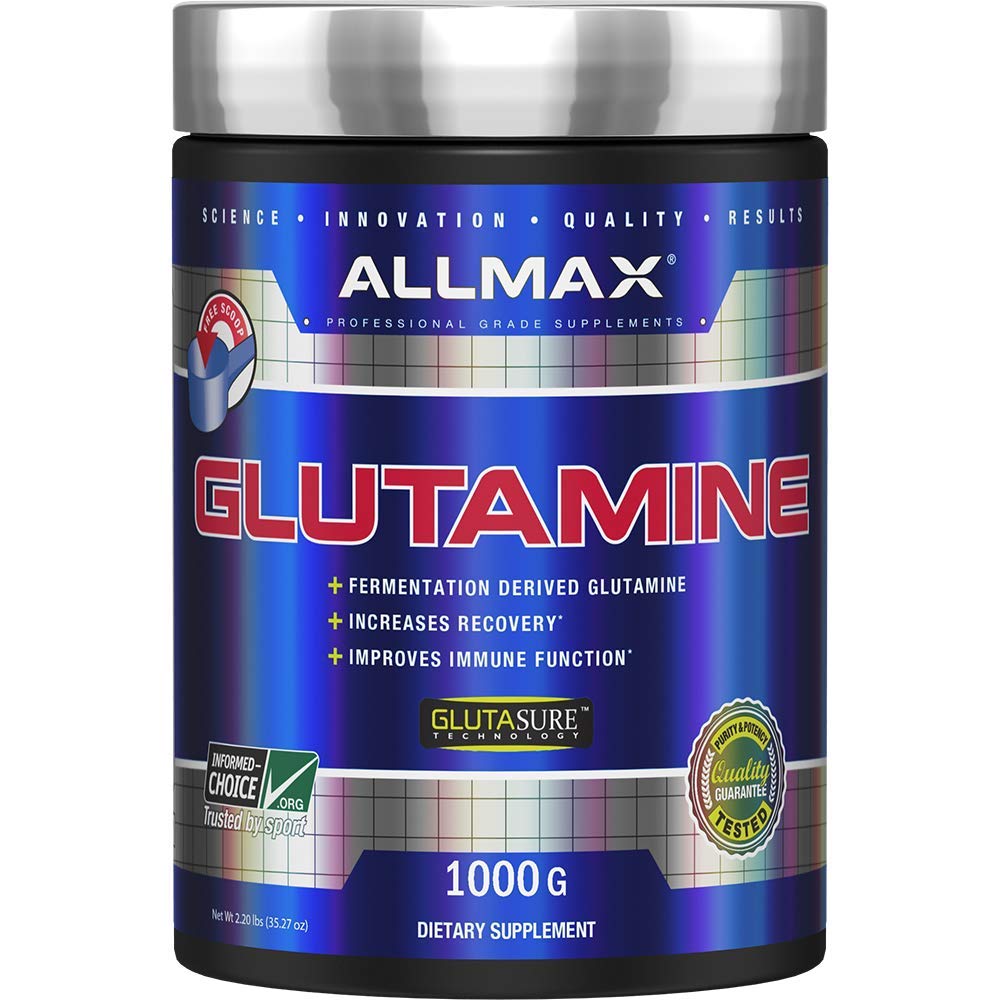
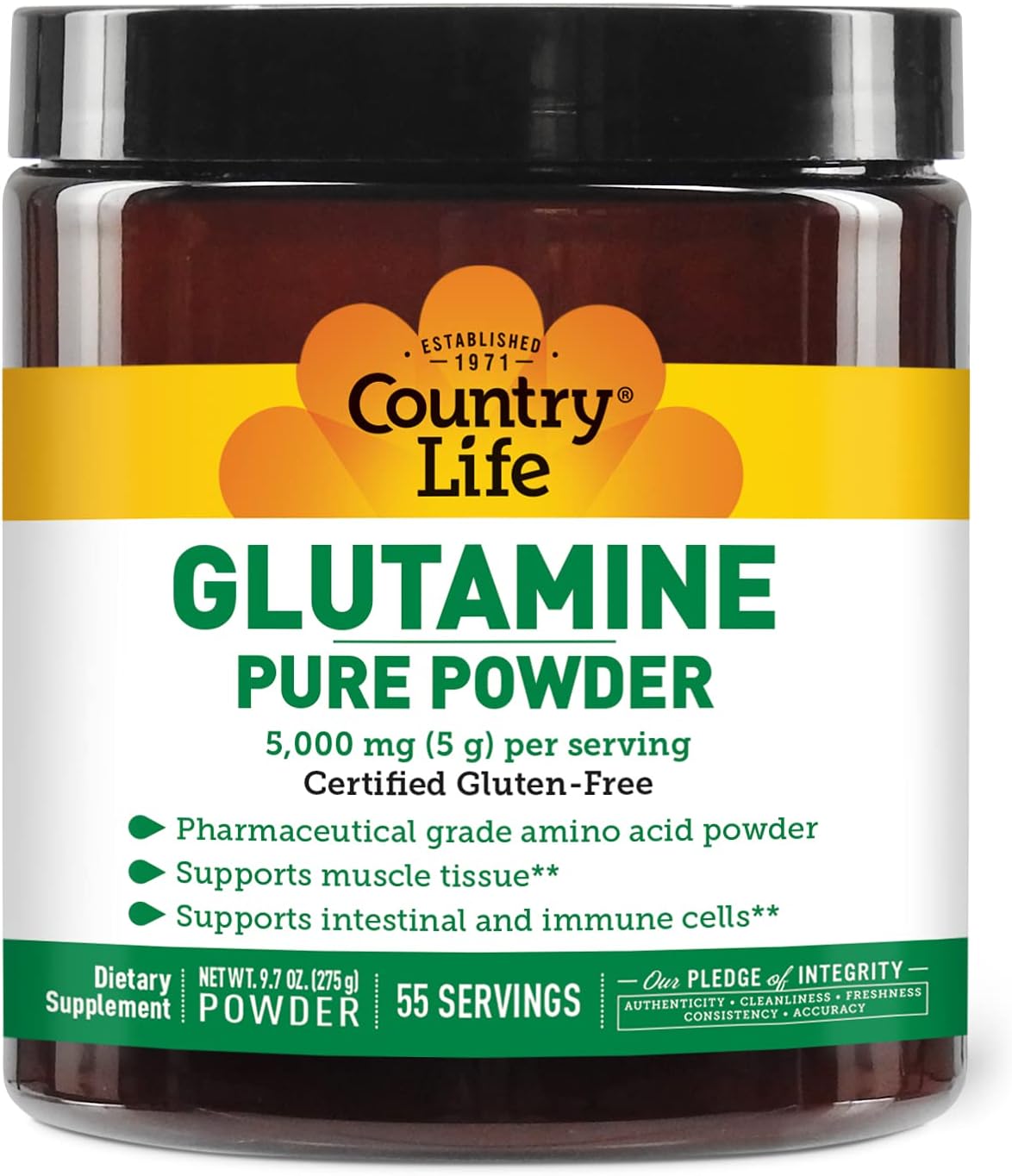
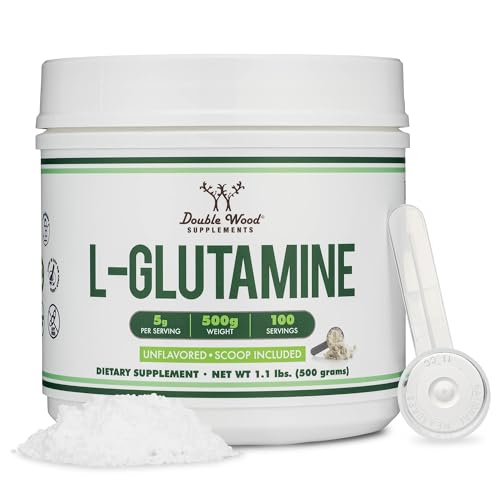
The real tradeoff is pill burden versus dose. Nine capsules a day to approach a clinical dose is a lot to keep up with. If gut support or recovery is your goal, a powder format would let you hit effective doses far more practically.
BioStacks
Other Ingredients (4)
Magnesium StearateLubricant
A salt of stearic acid used as a lubricant in tablet and capsule production
Microcrystalline CelluloseBinder
Plant-derived cellulose used as a binder and filler in supplements
Stearic AcidLubricant
Saturated fatty acid used as tablet lubricant
Microcrystalline CelluloseBinder
Plant-derived cellulose used as a binder and filler in supplements
How to Take It
Take it anytime
Take between meals — it competes with other amino acids for absorption.
On an empty stomach
On the label
Suggested Use: As a dietary supplement for adults, take three (3) vegetable capsules up to three times daily, between meals or as directed by a healthcare practitioner.
General guidance based on the ingredients, not a substitute for the label or your doctor.
Price Check
$13.49
Cheaper than 81% of 74 glutamine supplements
Track this supplement in your stack
Get personalized insights, interactions, and coverage recommendations.
Get Started FreeSimilar Supplements
Sources & Scoring
Nutrient data (RDA, UL, and safety thresholds) sourced from the NIH Office of Dietary Supplements and the National Academies Dietary Reference Intakes (DRI).
This is not medical advice. Consult a healthcare provider before making changes to your supplement routine.
The score analyzes what's on the label: ingredient doses vs. studied ranges, chemical forms, evidence levels, and known interactions. It does not verify label accuracy or test for contaminants — for that, look for third-party certifications like USP or NSF.