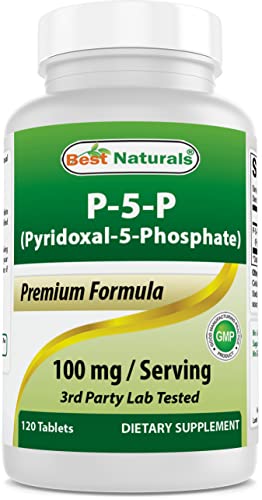
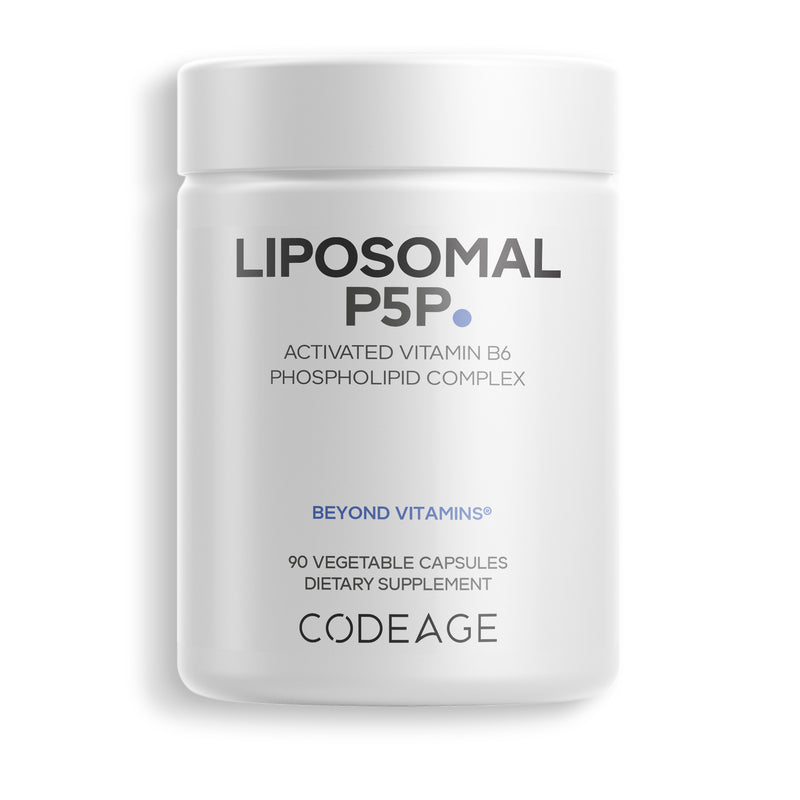
This is vitamin B6 in its already-active **pyridoxal-5'-phosphate** (P5P) form — the coenzyme your body normally has to build before it can use B6 at all, so it goes straight to work supporting energy metabolism and mood. Skipping that conversion step is the reason to choose this form if you convert ordinary B6 poorly: the P5P heads directly into making neurotransmitters like serotonin and dopamine.
The 100mg on the label is the weight of the P5P, which supplies about 60mg of actual vitamin B6 — inside the 25–100mg range used in research, so one tablet covers your full daily need.
Worth knowing: B6 is the only B vitamin with a real toxicity ceiling. Chronic intake above the 100mg daily upper limit can cause reversible nerve damage, and at ~60mg you're already using a good share of that headroom — so don't stack this with a B-complex or energy drink that adds more.
BioStacks
Best for
Ingredients (2)
Pyridoxal 5-Phosphate
100%Dose
100 mg
Target
25–100 mg
Form
Premium
Vitamin B6
100%Dose
60 mg
Target
25–100 mg
Form
—
Other Ingredients (3)
Silicon DioxideAnti-caking
Fine silica powder used to prevent clumping
Microcrystalline CelluloseBinder
Plant-derived cellulose used as a binder and filler in supplements
Stearic AcidLubricant
Saturated fatty acid used as tablet lubricant
How to Take It
Best taken in the morning
Many people prefer B-vitamins earlier in the day; take with food to avoid nausea.
With food
On the label
1 tablet daily.
General guidance based on the ingredients, not a substitute for the label or your doctor.
Price Check
$17.92
Pricier than 71% of 89 vitamin B6 supplements
Track this supplement in your stack
Get personalized insights, interactions, and coverage recommendations.
Get Started FreeSimilar Supplements
Sources & Scoring
Nutrient data (RDA, UL, and safety thresholds) sourced from the NIH Office of Dietary Supplements and the National Academies Dietary Reference Intakes (DRI).
This is not medical advice. Consult a healthcare provider before making changes to your supplement routine.
The score analyzes what's on the label: ingredient doses vs. studied ranges, chemical forms, evidence levels, and known interactions. It does not verify label accuracy or test for contaminants — for that, look for third-party certifications like USP or NSF.