A single softgel gives you 1,040mg of total **Omega-3 Fatty Acids** — just clearing the 1,000mg minimum used in clinical research for heart and brain health. The EPA-heavy ratio (690mg **EPA** to 260mg **DHA**) tilts this toward inflammation and mood support, where EPA is the more studied fatty acid. For cardiovascular or anti-inflammatory goals at higher clinical doses (2,000–3,000mg), you'd need two to three softgels daily.
The omega-3s are delivered in triglyceride form, which your body absorbs significantly better than the ethyl ester form used in many fish oils. With 90 softgels per bottle, you're looking at a 1–3 month supply depending on how many you take per day.
**DHA** at 260mg per softgel is on the lower end for cognitive or eye health goals — most brain-focused studies use 500–1,000mg of DHA daily. If brain support is your primary reason for taking fish oil, you'd want at least two softgels to reach a more meaningful DHA dose.
BioStacks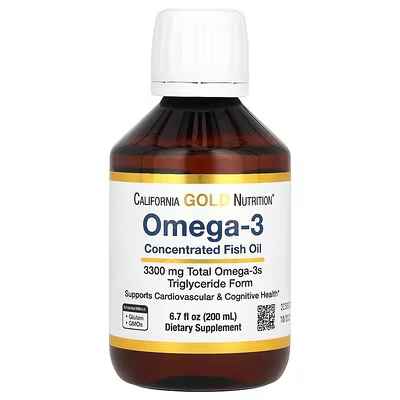
Ingredients (2)
EPA
100%Dose
690 mg
Target
500–2000 mg
Form
—
DHA
100%Dose
260 mg
Target
250–1000 mg
Form
—
Other Ingredients (2)
SoftgelCapsule
One-piece gelatin capsule shell with a plasticizer (typically glycerin), used to encapsulate liquid or oil-based supplements
Mixed TocopherolsAntioxidant
Natural vitamin E used as preservative
How to Take It
Take it anytime
Take with a meal — absorption improves with dietary fat and it prevents fishy burps.
With food
General guidance based on the ingredients, not a substitute for the label or your doctor.
Price Check
$27.97
Near the median of 382 omega-3 supplements
Track this supplement in your stack
Get personalized insights, interactions, and coverage recommendations.
Get Started FreeSimilar Supplements
Momentous
Omega-3
❤️ for Heart
100
California Gold Nutrition
Norwegian Extra Strength Omega 3 Fish Oil, Natural Lemon, 6.7 fl oz (200 ml)
❤️ for Heart
99
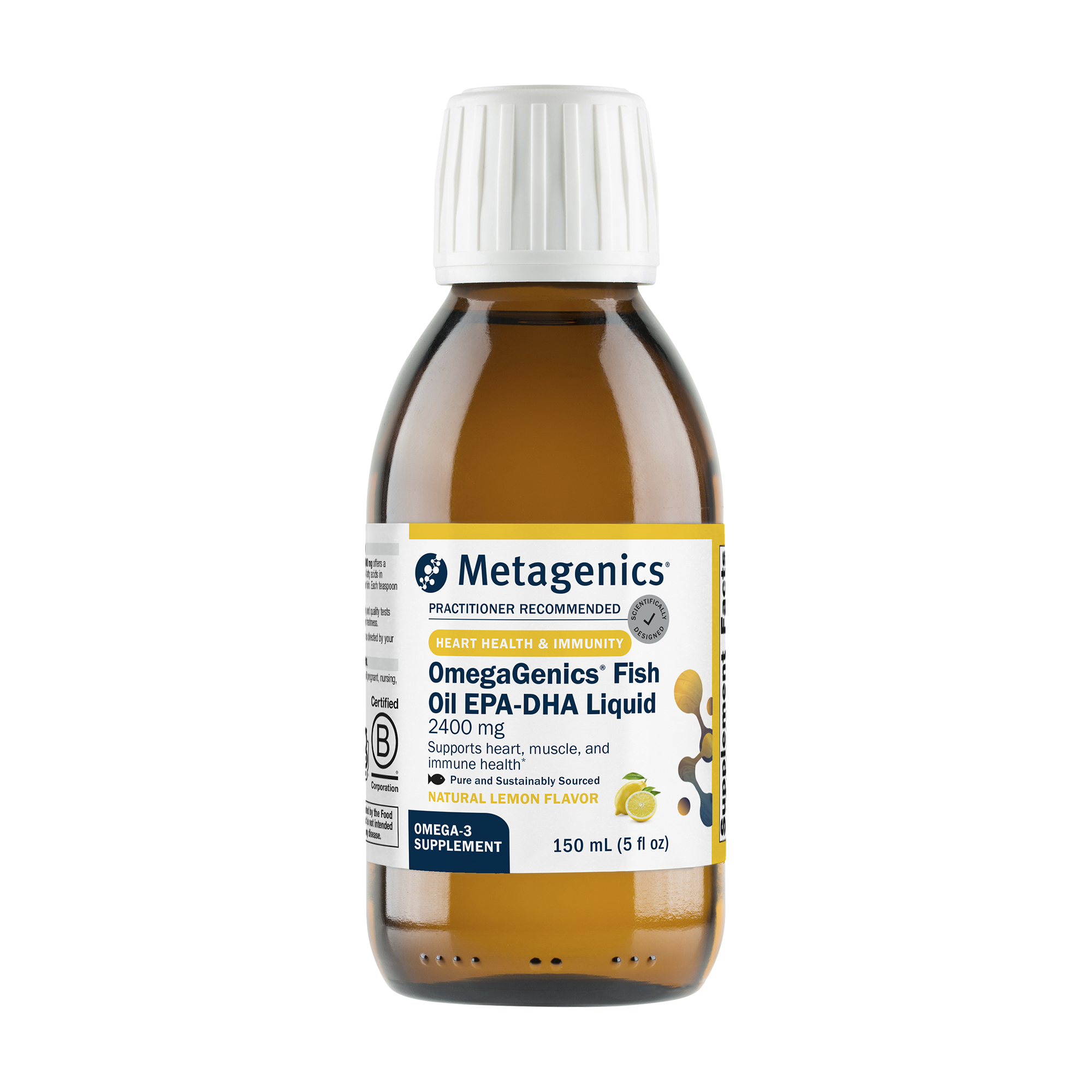
Metagenics
OmegaGenics Fish Oil EPA-DHA 2400 mg (Lemon)
❤️ for Heart
99
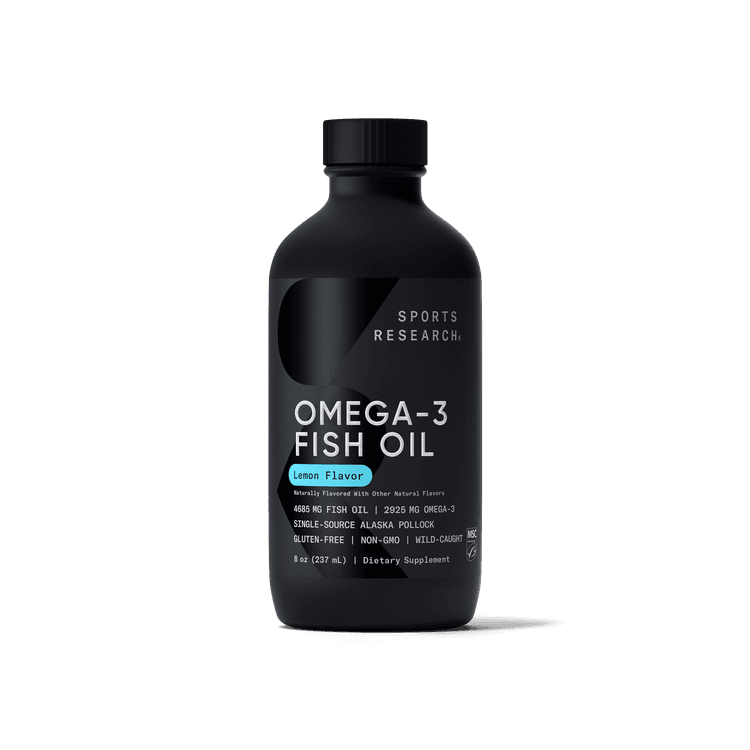
Sports Research
Omega-3 Fish Oil Liquid (Lemon Flavor)
❤️ for Heart
99
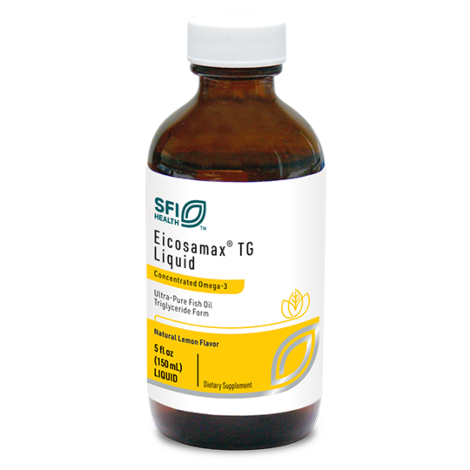
SFI Health
Eicosamax TG Liquid Natural Lemon Flavor
❤️ for Heart
98
Sources & Scoring
Nutrient data (RDA, UL, and safety thresholds) sourced from the NIH Office of Dietary Supplements and the National Academies Dietary Reference Intakes (DRI).
This is not medical advice. Consult a healthcare provider before making changes to your supplement routine.
The score analyzes what's on the label: ingredient doses vs. studied ranges, chemical forms, evidence levels, and known interactions. It does not verify label accuracy or test for contaminants — for that, look for third-party certifications like USP or NSF.