BioStacksAsk AI about this product
What it does
A combination of 29 label ingredients.
PABA
Form not confirmedGrade —
Label lists PABA (50 mg). Benefit information is limited.
Boron
calcium borogluconateBudget
Label lists Boron (1 mg). Benefit information is limited.
Ingredients (30)
Other ingredients
Caramel ColorColor
Class III and IV caramel colors contain 4-methylimidazole (4-MEI), classified by IARC as Group 2B (possibly carcinogenic to humans) in 2011 (Monograph Vol. 101). California Prop 65 lists 4-MEI as a known carcinogen; products delivering >29 mcg/day require a cancer warning label. NTP TR-535 (2007) found 4-MEI caused lung tumors in mice. Major cola brands (Coca-Cola, Pepsi) voluntarily reformulated 2012-2014 to reduce 4-MEI below California thresholds. Because labels never specify Class I (sugar + heat only, safer) vs Class III/IV (ammonia-process, contains 4-MEI), consumers cannot verify which they're consuming. Combined with the additive's purely cosmetic purpose, the risk:benefit ratio is unfavorable for any supplement.
Glucose SyrupSweetener
High glycemic load; source typically corn (generally gluten-free)
Medium Chain Triglyceride OilCarrier
Fractionated oils rich in C8/C10 triglycerides used as neutral carrier or anti-sticking agent
BeeswaxCoating
Natural wax produced by honeybees, used as a coating and binding agent in softgels and tablets
Vegetable OilCarrier
Edible oils used as carriers in softgels and as processing aids
CarobFlavor
Roasted powder from carob tree pods, used as a caffeine-free chocolate/cocoa substitute for flavor and brown color
GelatinCapsule
Protein derived from collagen, used in traditional capsule shells
GlycerinHumectant
Sweet-tasting liquid used in soft capsules and liquids
Lab testing
How to take it
With a meal containing fat
Keep it away from coffee, tea and dairy
Space it a couple of hours from Green Tea Leaf Extract
On the label
As a dietary supplement, take 2 softgels daily or as directed by a healthcare practitioner.
Price check
$20.86
$0.35 / serving
Near the median of 798 multivitamins
Similar products
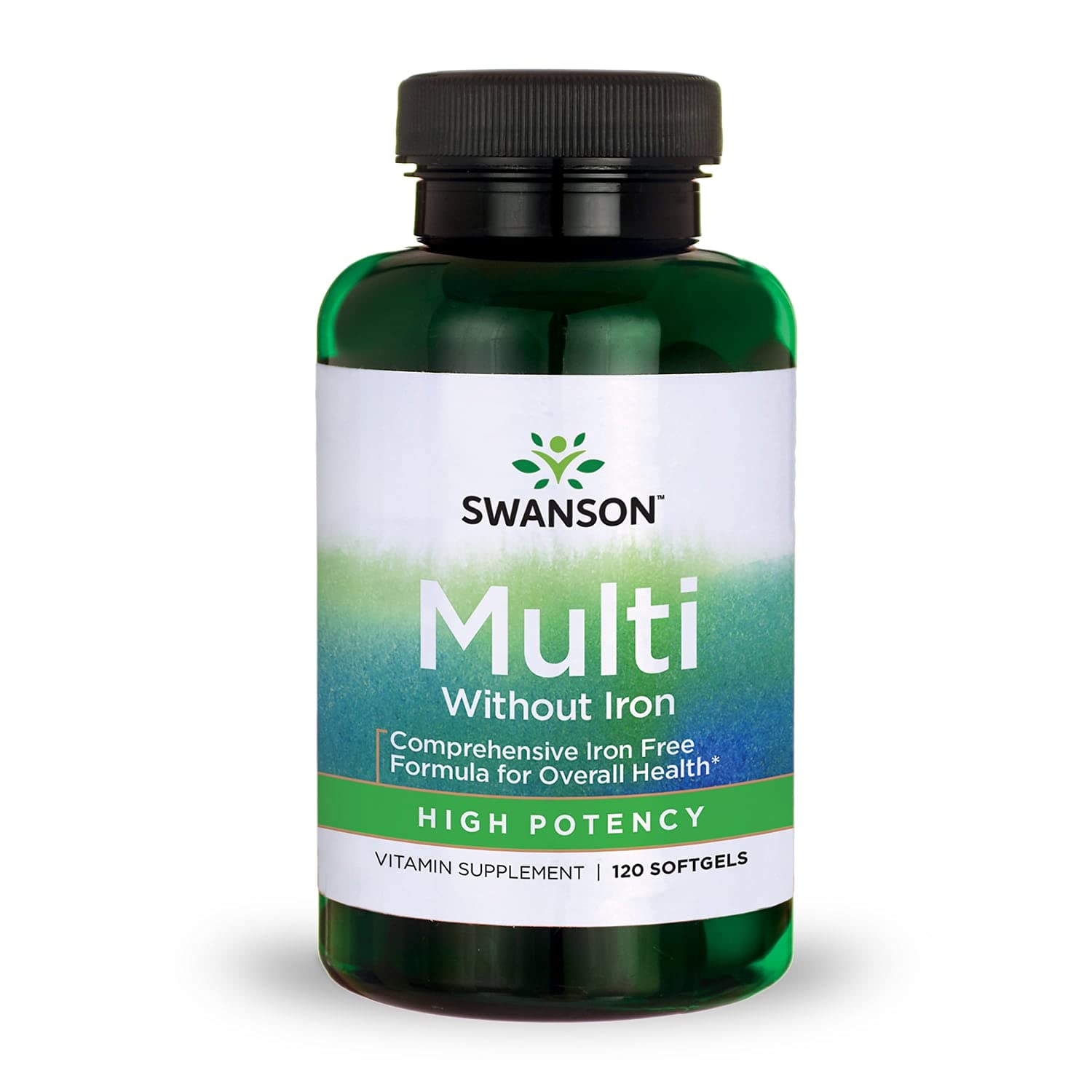
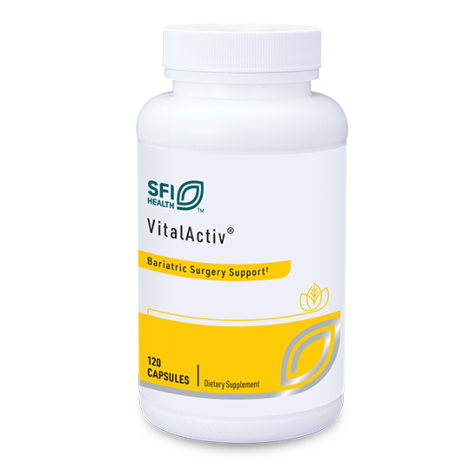
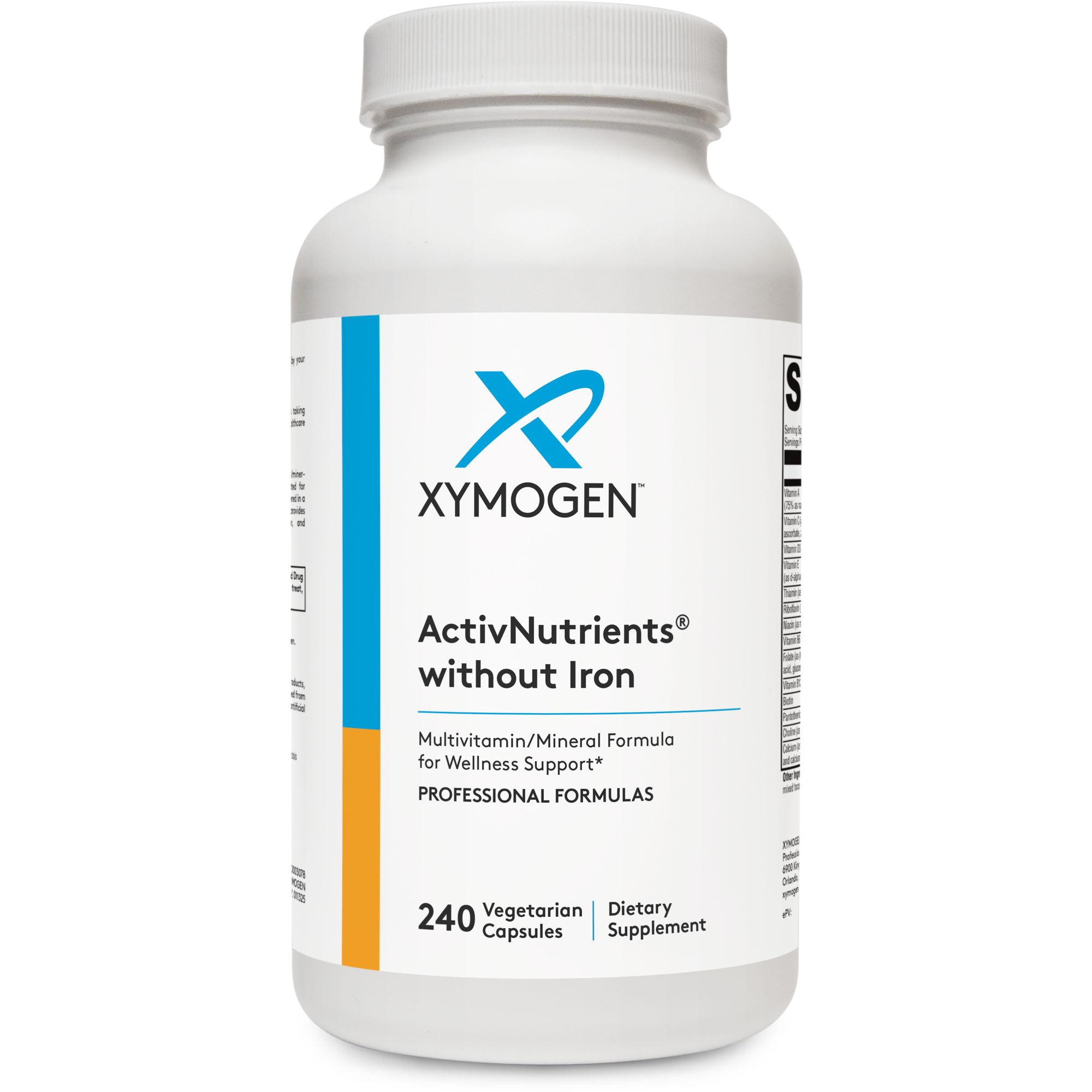
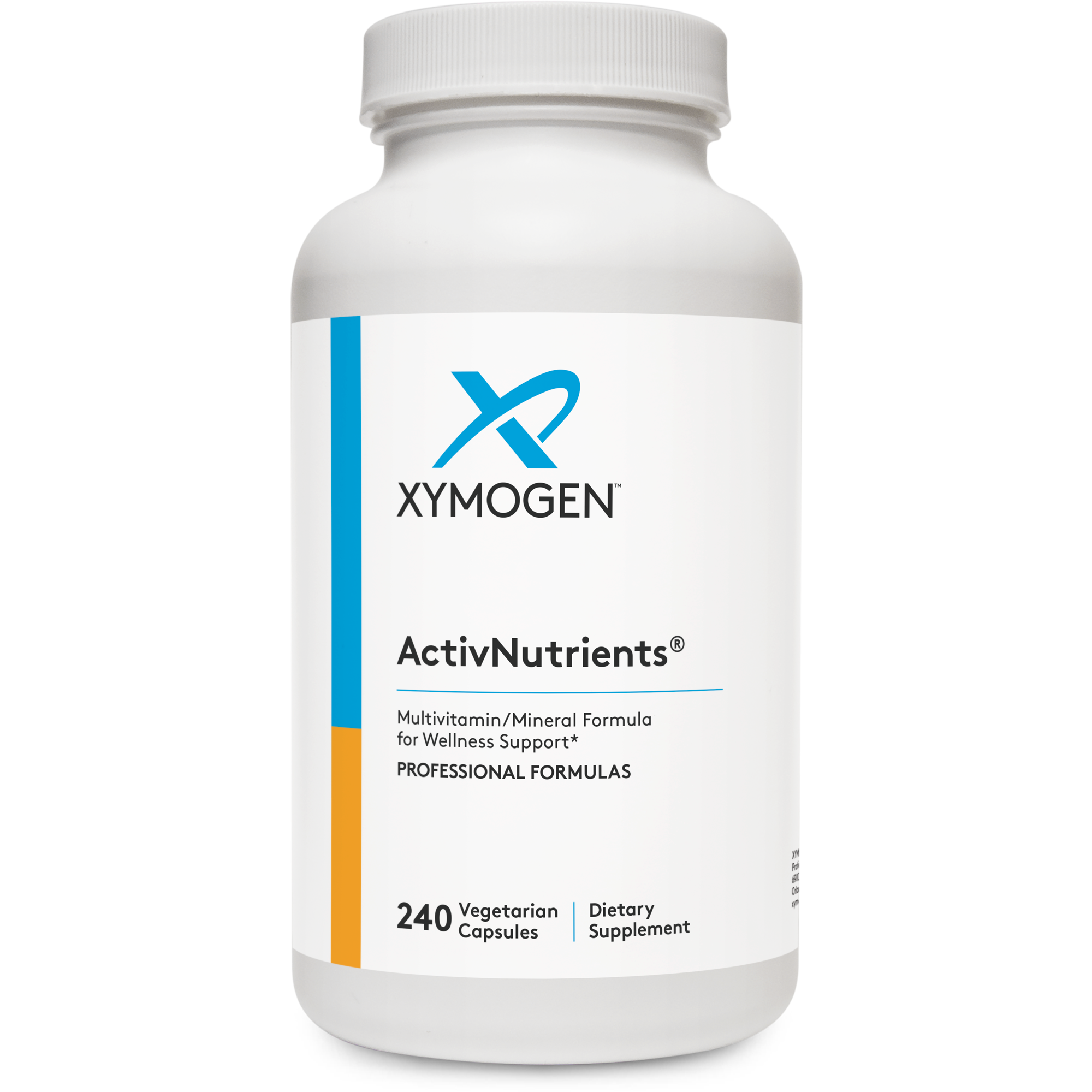
Sources & Scoring
Nutrient data (RDA, UL, and safety thresholds) sourced from the NIH Office of Dietary Supplements and the National Academies Dietary Reference Intakes (DRI).
This is not medical advice. Consult a healthcare provider before making changes to your supplement routine.
The score analyzes what's on the label: ingredient doses vs. studied ranges, chemical forms, evidence levels, and known interactions. It does not verify label accuracy or test for contaminants — for that, look for third-party certifications like USP or NSF.
Not medical advice. Consult your healthcare professional.