BioStacks
Best for
Ingredients (11)
L-Leucine
63%Dose
1250 mg
Target
2000–5000 mg
Form
—
L-Lysine
65%Dose
650 mg
Target
1000–3000 mg
Form
Standard
L-Threonine
70%Dose
350 mg
Target
500–4000 mg
Form
—
L-Cystine
60%Dose
150 mg
Target
250–700 mg
Form
—
L-Isoleucine
42%Dose
625 mg
Target
1500–4000 mg
Form
—
Other Ingredients (4)
Natural FlavorsFlavor
Broad regulatory category of flavor constituents derived from natural sources. Composition is proprietary and not disclosed — 'Natural Flavors' can include several hundred different compounds depending on the target flavor profile, including hexane-extracted constituents and proprietary carrier solvents. 'Natural' is a regulatory definition (21 CFR §101.22), not a safety guarantee.
Fruit Juice (unspecified)Colorant
Juice or juice concentrate used primarily for natural color and flavor in gummies
Citric AcidAcidulant
Natural acid derived from citrus fruits
Stevia ExtractSweetener
Zero-calorie natural sweetener extracted from the leaves of Stevia rebaudiana
How to Take It
Best taken in the evening
Take at night. Other amino acids compete for brain uptake, so a protein-heavy meal blunts it. Take it between meals, away from food.
On an empty stomach
Keep it away from protein-heavy meals
Space it a couple of hours from SAMe
On the label
Mix 1 stick pack with at least 8 ounces of water one to two times daily or as recommended by your health-care practitioner.
Do not combine with St. John's Wort
Each of these raises serotonin activity on top of St. John's Wort, and together they can trigger serotonin syndrome — agitation, rapid heartbeat, raised blood pressure. Not without medical supervision.
General guidance based on the ingredients, not a substitute for the label or your doctor.
Price Check
$54.00
Pricier than 70% of 165 muscle supplements
Track this supplement in your stack
Get personalized insights, interactions, and coverage recommendations.
Get Started FreeSimilar Supplements
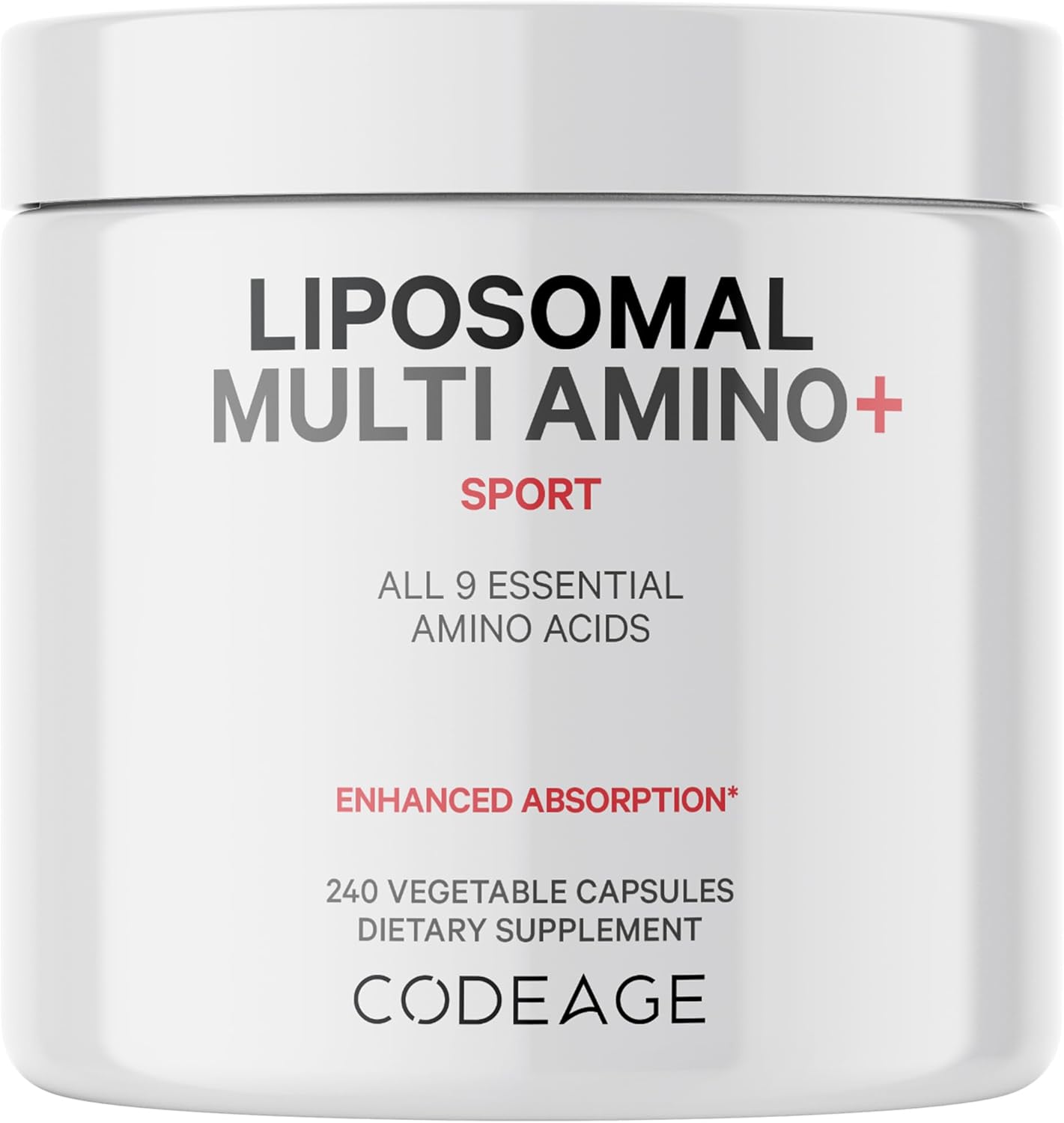
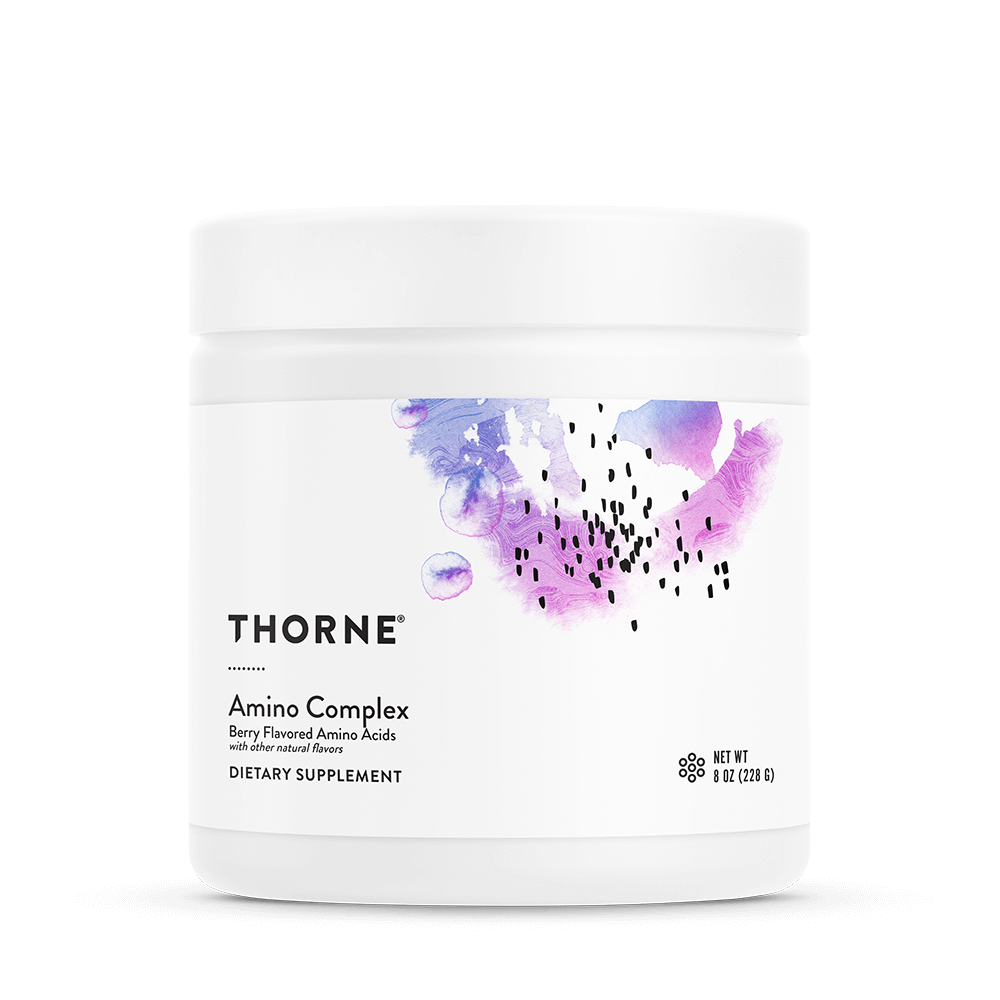
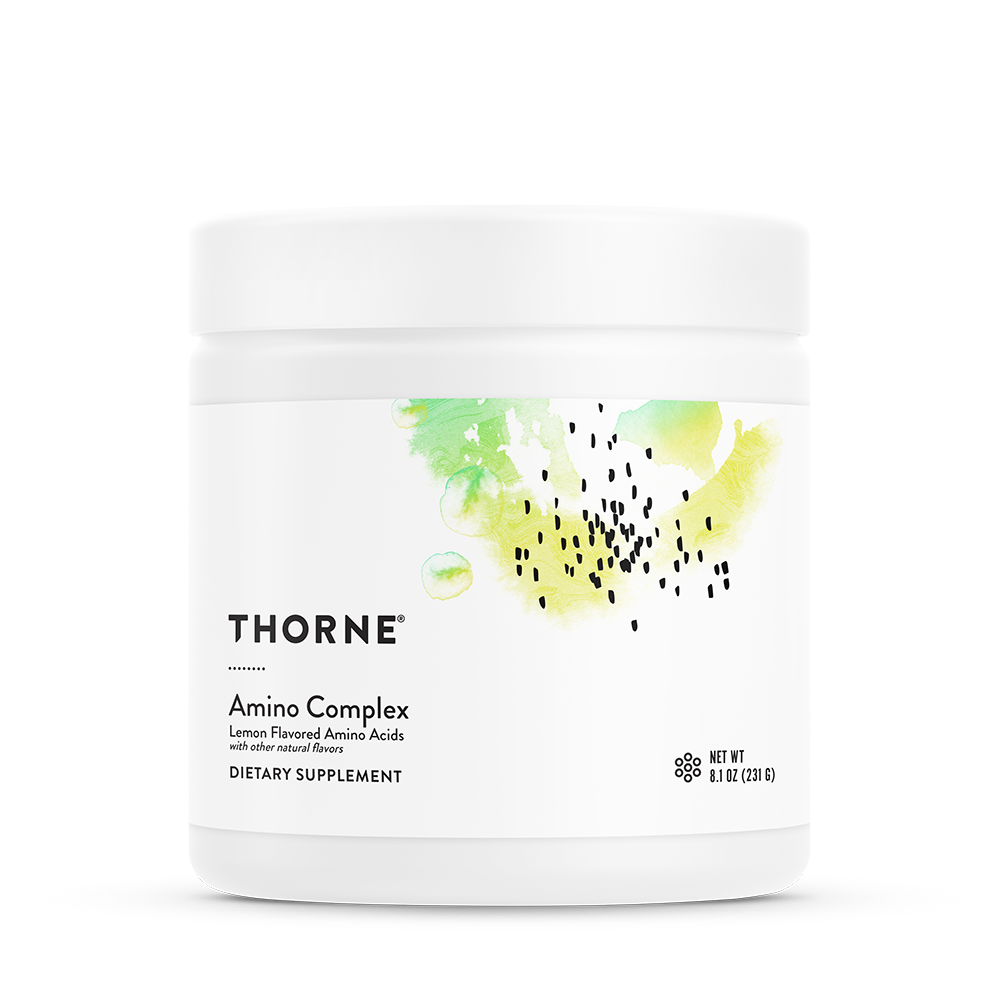
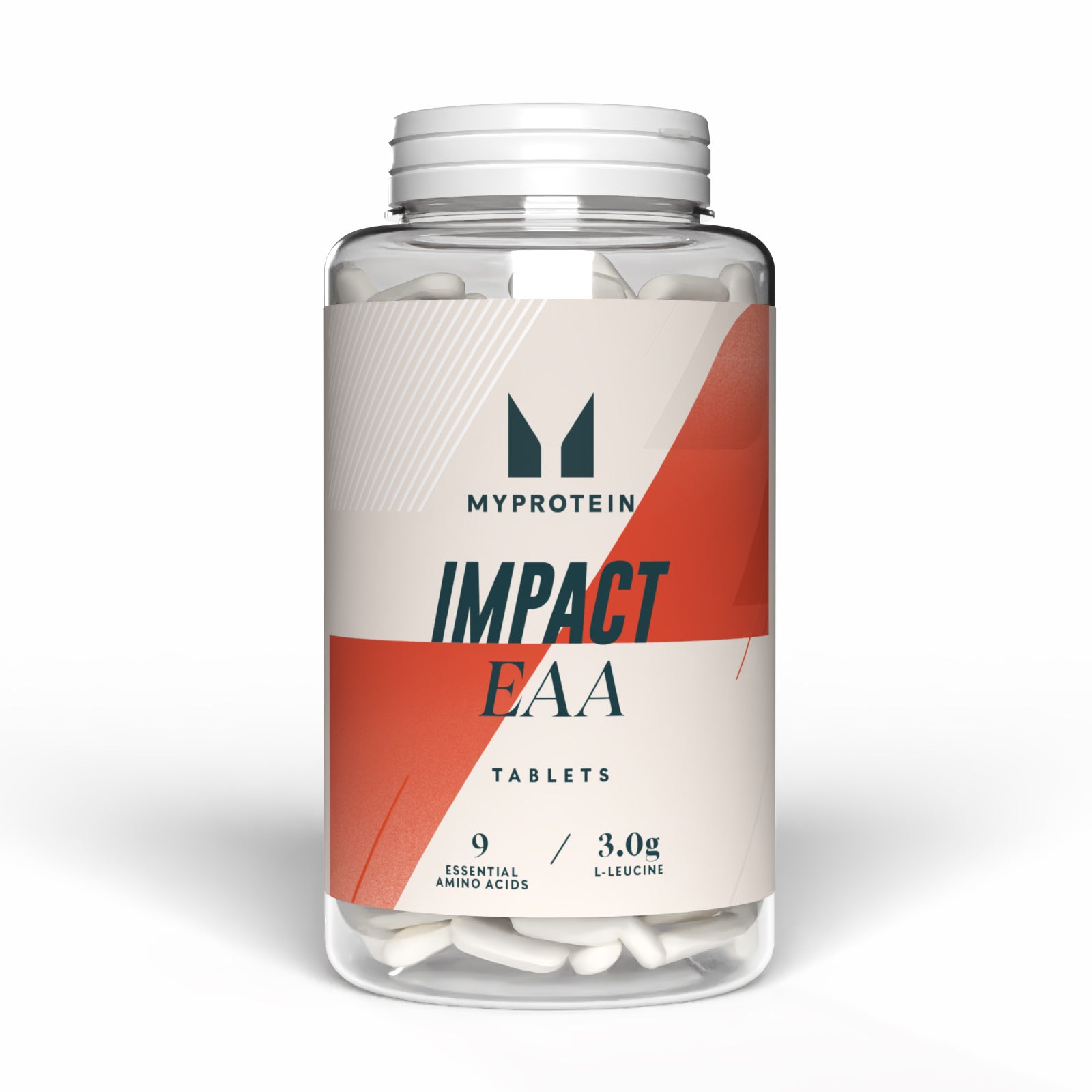
Sources & Scoring
Nutrient data (RDA, UL, and safety thresholds) sourced from the NIH Office of Dietary Supplements and the National Academies Dietary Reference Intakes (DRI).
This is not medical advice. Consult a healthcare provider before making changes to your supplement routine.
The score analyzes what's on the label: ingredient doses vs. studied ranges, chemical forms, evidence levels, and known interactions. It does not verify label accuracy or test for contaminants — for that, look for third-party certifications like USP or NSF.