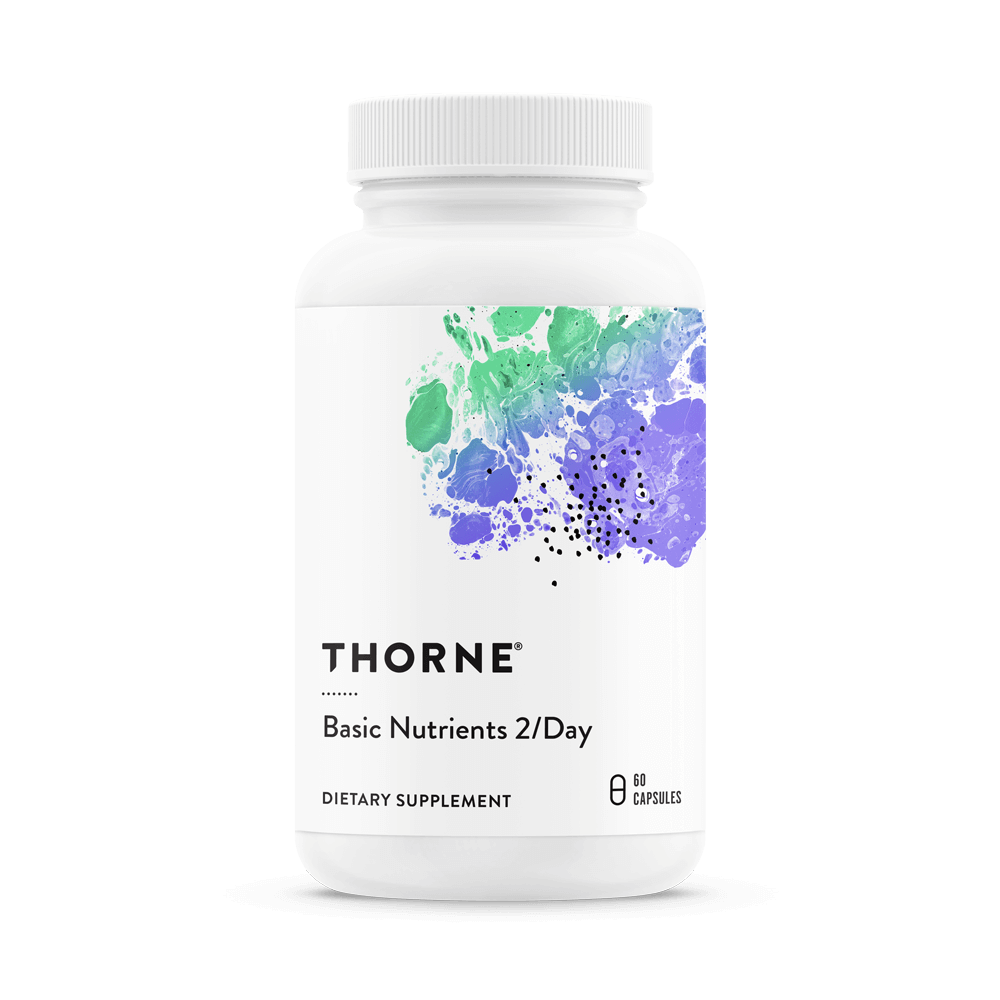
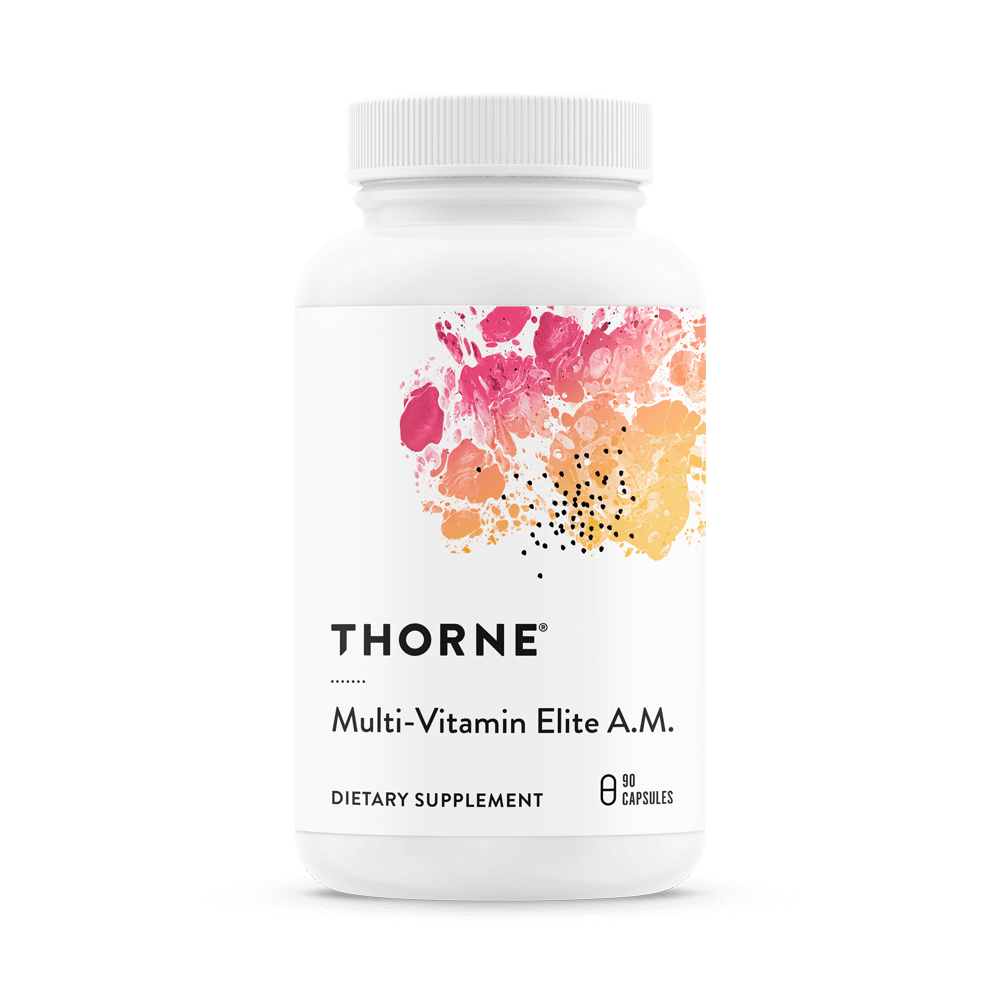
A two-capsule daily multi where every B vitamin uses a bioactive form your body can absorb directly — no conversion steps needed. **Vitamin D3** at 2,000 IU sits in the clinical sweet spot for maintaining healthy blood levels, and **Selenium** at 200 mcg in a well-absorbed form hits the top of the studied range for antioxidant and thyroid support.
**Zinc** at 15mg and **Vitamin C** at 250mg both land at the minimum effective dose, giving you a solid baseline. Built-in synergies like D3 + K2 and Selenium + Vitamin E are well-matched, though the **K2** is entirely MK-4, which clears your body in hours rather than the days you'd get from MK-7.
The biggest gap is **Magnesium** — just 20mg out of a 100–400mg clinical range. If magnesium matters to your goals, you'd need a separate supplement.
BioStacks
Best for
Ingredients (24)
Vitamin B6
100%Dose
20 mg
Target
1.3–25 mg
Form
Premium
Folate
100%Dose
667 mcg
Target
400–800 mcg
Form
Premium
Manganese
100%Dose
3 mg
Target
1.8–5 mg
Form
Premium
Vitamin D
100%Dose
2000 IU
Target
1000–5000 IU
Form
Premium
Vitamin B12
100%Dose
600 mcg
Target
250–5000 mcg
Form
Premium
Other Ingredients (3)
Calcium LaurateEmulsifier
Calcium salt of lauric acid used as a lubricant
Dicalcium PhosphateBinder
Calcium and phosphorus compound used as binder
HypromelloseCapsule
Plant-derived capsule material from cellulose
How to Take It
Take it anytime
No evidence a formula this broad works better at any particular hour. Take it with a meal containing fat — the vitamins A, D, E and K in it absorb poorly without one.
With a meal containing fat
Space it a couple of hours from Iron and Calcium
General guidance based on the ingredients, not a substitute for the label or your doctor.
Price Check
$36.00
Near the median of 798 multivitamins
Track this supplement in your stack
Get personalized insights, interactions, and coverage recommendations.
Get Started FreeSimilar Supplements
Sources & Scoring
Nutrient data (RDA, UL, and safety thresholds) sourced from the NIH Office of Dietary Supplements and the National Academies Dietary Reference Intakes (DRI).
This is not medical advice. Consult a healthcare provider before making changes to your supplement routine.
The score analyzes what's on the label: ingredient doses vs. studied ranges, chemical forms, evidence levels, and known interactions. It does not verify label accuracy or test for contaminants — for that, look for third-party certifications like USP or NSF.