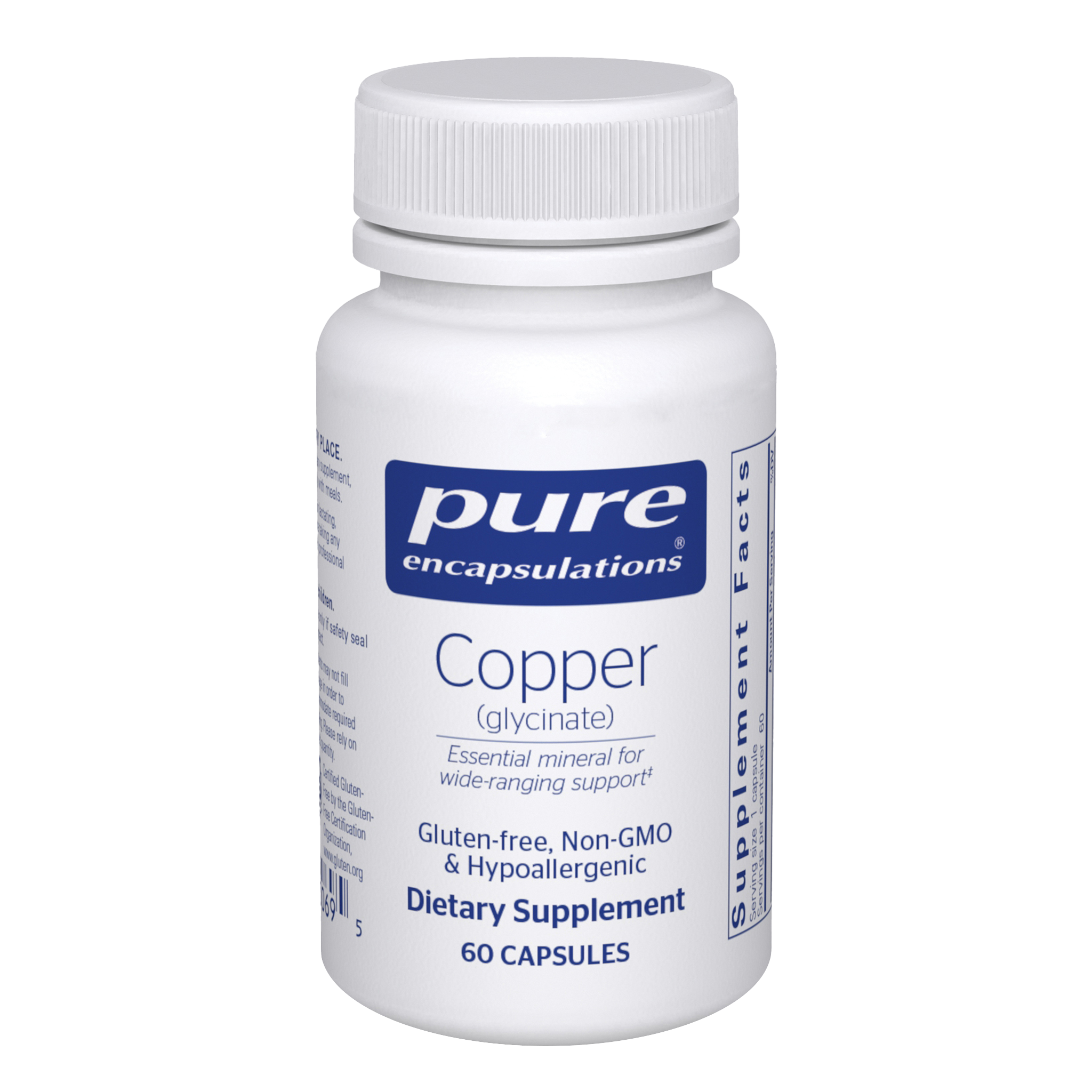
This standalone **copper** supplement delivers 2mg of elemental copper per capsule — sitting right at the top of the supplemental range and well under the 10mg safety ceiling. Its real value is balance: zinc and copper compete for absorption, and sustained high-dose zinc (above ~50mg daily) can slowly deplete your copper, so this is the counterweight that keeps the two in check.
The bisglycinate form is well absorbed and gentle on the stomach, so you're getting close to the full 2mg per capsule. Beyond the zinc trade-off, copper helps build collagen and connective tissue, which is where its modest skin relevance comes from.
One honest caveat: copper is a trace mineral most people already get enough of from food and multivitamins, so standalone supplementation is rarely needed unless your zinc intake is consistently high. If that's you, one capsule covers it — there's no reason to take more.
BioStacks
Other Ingredients (3)
HypromelloseCapsule
Plant-derived capsule material from cellulose
LeucineFlow Aid
Branched-chain amino acid used as a processing aid
Microcrystalline CelluloseBinder
Plant-derived cellulose used as a binder and filler in supplements
How to Take It
Take it anytime
Timing doesn't matter for this one — taking it consistently does.
With or without food
On the label
Take 1 capsule one to three times daily or as recommended by your health-care practitioner.
General guidance based on the ingredients, not a substitute for the label or your doctor.
Price Check
$17.00
Pricier than 75% of 29 copper supplements
Track this supplement in your stack
Get personalized insights, interactions, and coverage recommendations.
Get Started FreeSimilar Supplements
Sources & Scoring
Nutrient data (RDA, UL, and safety thresholds) sourced from the NIH Office of Dietary Supplements and the National Academies Dietary Reference Intakes (DRI).
This is not medical advice. Consult a healthcare provider before making changes to your supplement routine.
The score analyzes what's on the label: ingredient doses vs. studied ranges, chemical forms, evidence levels, and known interactions. It does not verify label accuracy or test for contaminants — for that, look for third-party certifications like USP or NSF.