This **magnesium bisglycinate** powder delivers 200mg of elemental magnesium per scoop in a well-absorbed form that's gentle on the gut — squarely within the 100–400mg supplemental range used for sleep, muscle relaxation, and easing tension. The powder format is the real advantage here: the label's one-to-two scoops daily lets you dial anywhere from 200 to 400mg to fit your needs.
One scoop is a solid daily amount but sits below the 310–420mg total RDA, so if you're using magnesium for sleep or correcting a shortfall, two scoops (400mg) reaches the top of the studied range. The glycine carrying the magnesium isn't just a carrier — it's a calming amino acid in its own right, which fits the sleep angle. Worth knowing: 400mg edges just past the 350mg supplemental upper limit, though bisglycinate is among the least likely forms to cause loose stools.
BioStacks
Other Ingredients (2)
Citric AcidAcidulant
Natural acid derived from citrus fruits
Monk Fruit ExtractSweetener
Zero-calorie natural sweetener derived from the monk fruit (Siraitia grosvenorii)
How to Take It
Best taken in the evening
Magnesium glycinate is the gentlest form on the gut and the one most people take at night. Absorption doesn't change with the clock — consistency does.
With or without food
Space it a couple of hours from Iron and Calcium
On the label
Mix 1 scoop with at least 8 ounces of water one to two times daily or as recommended by your health-care practitioner.
General guidance based on the ingredients, not a substitute for the label or your doctor.
Price Check
$48.00
Pricier than 93% of 579 magnesium supplements
Track this supplement in your stack
Get personalized insights, interactions, and coverage recommendations.
Get Started FreeSimilar Supplements
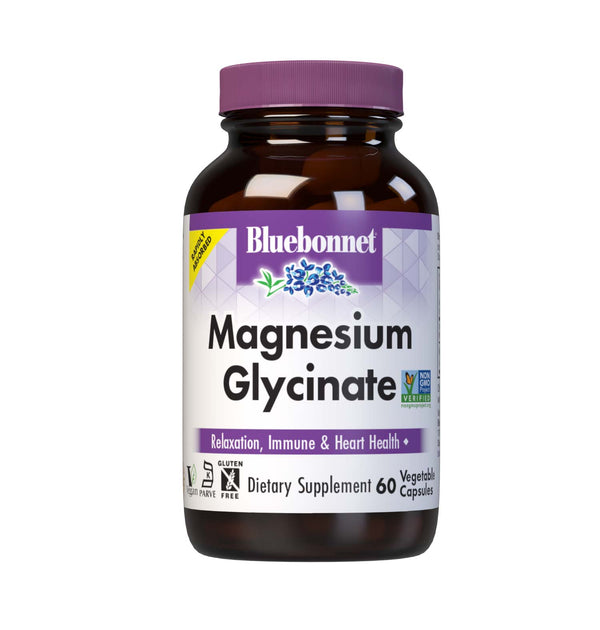
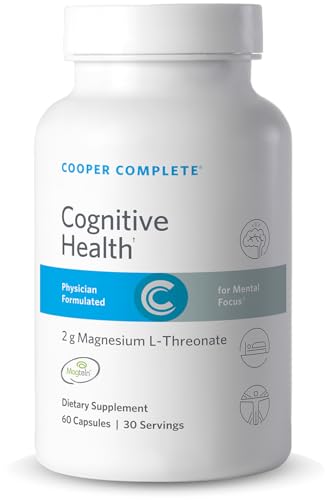
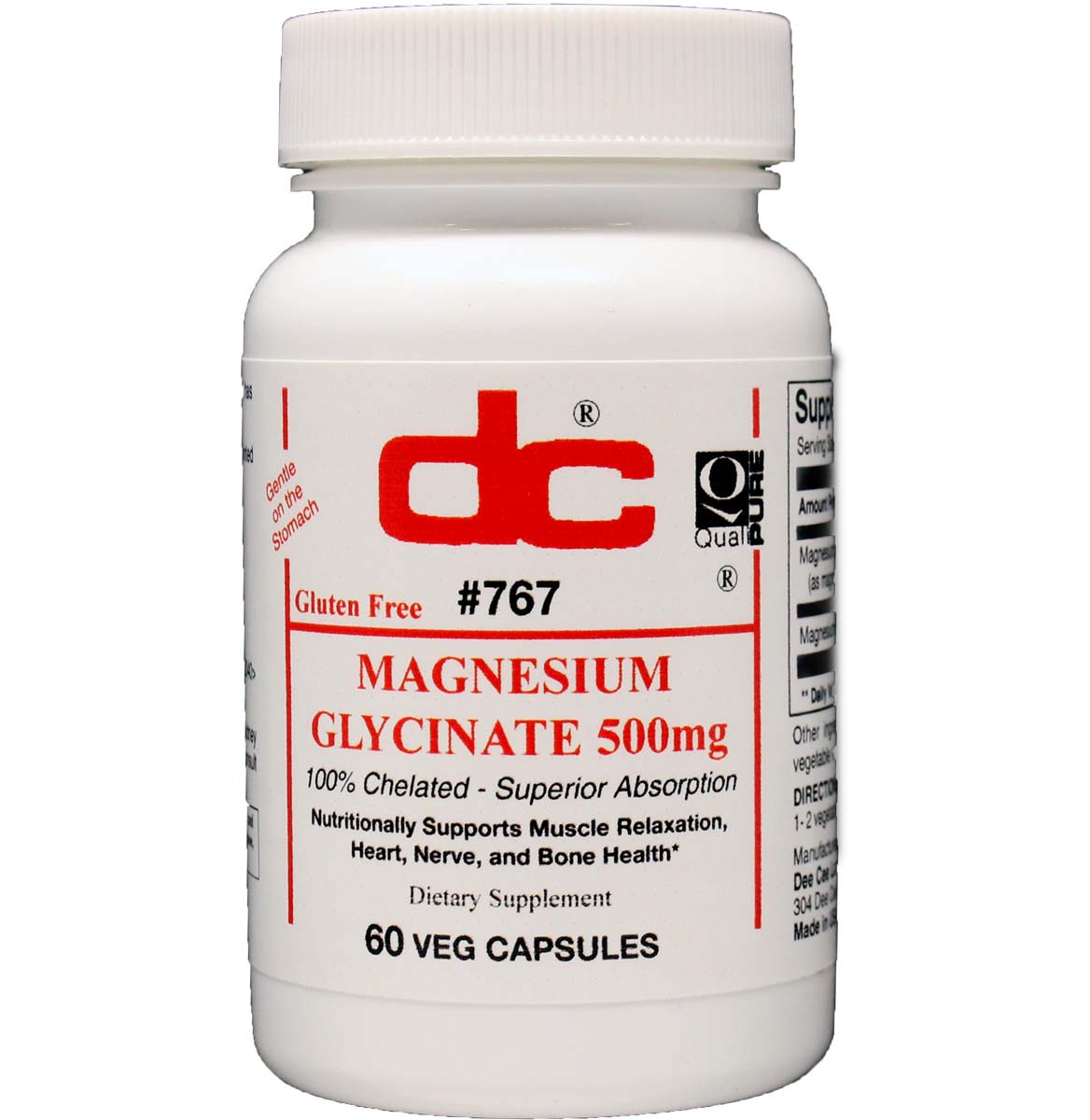
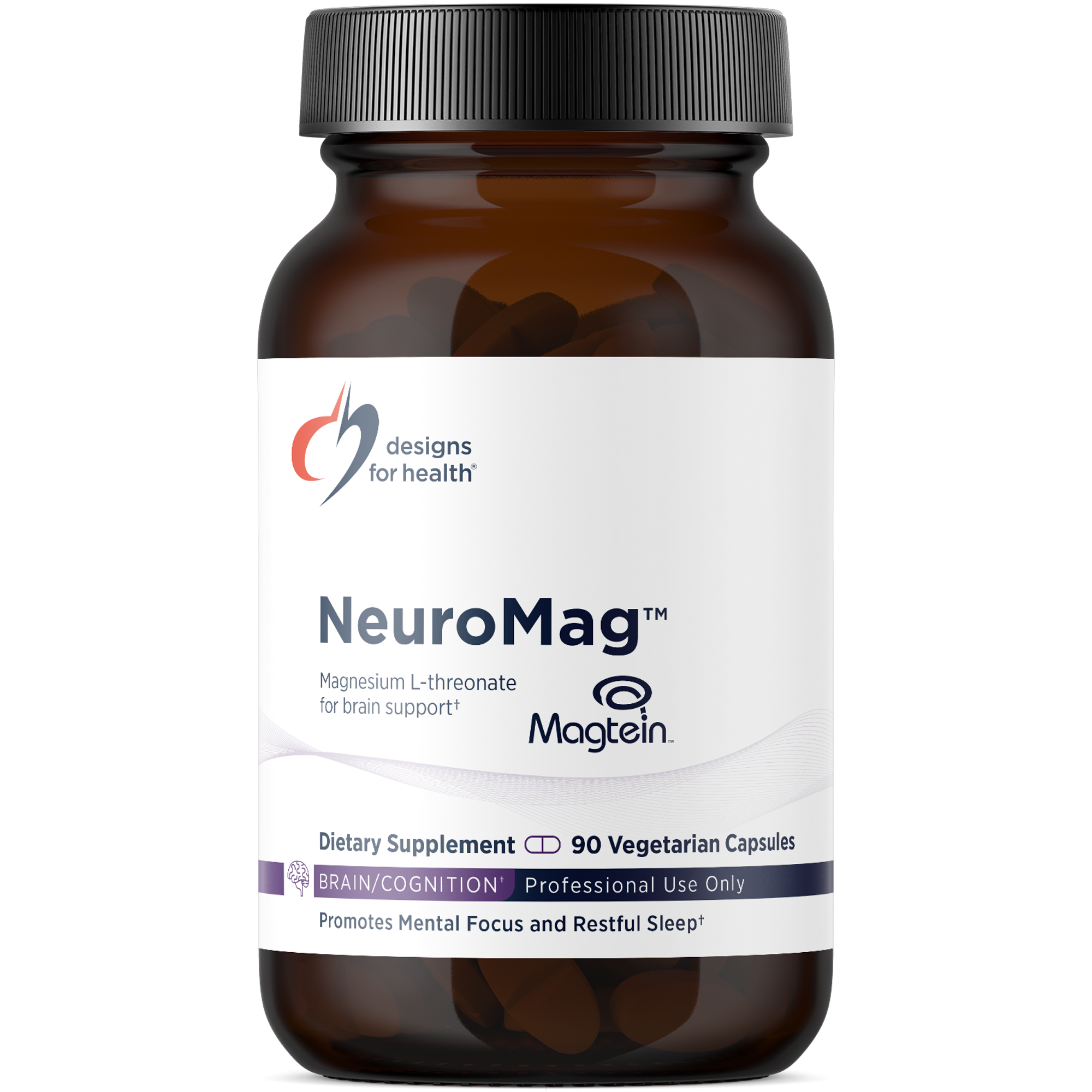
Sources & Scoring
Nutrient data (RDA, UL, and safety thresholds) sourced from the NIH Office of Dietary Supplements and the National Academies Dietary Reference Intakes (DRI).
This is not medical advice. Consult a healthcare provider before making changes to your supplement routine.
The score analyzes what's on the label: ingredient doses vs. studied ranges, chemical forms, evidence levels, and known interactions. It does not verify label accuracy or test for contaminants — for that, look for third-party certifications like USP or NSF.