BioStacks
Best for
Ingredients (2)
Magnesium
100%Dose
120 mg
Target
100–400 mg
Form
Premium
ConcenTrace Trace Minerals
10 mgNot in our database
Other Ingredients (6)
Natural FlavorsFlavor
Broad regulatory category of flavor constituents derived from natural sources. Composition is proprietary and not disclosed — 'Natural Flavors' can include several hundred different compounds depending on the target flavor profile, including hexane-extracted constituents and proprietary carrier solvents. 'Natural' is a regulatory definition (21 CFR §101.22), not a safety guarantee.
Potassium SorbatePreservative
Natural preservative derived from sorbic acid
Citric AcidAcidulant
Natural acid derived from citrus fruits
Purified WaterSolvent
Water meeting USP specifications used as solvent/vehicle in gummies and liquids
Stevia ExtractSweetener
Zero-calorie natural sweetener extracted from the leaves of Stevia rebaudiana
GlycerinHumectant
Sweet-tasting liquid used in soft capsules and liquids
How to Take It
Best taken in the evening
Magnesium glycinate is the gentlest form on the gut and the one most people take at night. Absorption doesn't change with the clock — consistency does.
With or without food
Space it a couple of hours from Iron and Calcium
On the label
Shake well. Take 8 mL (1/2 tbsp) daily alone or mixed into water or another beverage. Due to the calming effects of magnesium we recommend taking it 30-60 minutes before bedtime. Additional servings may be taken if desired but excessive magnesium intake may cause a laxative effect.
General guidance based on the ingredients, not a substitute for the label or your doctor.
Price Check
$26.09
Near the median of 579 magnesium supplements
Track this supplement in your stack
Get personalized insights, interactions, and coverage recommendations.
Get Started FreeSimilar Supplements
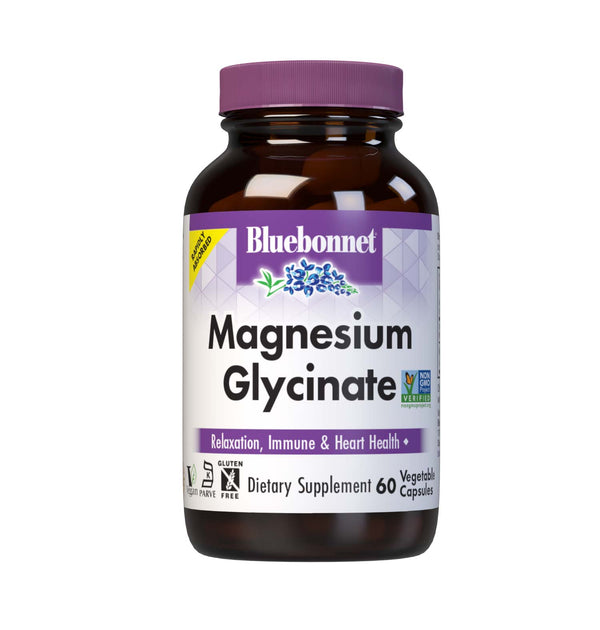
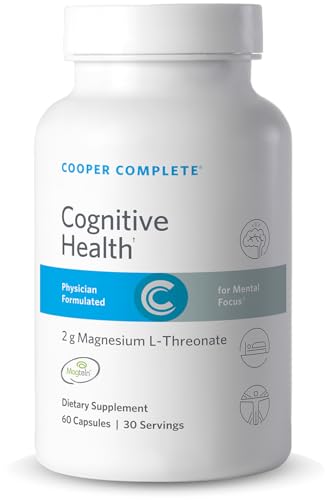
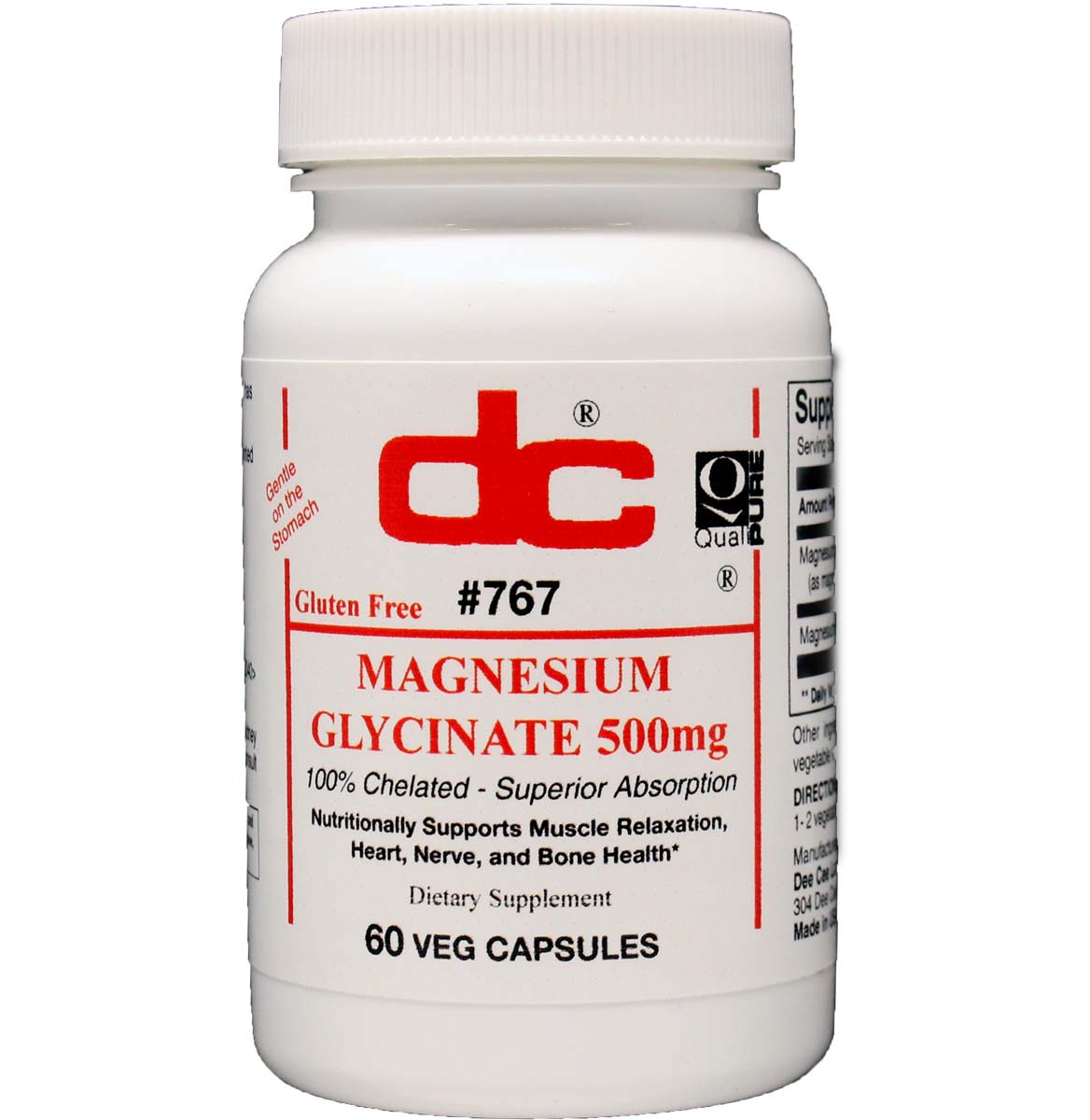
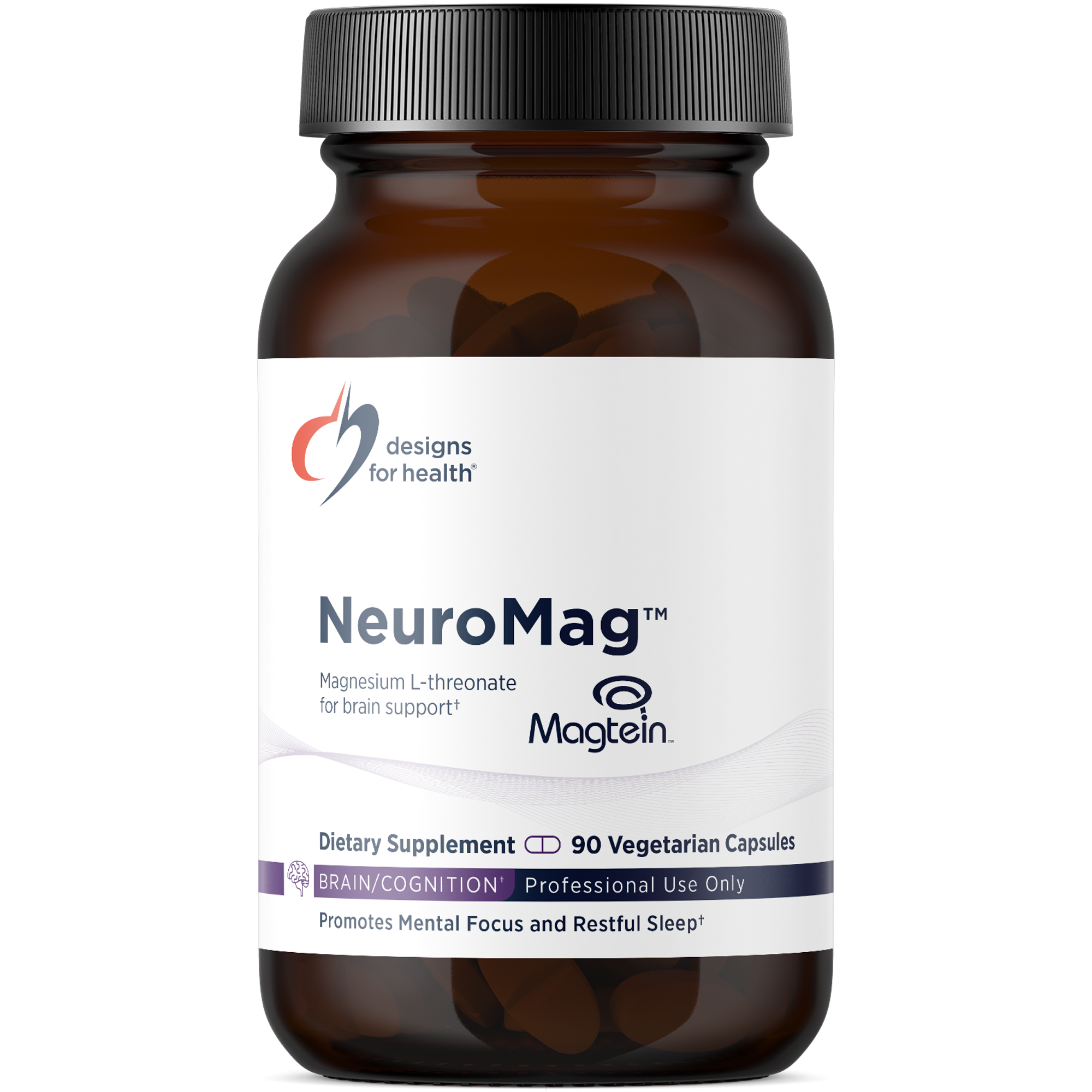
Sources & Scoring
Nutrient data (RDA, UL, and safety thresholds) sourced from the NIH Office of Dietary Supplements and the National Academies Dietary Reference Intakes (DRI).
This is not medical advice. Consult a healthcare provider before making changes to your supplement routine.
The score analyzes what's on the label: ingredient doses vs. studied ranges, chemical forms, evidence levels, and known interactions. It does not verify label accuracy or test for contaminants — for that, look for third-party certifications like USP or NSF.