BioStacks
Ingredients (1)
Cranberry Extract 25:1
100%Dose
750 mg
Target
500–1500 mg
Form
—
Other Ingredients (5)
MaltodextrinBinder
Spikes blood sugar faster than table sugar (glycemic index 85–105). Research links it to gut bacteria changes that may promote intestinal inflammation (Nickerson et al. 2015). Used as a cheap filler — adds nothing beneficial.
Silicon DioxideAnti-caking
Fine silica powder used to prevent clumping
Magnesium StearateLubricant
A salt of stearic acid used as a lubricant in tablet and capsule production
Coating (unspecified)Coating
Generic tablet coating declaration where the label does not itemize the coating's components; modern aqueous film coatings are typically cellulose-based (HPMC) with a plasticizer
Microcrystalline CelluloseBinder
Plant-derived cellulose used as a binder and filler in supplements
How to Take It
Take it anytime
Studied as a twice-daily dose — its effect on bacterial adhesion is short-lived, so one big dose isn't equivalent.
With or without food
On the label
ONE OR TWO TABLETS PER DAY Swallow with water or a cold drink. Not to be chewed. Do not exceed the recommended intake. Ultra Cranberry may be used for as long as required. Can be used in conjunction with any other product in the Vitabiotics range. Suitable for vegans No artificial colours or preservatives No lactose or yeast Gluten free Ultra Cranberry is not tested on animals
General guidance based on the ingredients, not a substitute for the label or your doctor.
Price Check
£8.45≈ $10.73
Cheaper than 81% of 59 cranberry extract supplements
Track this supplement in your stack
Get personalized insights, interactions, and coverage recommendations.
Get Started FreeSimilar Supplements
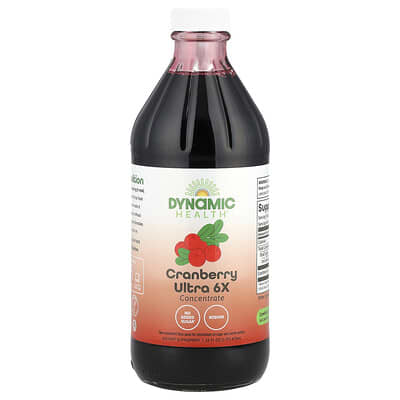
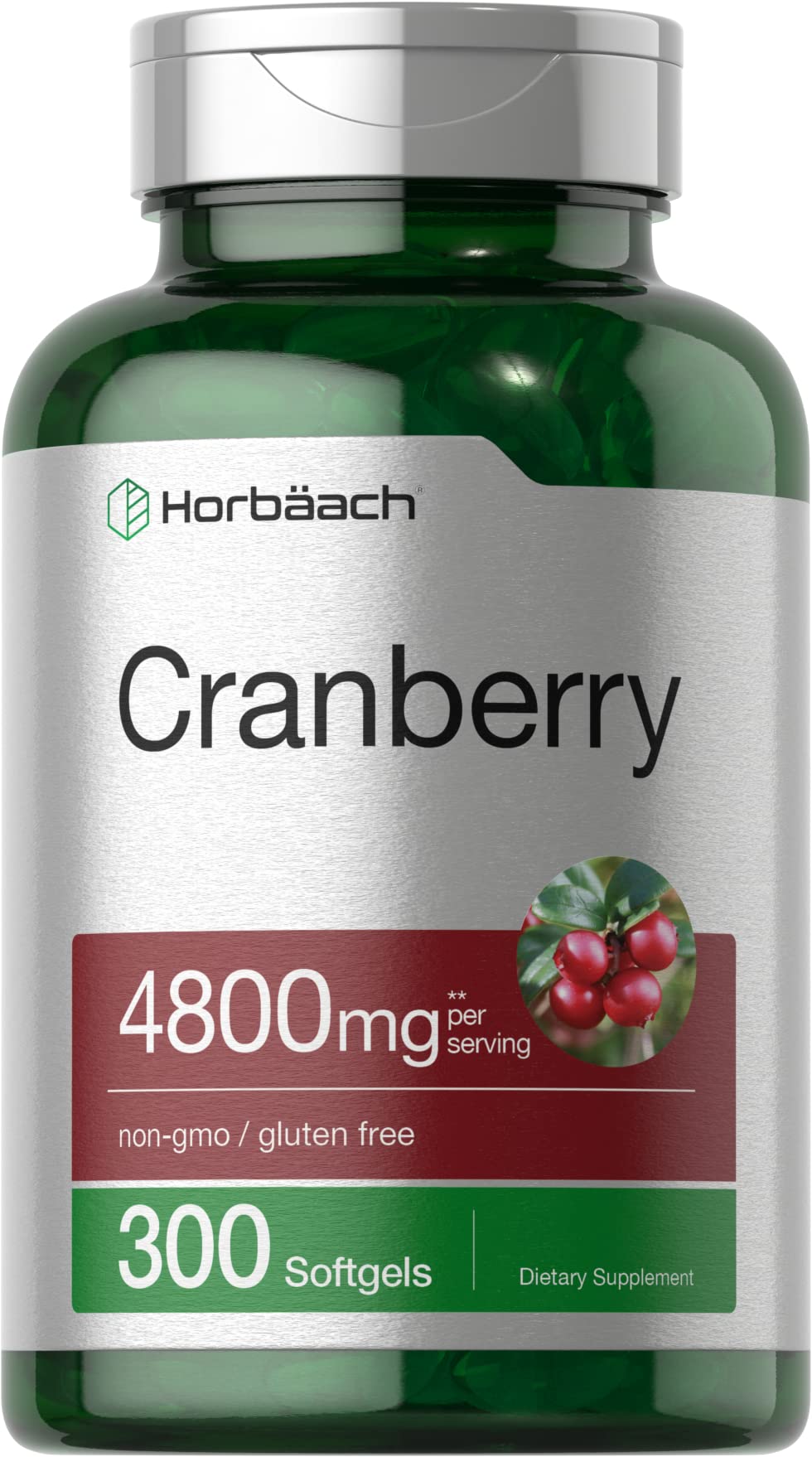
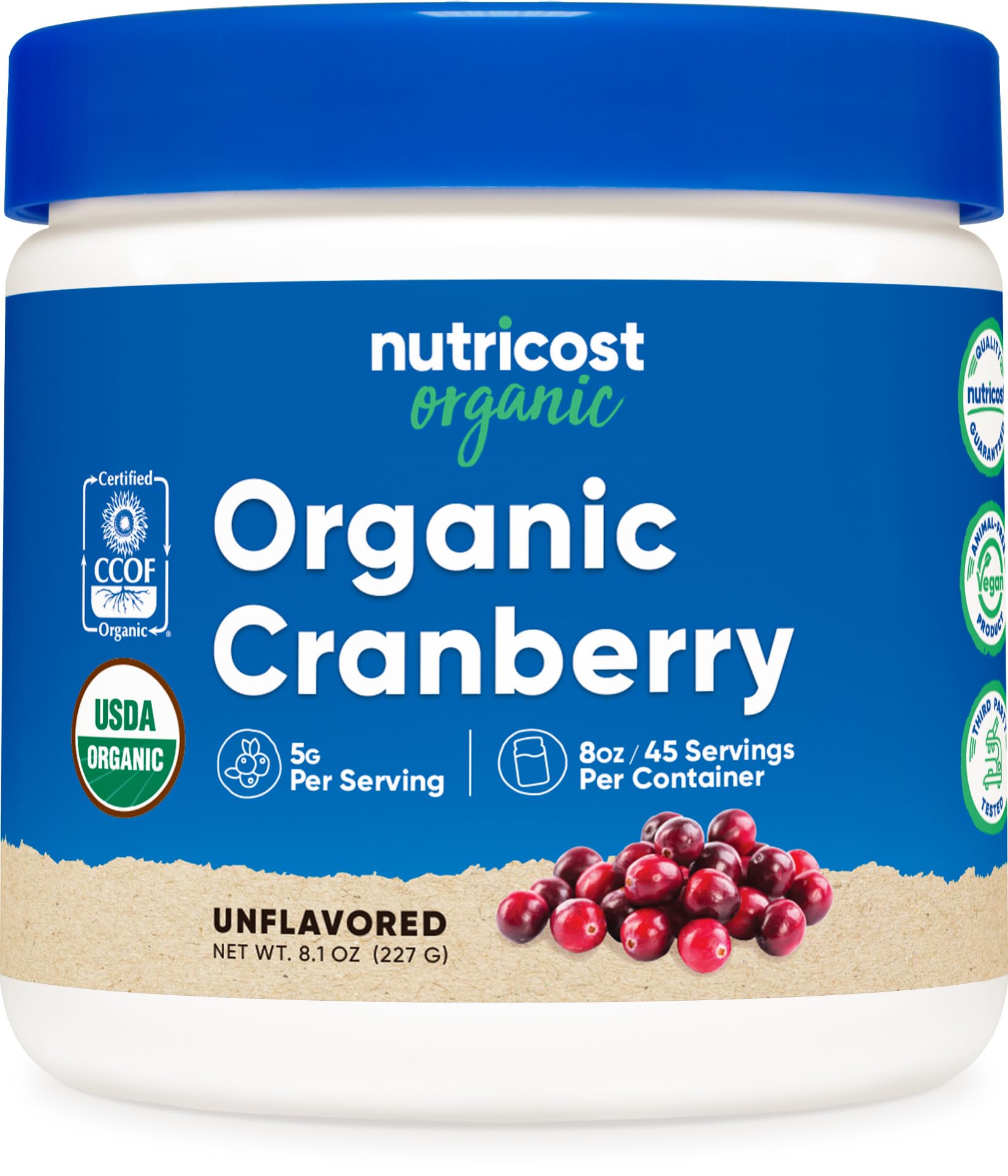
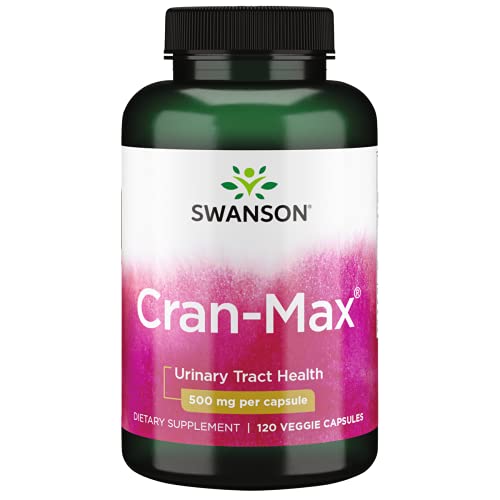
Sources & Scoring
Nutrient data (RDA, UL, and safety thresholds) sourced from the NIH Office of Dietary Supplements and the National Academies Dietary Reference Intakes (DRI).
This is not medical advice. Consult a healthcare provider before making changes to your supplement routine.
The score analyzes what's on the label: ingredient doses vs. studied ranges, chemical forms, evidence levels, and known interactions. It does not verify label accuracy or test for contaminants — for that, look for third-party certifications like USP or NSF.