BioStacks
Best for
Ingredients (1)
DHA
80%Dose
200 mg
Target
250–1000 mg
Form
—
Other Ingredients (10)
SucroseSweetener
Added sugars and high glycemic load; dental caries risk
Glucose SyrupSweetener
High glycemic load; source typically corn (generally gluten-free)
Fruit Juice (unspecified)Colorant
Juice or juice concentrate used primarily for natural color and flavor in gummies
Turmeric ColorColorant
Natural yellow colorant from the rhizome of Curcuma longa; the pigment is curcumin
Citric AcidAcidulant
Natural acid derived from citrus fruits
Black CarrotColorant
Natural colorant derived from anthocyanin-rich black carrots, used to provide purple/red color in gummies and chewables
Vegetable OilCarrier
Edible oils used as carriers in softgels and as processing aids
Carnauba WaxCoating
Hard plant wax from the carnauba palm used to glaze gummies and tablets
How to Take It
Take it anytime
Take with a meal — absorption improves with dietary fat and it prevents fishy burps.
With food
On the label
CHILDREN (3-7 YRS): CHEW ONE OR TWO PER DAY Do not exceed the recommended intake. Do not give to children under 3 years. Chew before swallowing. No synthetic colours, preservatives, lactose or yeast. Contains no artificial sweeteners. Wellkid has not been tested on animals Suitable for vegetarians and vegans For Allergy Advice and other usage information see Nutritional Information.
General guidance based on the ingredients, not a substitute for the label or your doctor.
Price Check
£8.45≈ $10.73
Cheaper than 94% of 382 omega-3 supplements
Track this supplement in your stack
Get personalized insights, interactions, and coverage recommendations.
Get Started FreeSimilar Supplements
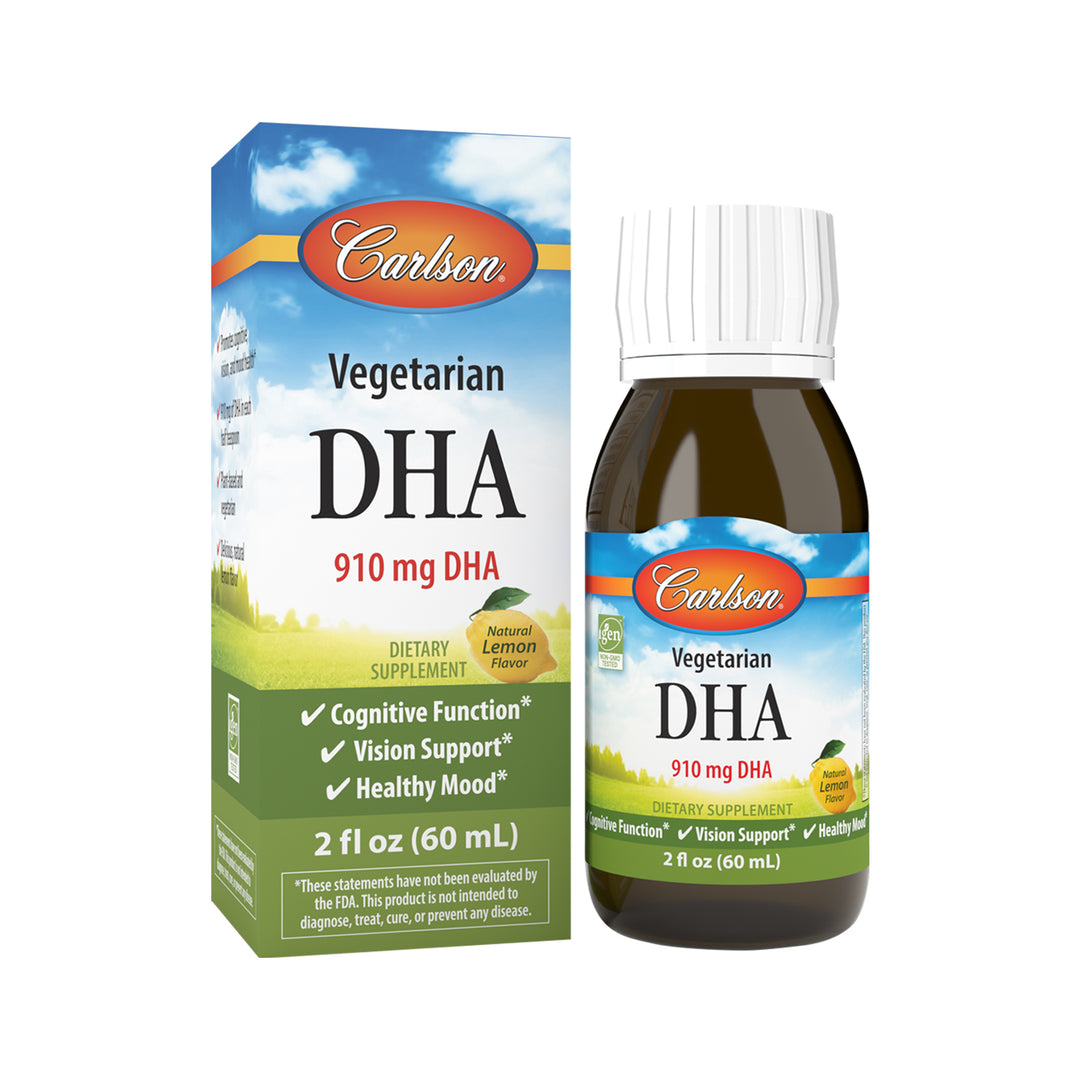
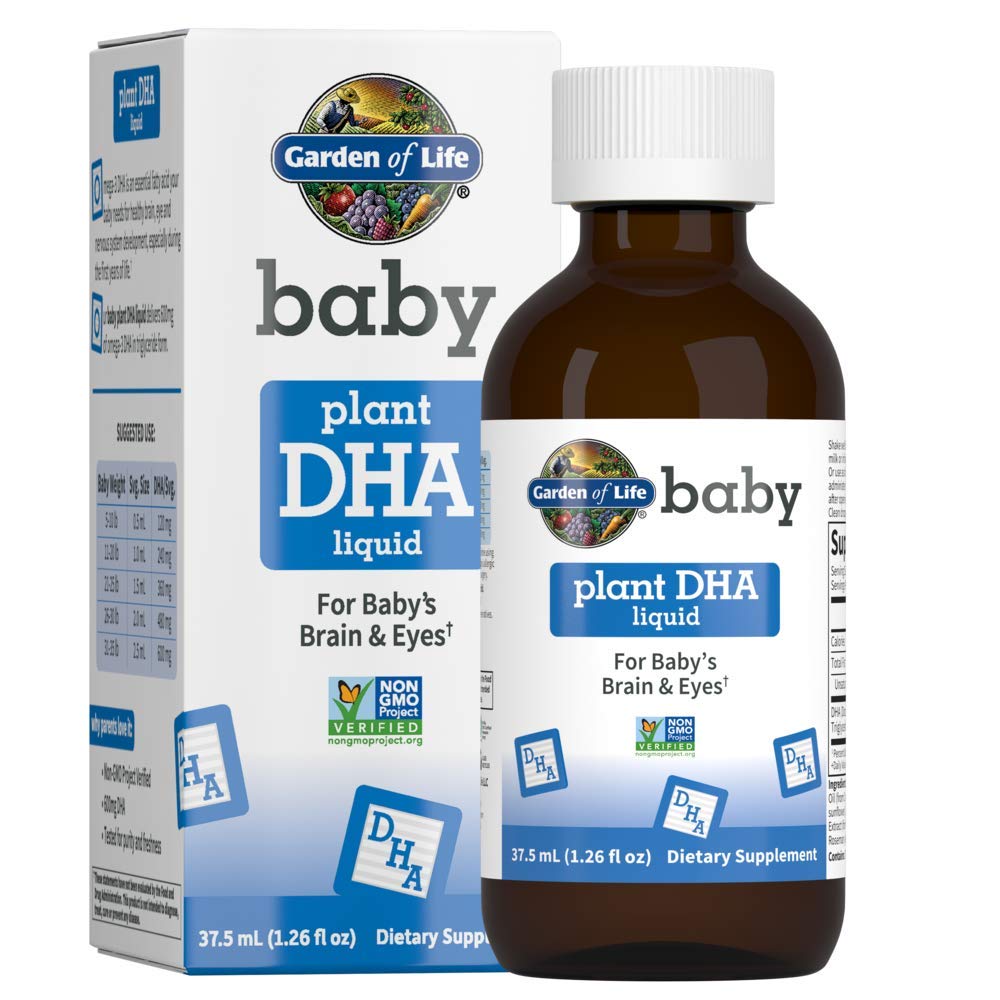
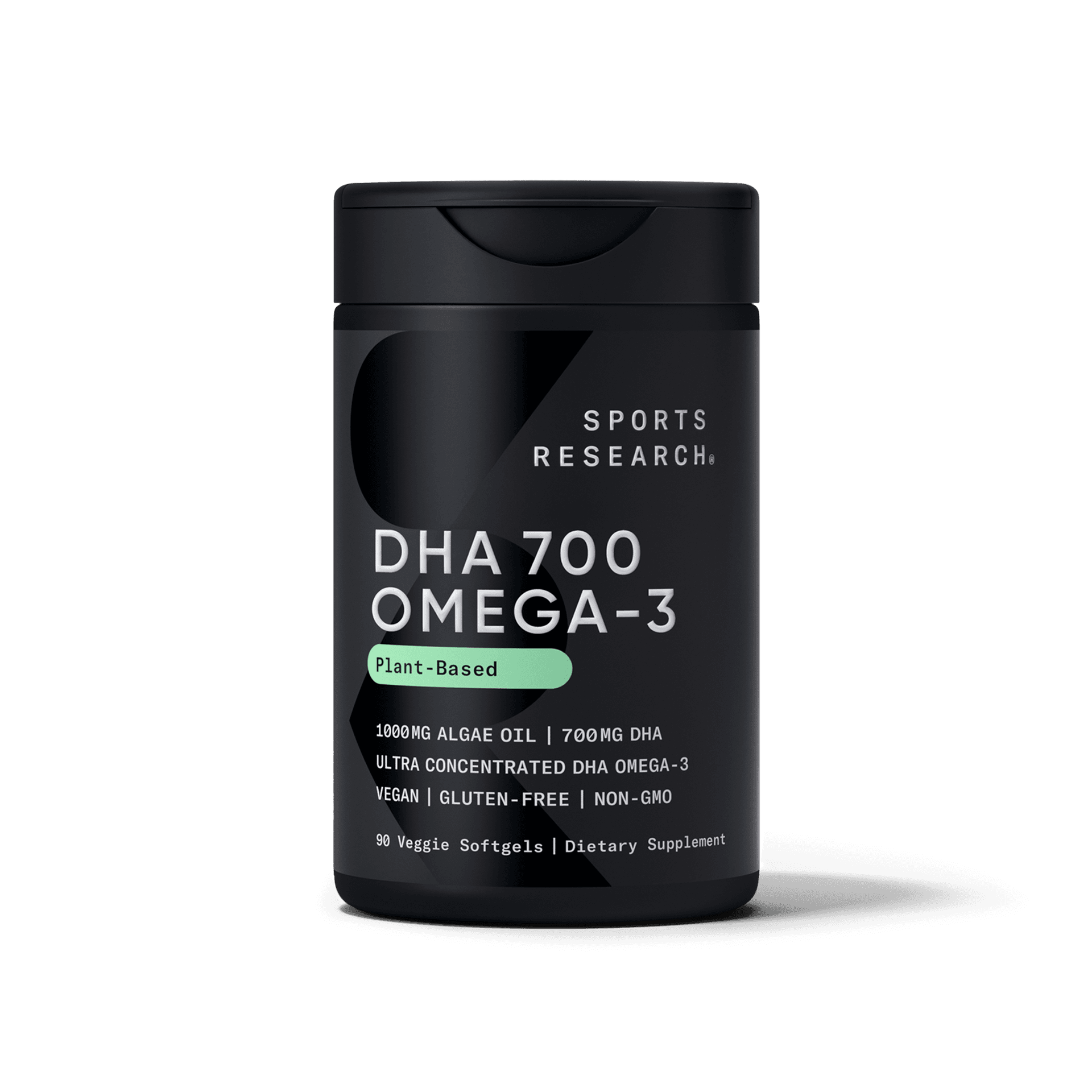
Sources & Scoring
Nutrient data (RDA, UL, and safety thresholds) sourced from the NIH Office of Dietary Supplements and the National Academies Dietary Reference Intakes (DRI).
This is not medical advice. Consult a healthcare provider before making changes to your supplement routine.
The score analyzes what's on the label: ingredient doses vs. studied ranges, chemical forms, evidence levels, and known interactions. It does not verify label accuracy or test for contaminants — for that, look for third-party certifications like USP or NSF.