BioStacksAsk AI about this product 


What it does
A combination of 16 label ingredients.
Vitamin A
retinyl palmitateStandard
Supports normal vision, immune function and the maintenance of healthy tissues.
Vitamin C
Mixed formsGrade —
Supports normal collagen production and immune function, and helps the body absorb iron from plant foods.
Ingredients (16)
Other ingredients
Artificial ColorsColorant
May trigger hyperactivity in sensitive children; potential link to allergic reactions
Glucose SyrupSweetener
High glycemic load; source typically corn (generally gluten-free)
SucroseSweetener
Added sugars and high glycemic load; dental caries risk
Natural FlavorsFlavor
Broad regulatory category of flavor constituents derived from natural sources. Composition is proprietary and not disclosed — 'Natural Flavors' can include several hundred different compounds depending on the target flavor profile, including hexane-extracted constituents and proprietary carrier solvents. 'Natural' is a regulatory definition (21 CFR §101.22), not a safety guarantee.
Sodium CitrateBuffer
Sodium salt of citric acid used for pH control, tartness, and chelation in gummies
BeeswaxCoating
Natural wax produced by honeybees, used as a coating and binding agent in softgels and tablets
Citric AcidAcidulant
Natural acid derived from citrus fruits
GelatinCapsule
Protein derived from collagen, used in traditional capsule shells
Lab testing
How to take it
With a meal containing fat
Space it a couple of hours from Iron and Calcium
On the label
As a dietary supplement, adults take two (2) gummy vitamins per day. Chew thoroughly before swallowing.
Price check
$14.63
$0.20 / serving
Cheaper than 84% of 798 multivitamins
Similar products
Nature Made
Multi For Her Gummies
🛡️ for Immune
38
One A Day
VitaCraves Women's Gummies
🛡️ for Immune
35
One A Day
Women's Multi Gummy (Mixed Fruit)
🛡️ for Immune
35
One A Day
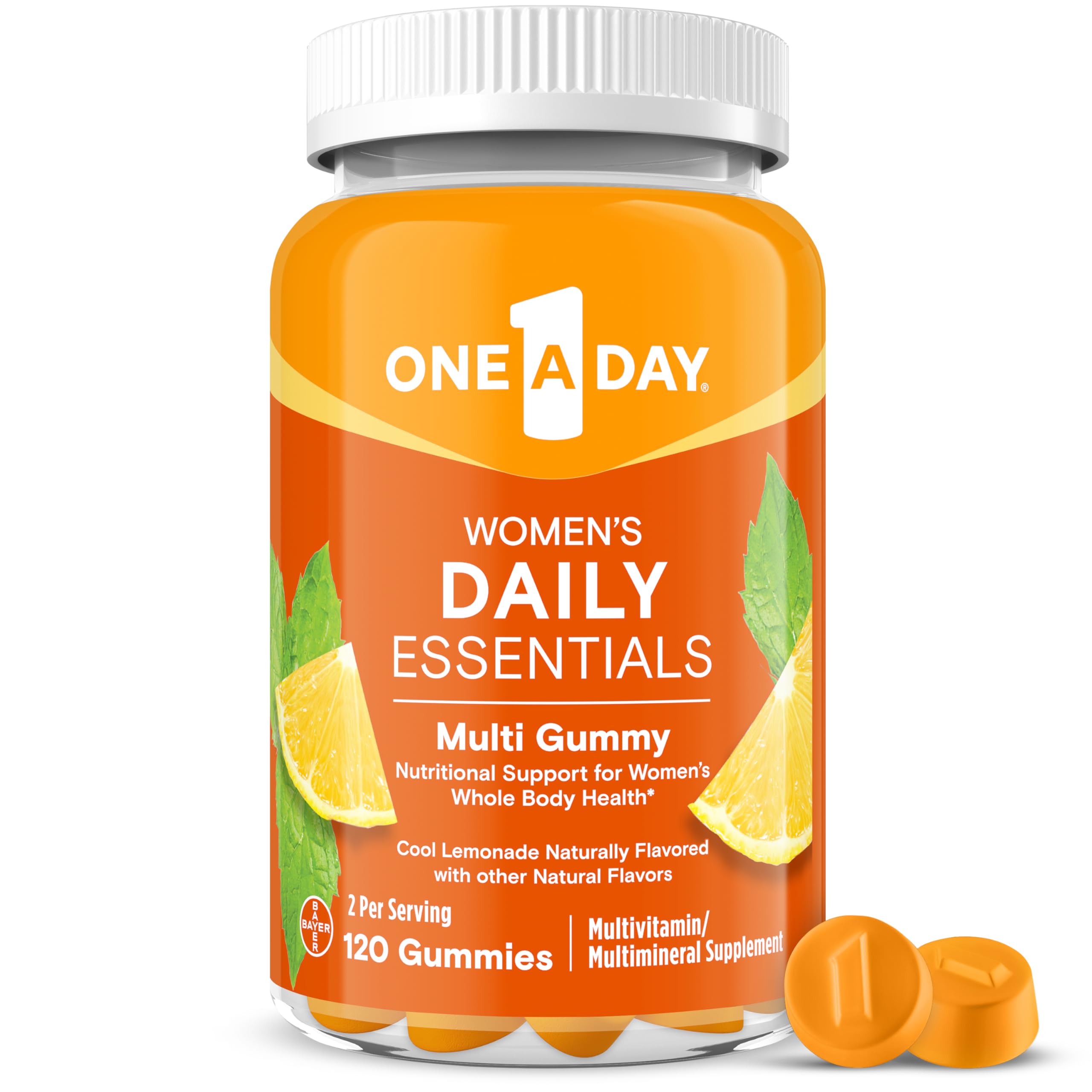
Women's Daily Essentials Multi Gummy (Cold Lemonade)
🛡️ for Immune
46
Nature's Way
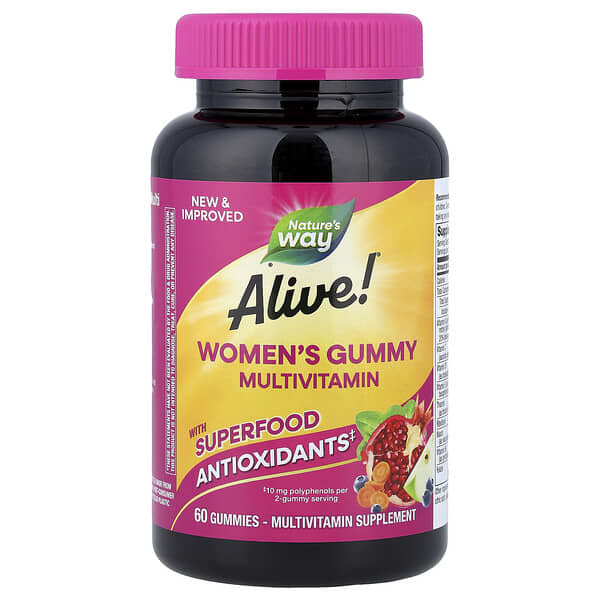
Alive!® Women's Gummy Multivitamin, Mixed Berry
🛡️ for Immune
42
Sources & Scoring
Nutrient data (RDA, UL, and safety thresholds) sourced from the NIH Office of Dietary Supplements and the National Academies Dietary Reference Intakes (DRI).
This is not medical advice. Consult a healthcare provider before making changes to your supplement routine.
The score analyzes what's on the label: ingredient doses vs. studied ranges, chemical forms, evidence levels, and known interactions. It does not verify label accuracy or test for contaminants — for that, look for third-party certifications like USP or NSF.
Not medical advice. Consult your healthcare professional.