BioStacks
Best for
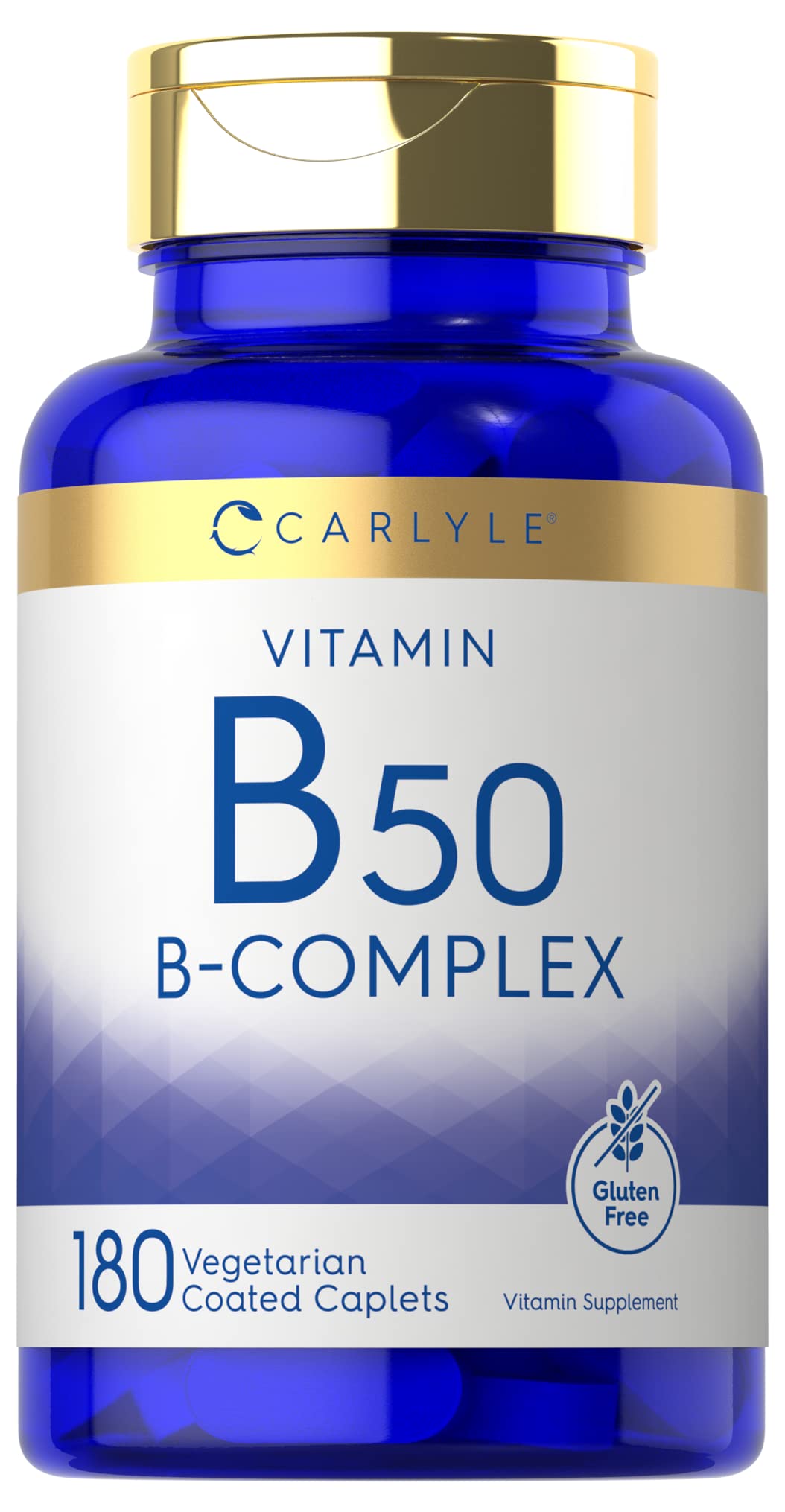
Ingredients (11)
Folate
100%Dose
680 mcg DFE
Target
400–800 mcg
Form
Premium
Pantothenic Acid
100%Dose
200 mg
Target
50–500 mg
Form
Premium
Vitamin B12
100%Dose
500 mcg
Target
250–5000 mcg
Form
Premium
Thiamine
100%Dose
100 mg
Target
25–100 mg
Form
Premium
Vitamin B6
100%Dose
25 mg
Target
25–100 mg
Form
Premium
Other Ingredients (5)
TalcAnti-caking
IARC classifies cosmetic-grade talc not containing asbestos as Group 2B (possibly carcinogenic to humans); perineal talc use as Group 2A (probably carcinogenic). Johnson & Johnson voluntarily withdrew talc-based baby powder from US/Canada in 2020 and globally in 2022 after extensive litigation tied to ovarian-cancer and mesothelioma cases. The 2018 FDA contamination survey found asbestos in 9 of 52 cosmetic talc products tested. As a supplement excipient talc is a pure manufacturing convenience — no nutritional or functional benefit to the user — so the asbestos-exposure risk has no offsetting upside. Safer alternatives (silicon dioxide, microcrystalline cellulose, rice hulls) are widely available.
Silicon DioxideAnti-caking
Fine silica powder used to prevent clumping
Ascorbyl PalmitateAntioxidant
Fat-soluble form of vitamin C used as preservative
LeucineFlow Aid
Branched-chain amino acid used as a processing aid
HypromelloseCapsule
Plant-derived capsule material from cellulose
How to Take It
Best taken in the morning
Many people prefer B-vitamins earlier in the day; take with food to avoid nausea.
With food
On the label
Take 1 capsule per day, or as directed by a healthcare practitioner.
General guidance based on the ingredients, not a substitute for the label or your doctor.
Price Check
$39.00
Pricier than 71% of 239 energy supplements
Track this supplement in your stack
Get personalized insights, interactions, and coverage recommendations.
Get Started FreeSimilar Supplements
Sources & Scoring
Nutrient data (RDA, UL, and safety thresholds) sourced from the NIH Office of Dietary Supplements and the National Academies Dietary Reference Intakes (DRI).
This is not medical advice. Consult a healthcare provider before making changes to your supplement routine.
The score analyzes what's on the label: ingredient doses vs. studied ranges, chemical forms, evidence levels, and known interactions. It does not verify label accuracy or test for contaminants — for that, look for third-party certifications like USP or NSF.