What it does
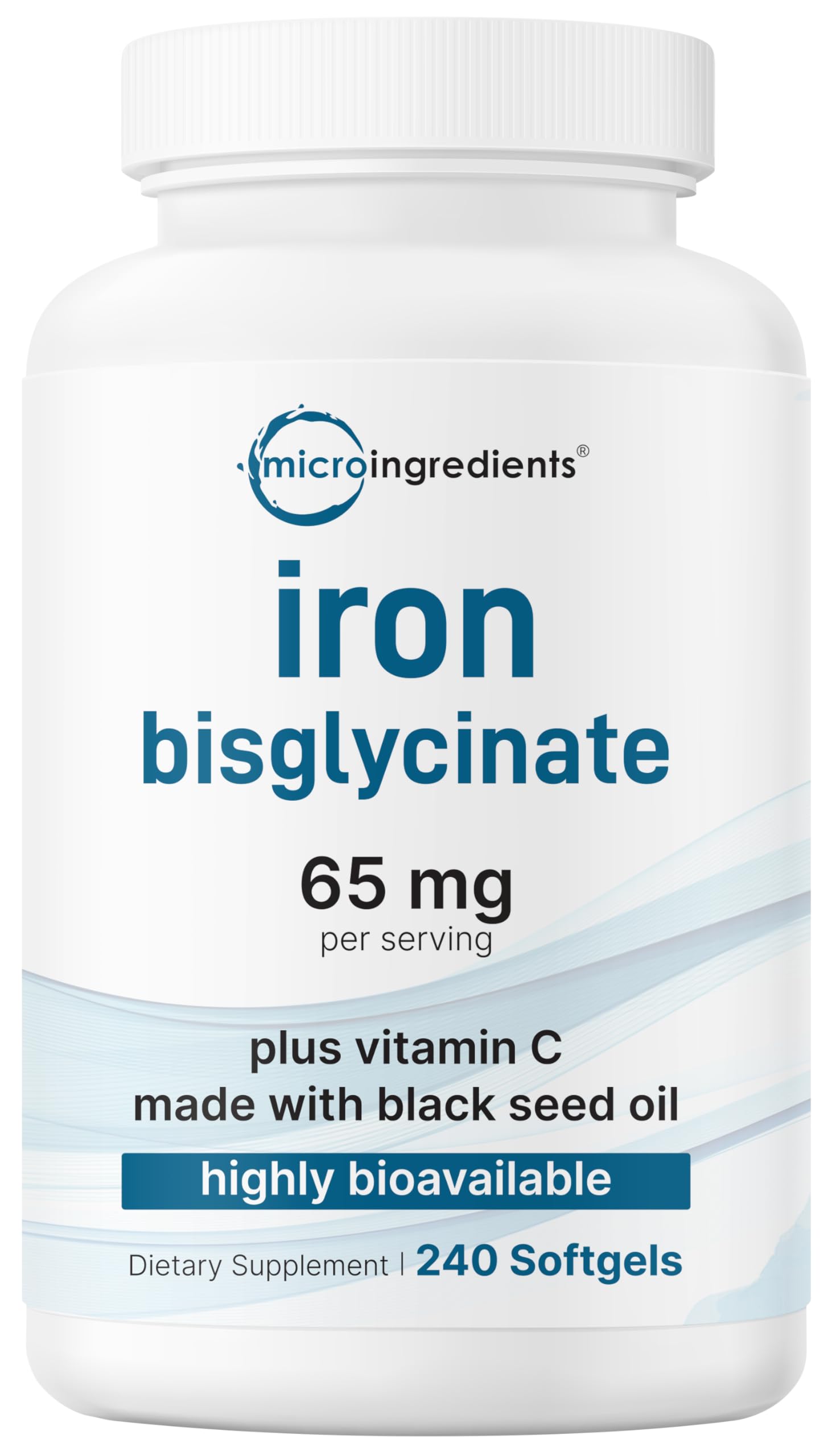
A combination of 2 label ingredients.
Iron
Form not confirmedGrade —
Supports hemoglobin production and oxygen transport; extra iron does not automatically improve energy when iron status is adequate.
Vitamin C
ascorbic acidBudget
Supports normal collagen production and immune function, and helps the body absorb iron from plant foods.
Ingredients (2)
Other ingredients
TalcAnti-caking
IARC classifies cosmetic-grade talc not containing asbestos as Group 2B (possibly carcinogenic to humans); perineal talc use as Group 2A (probably carcinogenic). Johnson & Johnson voluntarily withdrew talc-based baby powder from US/Canada in 2020 and globally in 2022 after extensive litigation tied to ovarian-cancer and mesothelioma cases. The 2018 FDA contamination survey found asbestos in 9 of 52 cosmetic talc products tested. As a supplement excipient talc is a pure manufacturing convenience — no nutritional or functional benefit to the user — so the asbestos-exposure risk has no offsetting upside. Safer alternatives (silicon dioxide, microcrystalline cellulose, rice hulls) are widely available.
Ascorbyl PalmitateAntioxidant
Fat-soluble form of vitamin C used as preservative
Microcrystalline CelluloseBinder
Plant-derived cellulose used as a binder and filler in supplements
HypromelloseCapsule
Plant-derived capsule material from cellulose
Lab testing
How to take it
On an empty stomach
Keep it away from coffee, tea and dairy
Space it a couple of hours from Calcium, Zinc, Magnesium, Manganese and Green Tea Leaf Extract
On the label
1 capsule, 2-3 times a day with food, or as directed by your healthcare practitioner.
Labels usually say “with food” because it's gentler on the stomach, not because it absorbs better. Fasted absorbs more — start there, and switch to a light meal if it bothers you.
Price check
$21.90
$0.22 / serving
Pricier than 72% of 138 iron supplements
Similar products
Sources & Scoring
Nutrient data (RDA, UL, and safety thresholds) sourced from the NIH Office of Dietary Supplements and the National Academies Dietary Reference Intakes (DRI).
This is not medical advice. Consult a healthcare provider before making changes to your supplement routine.
The score analyzes what's on the label: ingredient doses vs. studied ranges, chemical forms, evidence levels, and known interactions. It does not verify label accuracy or test for contaminants — for that, look for third-party certifications like USP or NSF.
Not medical advice. Consult your healthcare professional.