BioStacks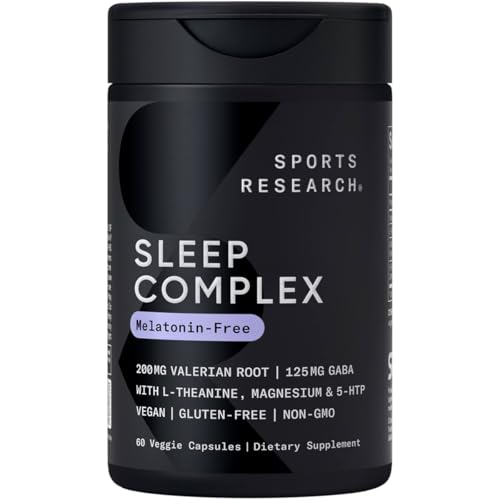
Best for
Ingredients (7)
Melatonin
100%Dose
3 mg
Target
0.5–5 mg
Form
—
L-Theanine
100%Dose
300 mg
Target
100–250 mg
Form
—
Gamma-Aminobutyric Acid
100%Dose
200 mg
Target
100–300 mg
Form
Premium
Valerian Root Extract
100%Dose
300 mg
Target
300–600 mg
Form
—
5-Hydroxytryptophan
40%Dose
40 mg
Target
100–300 mg
Form
—
Other Ingredients (3)
HypromelloseCapsule
Plant-derived capsule material from cellulose
LeucineFlow Aid
Branched-chain amino acid used as a processing aid
Microcrystalline CelluloseBinder
Plant-derived cellulose used as a binder and filler in supplements
How to Take It
Best taken in the evening
Take 30–60 minutes before bed. It's a circadian signal, not a daytime supplement. Take it between meals, away from food.
On an empty stomach
Keep it away from protein-heavy meals
Space it a couple of hours from SAMe
On the label
Take up to 2 capsules an hour before bed, or as recommended by your healthcare practitioner.
Do not combine with St. John's Wort
Each of these raises serotonin activity on top of St. John's Wort, and together they can trigger serotonin syndrome — agitation, rapid heartbeat, raised blood pressure. Not without medical supervision.
General guidance based on the ingredients, not a substitute for the label or your doctor.
Price Check
$40.97
Pricier than 96% of 203 melatonin supplements
Track this supplement in your stack
Get personalized insights, interactions, and coverage recommendations.
Get Started FreeSimilar Supplements
Sports Research
Sleep Complex
😴 for Sleep
60
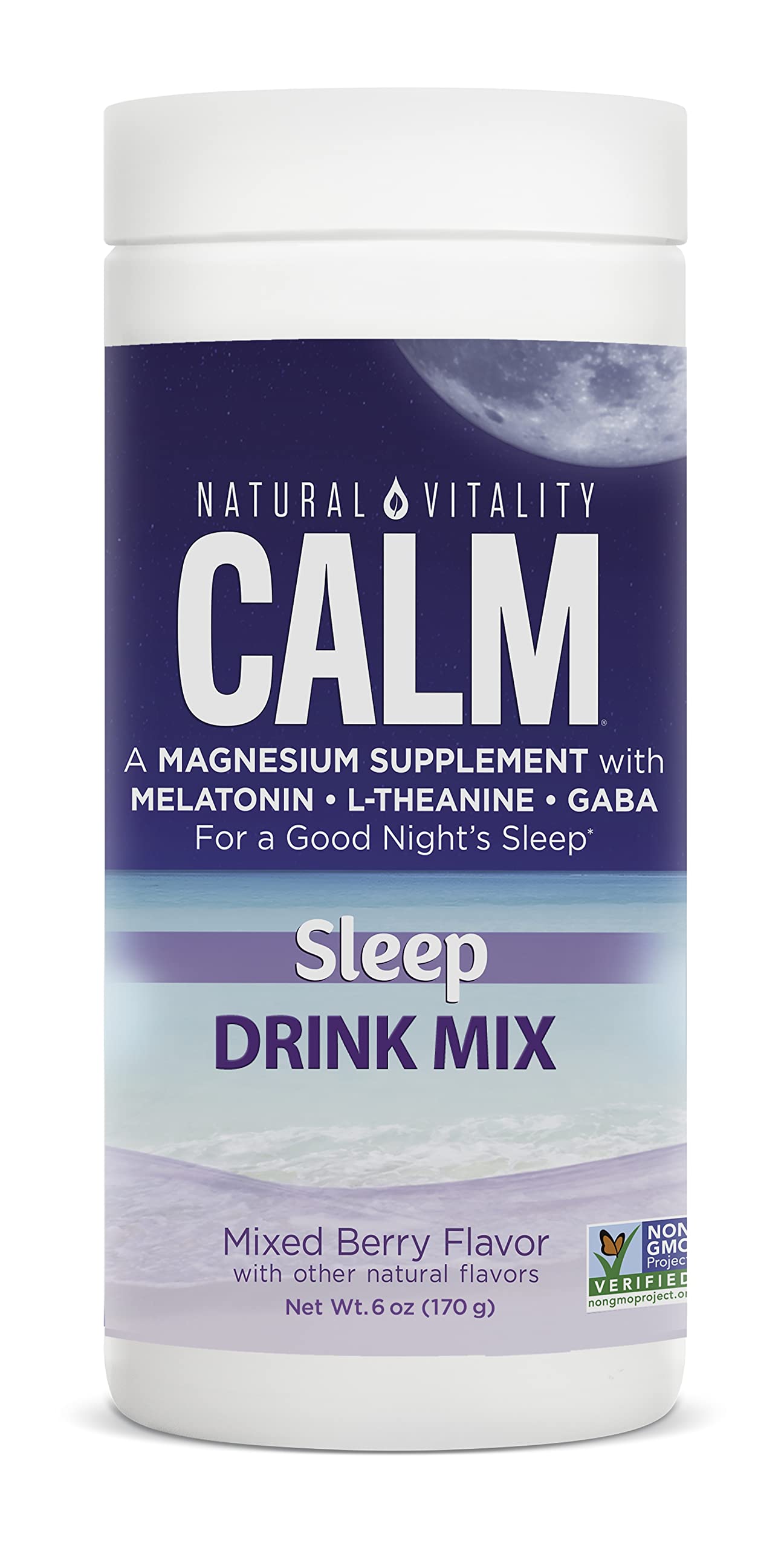
Natural Vitality
CALM Sleep Drink Mix Mixed Berry Flavor
😴 for Sleep
75
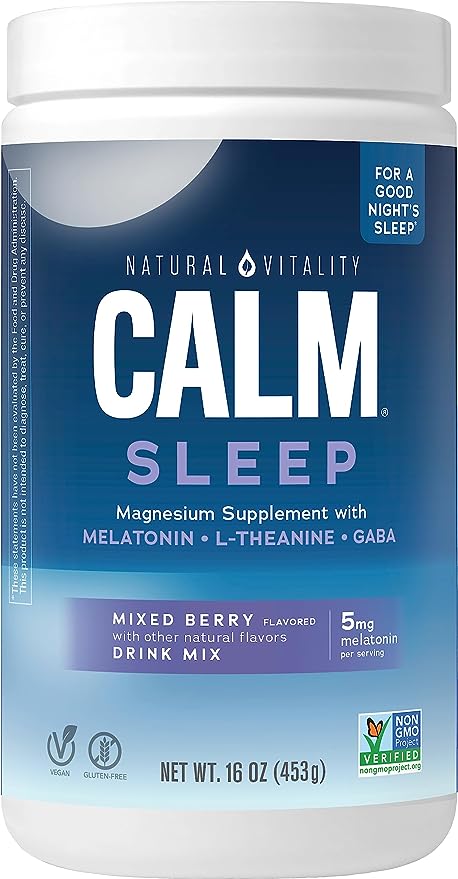
Natural Vitality
CALM Sleep Mixed Berry Flavor
😴 for Sleep
75
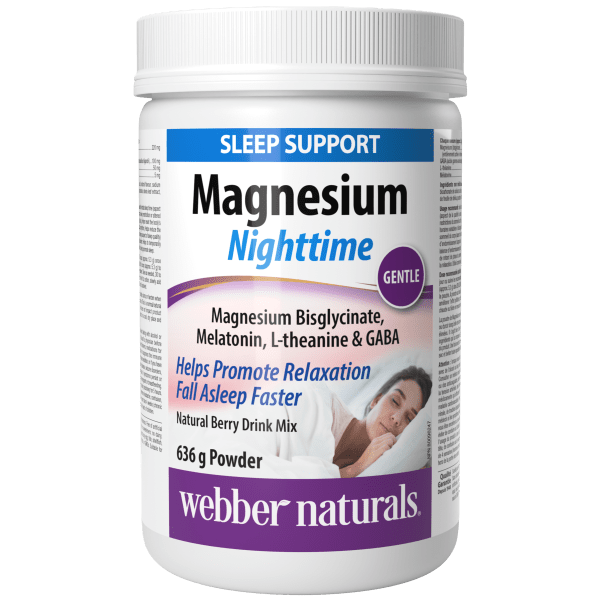
Webber Naturals
Magnesium Nighttime Powder
😴 for Sleep
68
Natural Factors
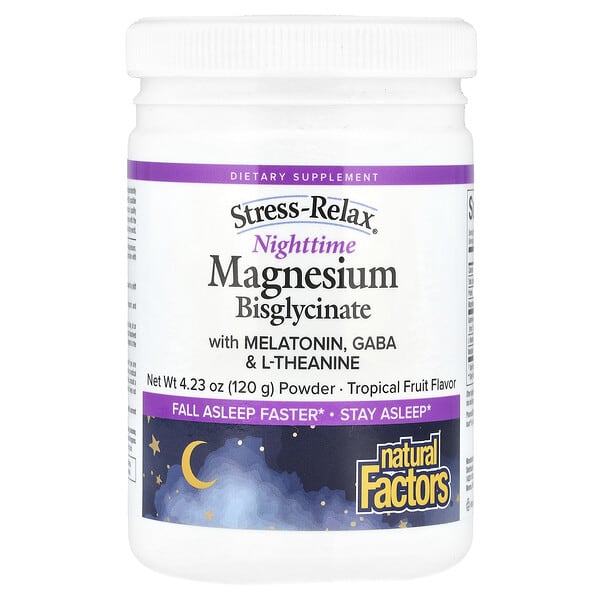
Stress-Relax®, Nighttime Magnesium Bisglycinate Powder with Melatonin, Gaba & L-Theanine, Tropical Fruit, 4.23 oz (120 g)
😴 for Sleep
63
Sources & Scoring
Nutrient data (RDA, UL, and safety thresholds) sourced from the NIH Office of Dietary Supplements and the National Academies Dietary Reference Intakes (DRI).
This is not medical advice. Consult a healthcare provider before making changes to your supplement routine.
The score analyzes what's on the label: ingredient doses vs. studied ranges, chemical forms, evidence levels, and known interactions. It does not verify label accuracy or test for contaminants — for that, look for third-party certifications like USP or NSF.