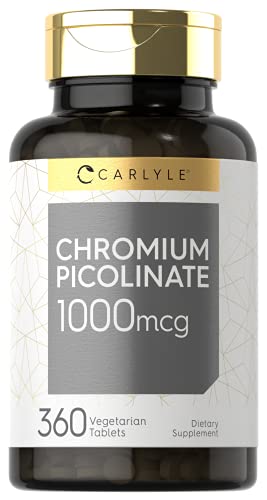
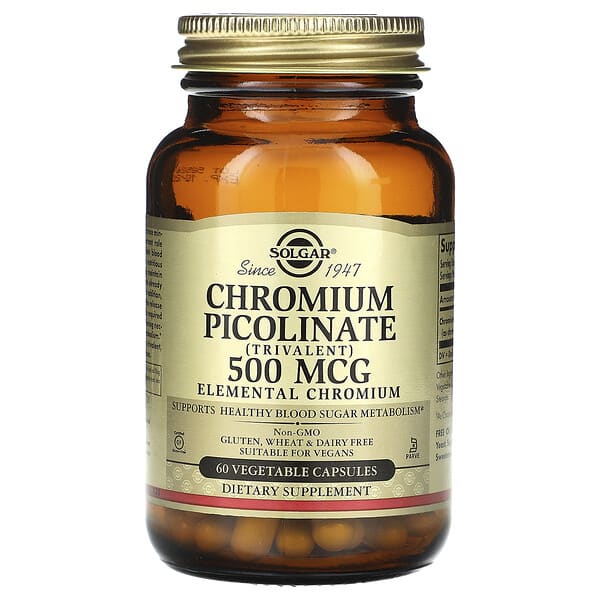
This **chromium picolinate** delivers 1,000mcg per tablet — the very top of the 200–1,000mcg range used in metabolic studies, in the most absorbable and best-studied form of the mineral. So on dose and form, you're fully covered for blood-sugar and insulin-sensitivity support.
The harder truth is the evidence itself. Across trials, chromium's effect on glucose is inconsistent — it shows up mainly if you have diabetes or insulin resistance, and barely at all if you don't. The popular weight-loss and carb-craving claims have little solid backing.
True chromium deficiency is also rare, and at 35mcg the adequate intake is a fraction of this dose. If you have a diagnosed metabolic issue this is a well-built option to try, but for general blood sugar or appetite goals, expect modest results at best.
BioStacks
Best for
Ingredients (1)
Chromium
100%Dose
1000 mcg
Target
200–1000 mcg
Form
Premium
Other Ingredients (6)
Magnesium StearateLubricant
A salt of stearic acid used as a lubricant in tablet and capsule production
ShellacCoating
Natural resin secreted by the lac bug, used as a coating and glazing agent for tablets and pills
Silicon DioxideAnti-caking
Fine silica powder used to prevent clumping
Dicalcium PhosphateBinder
Calcium and phosphorus compound used as binder
Microcrystalline CelluloseBinder
Plant-derived cellulose used as a binder and filler in supplements
Stearic AcidLubricant
Saturated fatty acid used as tablet lubricant
How to Take It
Take it anytime
Take with meals — its glucose effects act on the food you're eating.
With food
On the label
Suggested Use: As a dietary supplement, Adult take 1 tablet daily, before a meal or as directed by your qualified health care professional. Do not exceed recommended dose.
General guidance based on the ingredients, not a substitute for the label or your doctor.
Price Check
No price yet
What 72 chromium supplements cost
Track this supplement in your stack
Get personalized insights, interactions, and coverage recommendations.
Get Started FreeSimilar Supplements
Sources & Scoring
Nutrient data (RDA, UL, and safety thresholds) sourced from the NIH Office of Dietary Supplements and the National Academies Dietary Reference Intakes (DRI).
This is not medical advice. Consult a healthcare provider before making changes to your supplement routine.
The score analyzes what's on the label: ingredient doses vs. studied ranges, chemical forms, evidence levels, and known interactions. It does not verify label accuracy or test for contaminants — for that, look for third-party certifications like USP or NSF.