BioStacks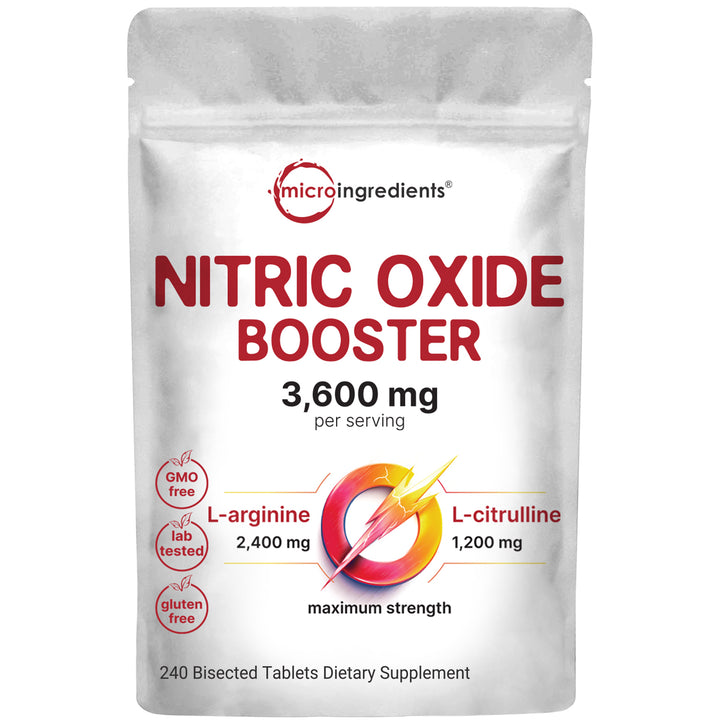
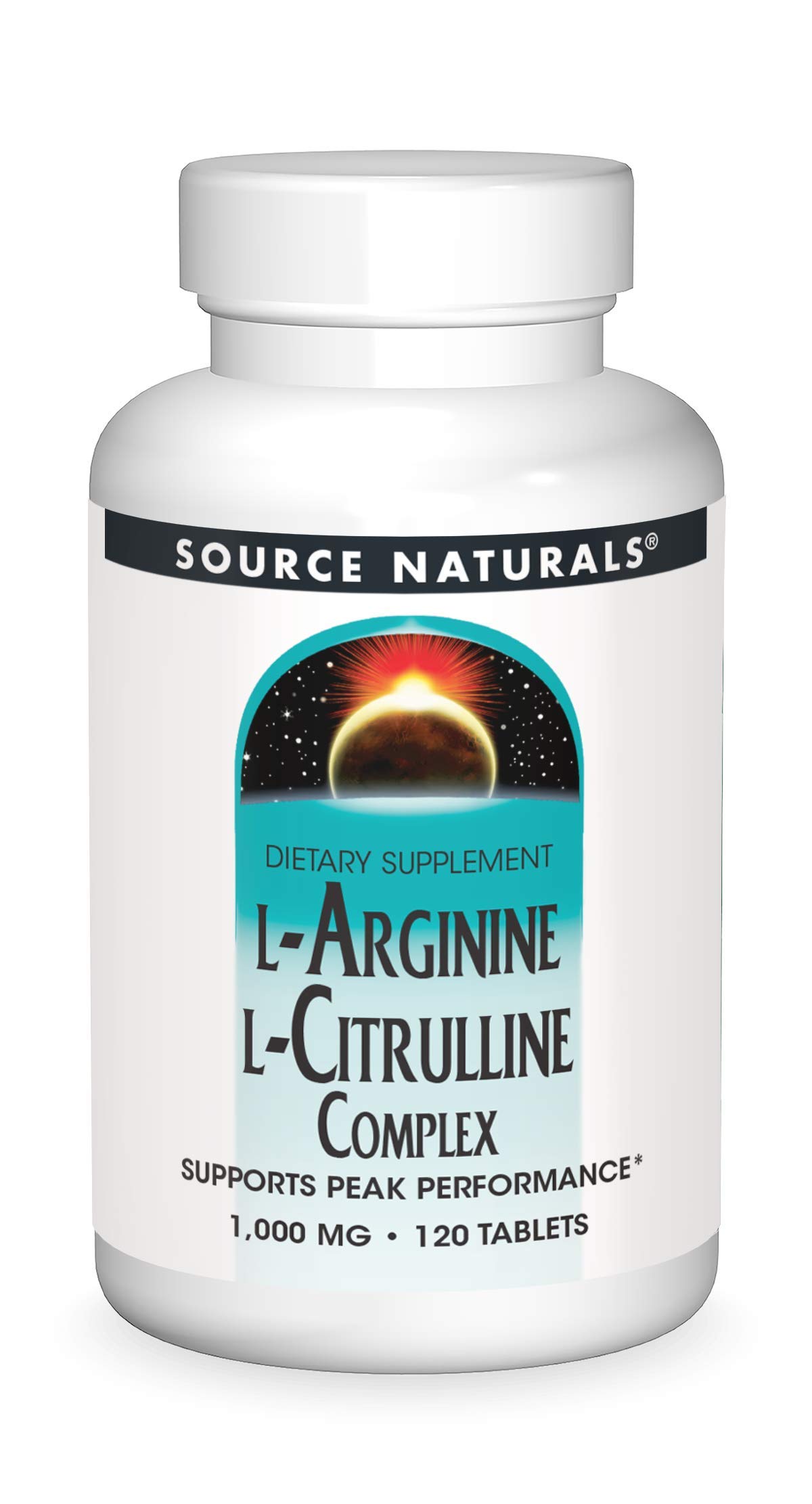
Every active here is dosed below the amount studied to work. See how each one compares in the breakdown below.
Ingredients (2)
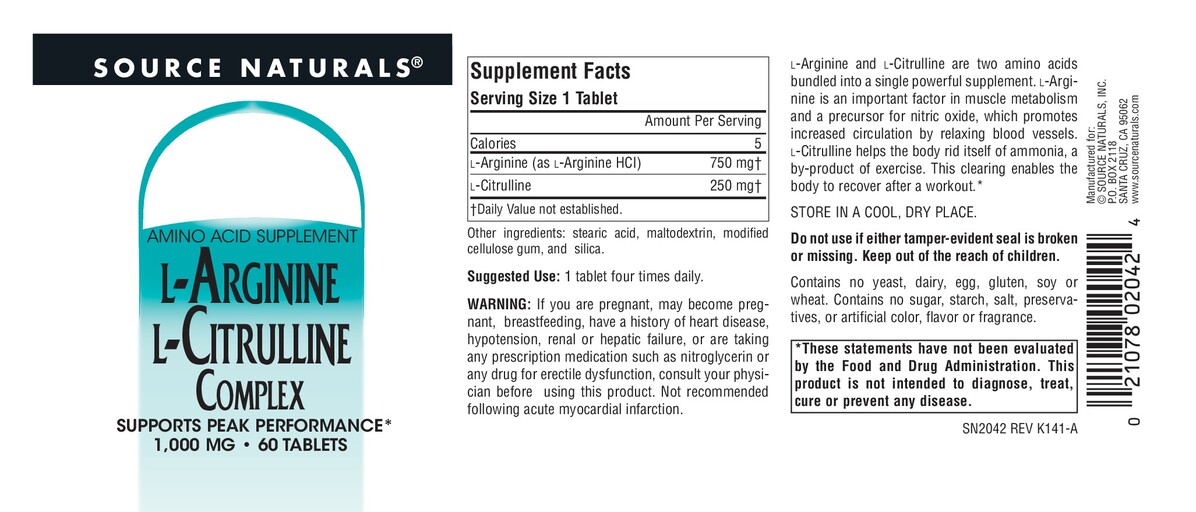
L-Arginine Hydrochloride
38%Dose
750 mg
Target
2000–6000 mg
Form
Premium
L-Citrulline
8%Dose
250 mg
Target
3000–6000 mg
Form
—
Other Ingredients (7)
Magnesium StearateLubricant
A salt of stearic acid used as a lubricant in tablet and capsule production
ShellacCoating
Natural resin secreted by the lac bug, used as a coating and glazing agent for tablets and pills
Silicon DioxideAnti-caking
Fine silica powder used to prevent clumping
Croscarmellose SodiumDisintegrant
Cross-linked cellulose derivative used as a superdisintegrant
Dicalcium PhosphateBinder
Calcium and phosphorus compound used as binder
Microcrystalline CelluloseBinder
Plant-derived cellulose used as a binder and filler in supplements
Stearic AcidLubricant
Saturated fatty acid used as tablet lubricant
How to Take It
Take it anytime
Take between meals — food blunts the rise in plasma arginine.
On an empty stomach
On the label
Suggested Use: As a dietary supplement, take one (1) tablet one to four times daily as needed, preferably with juice or water on an empty stomach, before exercise or at bedtime.
General guidance based on the ingredients, not a substitute for the label or your doctor.
Price Check
No price yet
What 64 arginine supplements cost
Track this supplement in your stack
Get personalized insights, interactions, and coverage recommendations.
Get Started FreeSimilar Supplements
Micro Ingredients
Nitric Oxide Booster 3600mg
❤️ for Heart
68
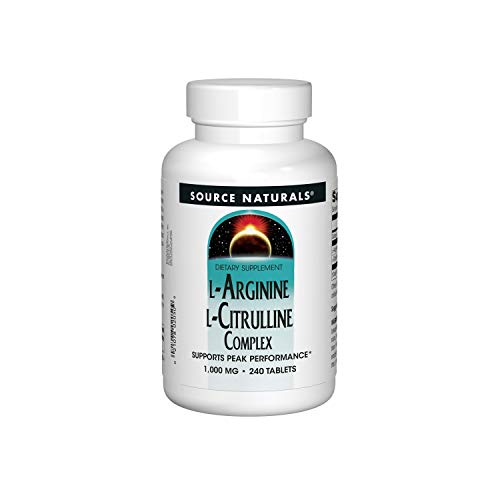
Source Naturals
L-Arginine L-Citrulline Complex
❤️ for Heart
63
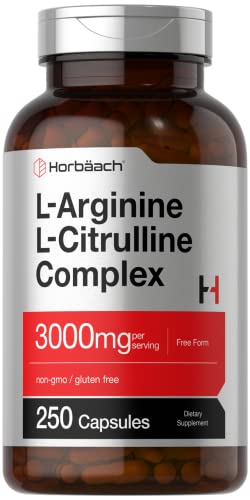
Horbäach
L-Arginine L-Citrulline Complex 3000mg
❤️ for Heart
61
Source Naturals
L-Arginine L-Citrulline Complex 1,000 mg
❤️ for Heart
57
Source Naturals
L-Arginine L-Citrulline Complex 1000 mg
❤️ for Heart
57
Sources & Scoring
Nutrient data (RDA, UL, and safety thresholds) sourced from the NIH Office of Dietary Supplements and the National Academies Dietary Reference Intakes (DRI).
This is not medical advice. Consult a healthcare provider before making changes to your supplement routine.
The score analyzes what's on the label: ingredient doses vs. studied ranges, chemical forms, evidence levels, and known interactions. It does not verify label accuracy or test for contaminants — for that, look for third-party certifications like USP or NSF.