BioStacks
Best for
Ingredients (21)
Leucine
100%Dose
2770 mg
Target
2000–5000 mg
Form
—
Lysine
100%Dose
2140 mg
Target
1000–3000 mg
Form
—
Methionine
100%Dose
460 mg
Target
200–1000 mg
Form
—
Isoleucine
100%Dose
1660 mg
Target
1500–4000 mg
Form
—
Tyrosine
100%Dose
550 mg
Target
500–2000 mg
Form
—
Nutrition
Calories, macros & sodium.
- Sodium170 mg
Other Ingredients (5)
SucraloseSweetener
Dose context matters. As a trace excipient in a tablet coating or capsule, the amount is minimal and not a meaningful concern. The evidence below applies to the gram-level intakes typical of sweetened protein powders, pre-workouts, and drink mixes: a 2022 human trial (Suez et al., Cell) showed sucralose disrupts gut bacteria and worsens blood sugar control in healthy adults, and a 2023 study (Schiffman et al.) found that sucralose-6-acetate — a compound formed when sucralose is digested — was genotoxic to human cells in vitro. It remains an artificial sweetener with no nutritional purpose.
Natural and Artificial FlavorsFlavor
The 'artificial' component means synthetic chemicals are used, but the exact compounds are proprietary and not disclosed on the label. If you have sensitivities or allergies, you cannot verify what's in it. Products using only natural flavors are more transparent.
PotassiumMineral
Essential mineral naturally present in many plant-based supplement ingredients
Sea SaltFlavor
Basic food-grade salt used for taste in supplements
Sunflower LecithinEmulsifier
Non-GMO, non-allergenic emulsifier derived from sunflower seeds
How to Take It
Best taken in the evening
Take at night. Other amino acids compete for brain uptake, so a protein-heavy meal blunts it. Take it between meals, away from food.
On an empty stomach
Keep it away from protein-heavy meals
Space it a couple of hours from SAMe
On the label
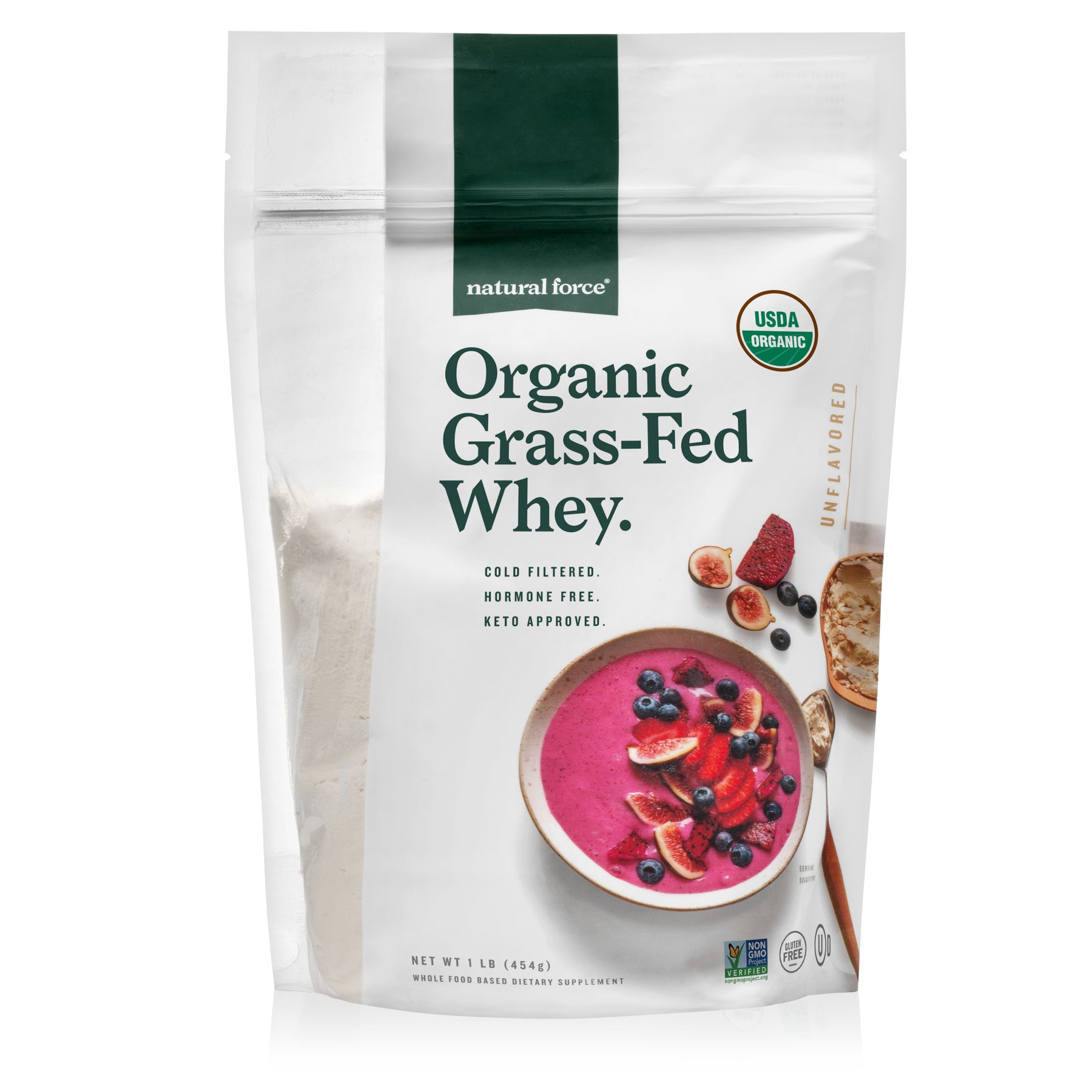
Mix one (1) scoop (30.5g) of powder with one (1) cup (8 oz) of cold water, juice, or your favorite drink. Stir or shake until smooth for a quick, satisfying protein boost.
Do not combine with St. John's Wort
Each of these raises serotonin activity on top of St. John's Wort, and together they can trigger serotonin syndrome — agitation, rapid heartbeat, raised blood pressure. Not without medical supervision.
General guidance based on the ingredients, not a substitute for the label or your doctor.
Price Check
$59.99
Pricier than 89% of 798 multivitamins
Track this supplement in your stack
Get personalized insights, interactions, and coverage recommendations.
Get Started FreeSimilar Supplements
Sources & Scoring
Nutrient data (RDA, UL, and safety thresholds) sourced from the NIH Office of Dietary Supplements and the National Academies Dietary Reference Intakes (DRI).
This is not medical advice. Consult a healthcare provider before making changes to your supplement routine.
The score analyzes what's on the label: ingredient doses vs. studied ranges, chemical forms, evidence levels, and known interactions. It does not verify label accuracy or test for contaminants — for that, look for third-party certifications like USP or NSF.